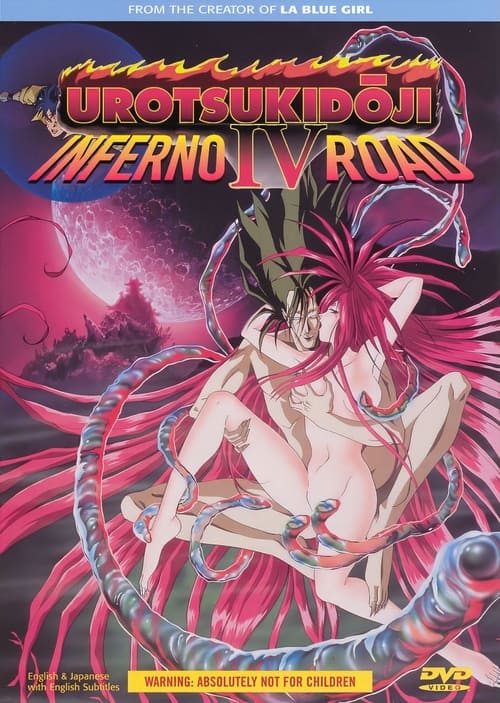
Urotsukidōji IV: Inferno Road
1993
No user ratings available yet
Representation score: 1.3 out of 10
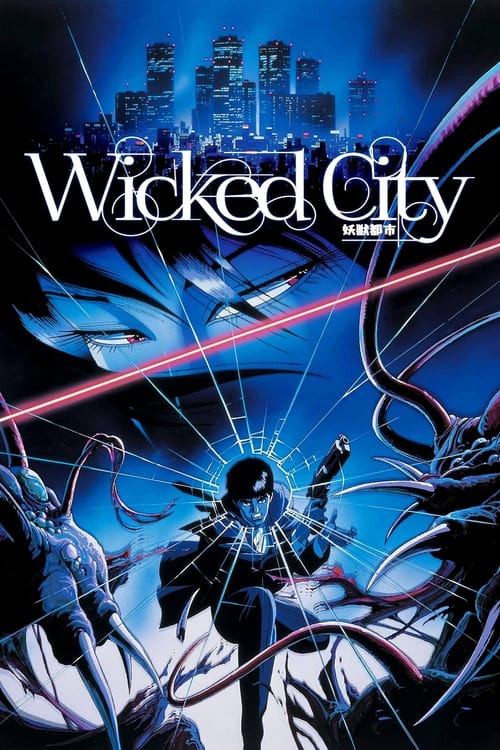
Representation Score
Good
1987
NRDirector
Yoshiaki Kawajiri
Runtime
82 minutes
Average Rating
No ratings yetNew Showbiz Analysis
Wicked City is a dark fantasy that uses supernatural elements to explore social boundaries. It succeeds in challenging traditional gender roles through Maki's competence and uses the conflict between dimensions to mirror real-world xenophobia. However, the film is limited by its era, offering little explicit LGBTQ+ representation. The use of physical transformation as a horror device also risks framing bodily difference as something inherently grotesque rather than a lived experience. Ultimately, the film's strength lies in its metaphorical depth, using the 'otherness' of demons to critique institutional stability and social exclusion.
Category Breakdown
The film focuses on the relationship between Taki and Maki but does not include explicit depictions of same-sex intimacy or non-cisgender identities. It maintains an assumption that everyone is straight or cisgender.
Maki challenges traditional female stereotypes by being a highly skilled and combat-effective agent. She operates on equal footing with her male counterpart and drives the plot through her significant role in the story.
The narrative uses the tension between Earth and the Black World as a metaphor for racial diversity. This explores themes of xenophobia and the social exclusion of those considered 'others'.
The setting critiques the stability of social structures through moral relativism. It presents a world where the distinction between human and monstrous is blurred by subjective morality.
Body horror and physical transformations serve as metaphors for physical alterity. However, these depictions often lean toward the grotesque rather than giving characters control over their conditions.
Present on Screen
Limited or Absent
Official Synopsis
A peace treaty between the Earth and the Black World, a parallel universe of demons, is coming to an end. Two cops, Taki, a human male, and Maki, a female demon, are assigned to protect a diplomat who will help secure another treaty. A radical group of demons from the Black World are out to assassinate the diplomat and prevent the treaty; only the bond that forms between the two cops can save the Earth from destruction.
1993
1988
2001
1989
1991
2000

1985
2000
No reviews yet. Be the first to share your thoughts on this movie!
Use the rating form above to leave a star rating and optional review.