
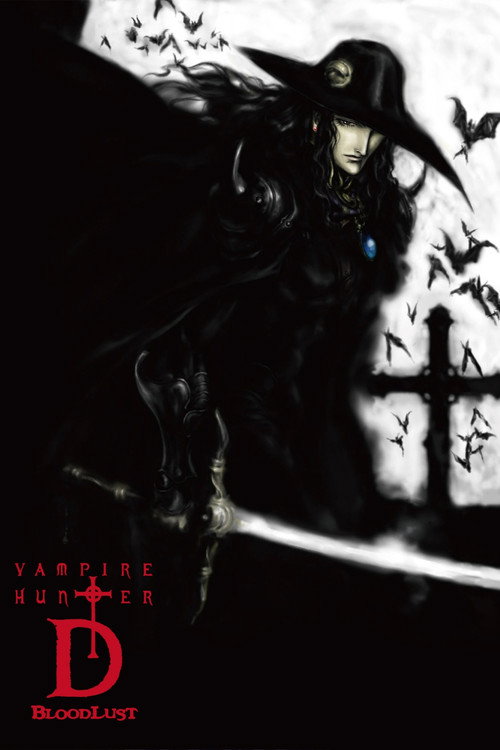
Vampire Hunter D
1985
No user ratings available yet
Representation score: 3.5 out of 10
Representation Score
Good
2001
RDirector
Yoshiaki Kawajiri
Runtime
103 minutes
Average Rating
No ratings yetNew Showbiz Analysis
Vampire Hunter D: Bloodlust uses identity as a narrative tool, especially through the protagonist's status as a social outsider. The film excels in subverting gender hierarchies and blending cultural aesthetics. However, it lacks meaningful representation for LGBTQ+ identities and specific disabilities, focusing instead on existential and class-based themes. Ultimately, the film explores the 'other' through a stylized, post-apocalyptic lens, though it misses opportunities for broader social representation.
Category Breakdown
The film does not include any explicit LGBTQ+ characters or same-sex relationships. The storyline focuses solely on the conflict between the dhampir protagonist and the vampire nobility.
Female characters play important roles and demonstrate intelligence, moving beyond passive roles. They actively participate in political maneuvering and plot progression, showing strong ability to act.
The film blends Western Gothic elements with Eastern aesthetics, creating a unique cultural fusion. The protagonist's dhampir status symbolizes the 'othering' of individuals caught between social binaries.
The story critiques the aristocratic power structure by depicting the Nobility as parasitic. It deconstructs traditional authority within a morally relative, post-apocalyptic world.
The film does not specifically address physical or neurodivergent disabilities. The dhampir's biological 'otherness' serves as a metaphor for social exclusion rather than disability.
Present on Screen
Limited or Absent
Official Synopsis
Legendary dhampir D competes with a motley family of bounty hunters to track down Charlotte Elbourne, a young woman seemingly abducted by undead nobleman Meier Link.
1985
2000
1987
2007

1993

1973
2009
2005
No reviews yet. Be the first to share your thoughts on this movie!
Use the rating form above to leave a star rating and optional review.