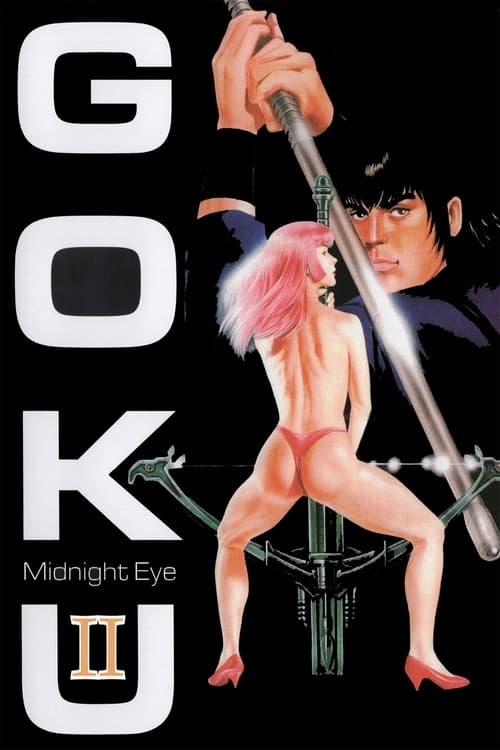
Goku II: Midnight Eye
1989
No user ratings available yet
Representation score: 6.0 out of 10

Representation Score
Good
1989
TV-MADirector
Yoshiaki Kawajiri
Runtime
50 minutes
Average Rating
No ratings yetNew Showbiz Analysis
Goku: Midnight Eye is a gritty, cyberpunk-inspired exploration of a volatile Tokyo. The film prioritizes atmospheric tension and the deconstruction of traditional heroic archetypes over explicit demographic diversity. The narrative focuses heavily on a singular male protagonist operating outside of law enforcement, which leaves other identities, such as gender and LGBTQ+ representation, largely unexamined. Ultimately, the film's strength lies in its systemic critique. It examines the instability of institutions and the ethics of an individual navigating a high-stakes, decaying urban landscape.
Category Breakdown
The film does not explicitly depict non-traditional gender identities or same-sex relationships. Urban alienation themes are explored, but there are no overt LGBTQ+ representations.
The story revolves around a male protagonist with unique abilities. Complex female archetypes are typical in noir settings, but the film does not delve into women's ability to drive the story.
Set in a futuristic Tokyo, the cast appears predominantly Japanese. The globalized financial backdrop suggests diverse actors, but there is no confirmed racial blending.
The narrative critiques traditional institutions and state stability. It focuses on a precarious urban existence that challenges established capitalist structures and institutional reliability.
The protagonist's super-powered nature may symbolize physical or sensory enhancement. This suggests a departure from conventional physical archetypes.
Present on Screen
Limited or Absent
Official Synopsis
Tokyo, 2014: a city balancing on the razor's edge between financial prosperity and seismic destruction. It is a place where the lights are bright, the stakes are high, and where the threat of imminent destruction breeds crime like a disease. But for Gokuu Furinji, ex-cop and super-powered private detective, crime is money...
1989
1998
1989

2007

2007

2000
2013
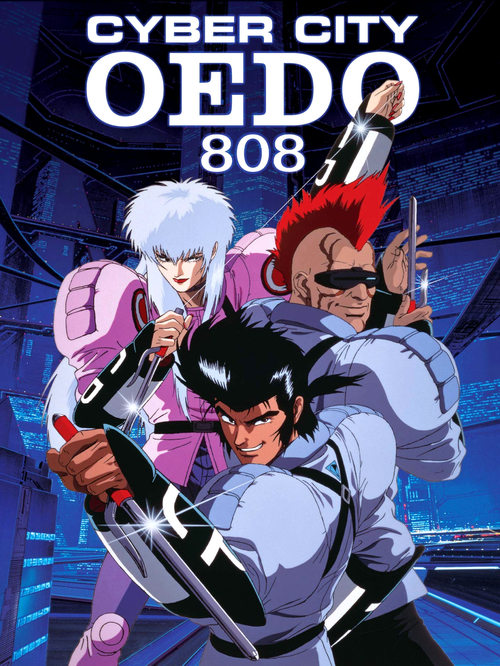
1990
No reviews yet. Be the first to share your thoughts on this movie!
Use the rating form above to leave a star rating and optional review.