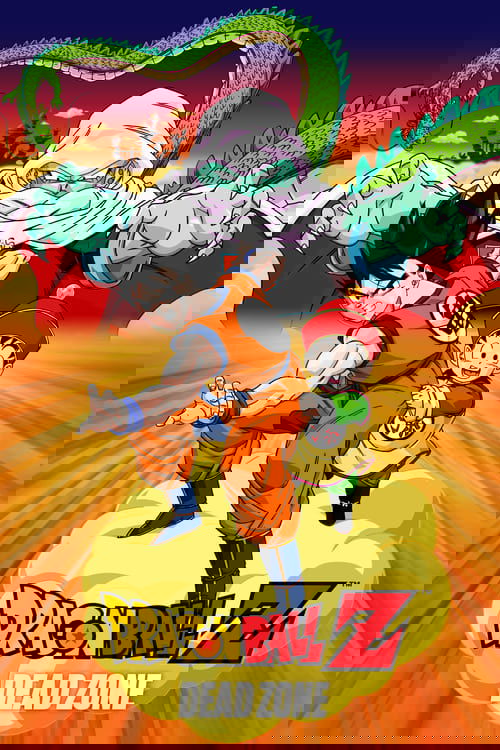
Dragon Ball Z: Dead Zone
1989
No user ratings available yet
Representation score: 2.5 out of 10
Representation Score
Limited
1987
TDirector
Daisuke Nishio
Runtime
45 minutes
Average Rating
No ratings yetNew Showbiz Analysis
This animated feature operates as a traditional high-fantasy adventure that prioritizes established heroic archetypes. The narrative structure relies on a quest-driven framework where male protagonists drive the plot through combat and physical prowess. The film adheres to conservative storytelling clichés, particularly regarding gender roles. Female characters remain passive figures to be rescued, while the moral landscape remains uncomplicated and focused on the triumph of good over evil. Ultimately, the work functions as a successful genre piece but lacks the intentionality to challenge social or cultural norms. It reinforces existing hierarchies rather than deconstructing them.
Category Breakdown
The film does not include any LGBTQ+ characters or explore non-straight relationships. The interpersonal dynamics center around traditional friendships and the classic hero-and-damsel cliché.
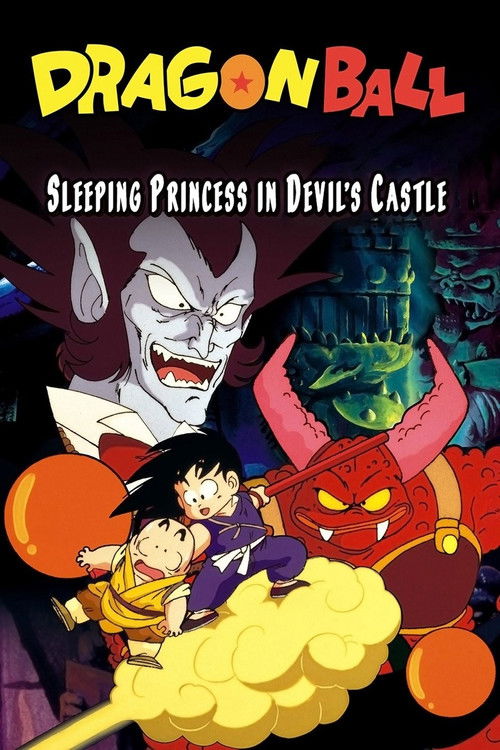
Male protagonists Goku and Kuririn dominate the story, driving the plot through combat and physical prowess. Princess Panzu is a passive figure, reinforcing the 'damsel in distress' motif.
The species-based clichés in this anthropomorphic world take precedence over traditional racial diversity. The cast uses standard fantasy archetypes without nuanced metaphors for underrepresented identities.
The story follows a simple good-versus-evil moral structure. It avoids complex moral relativism, focusing instead on individual heroism and restoring order.
There is no meaningful depiction of physical or neurodivergent disabilities. Characters are defined by the peak physical capability required for martial arts combat.
Present on Screen
Limited or Absent
Official Synopsis
Goku and Kuririn are given an assignment by Kame-Sen'nin: "Retrieve the sleeping princess from Lucifer and I will take you as my students." But the mission proves to be more perilous than originally thought.
1989
1988
1986
1990

1992
1992
1990
1991
No reviews yet. Be the first to share your thoughts on this movie!
Use the rating form above to leave a star rating and optional review.