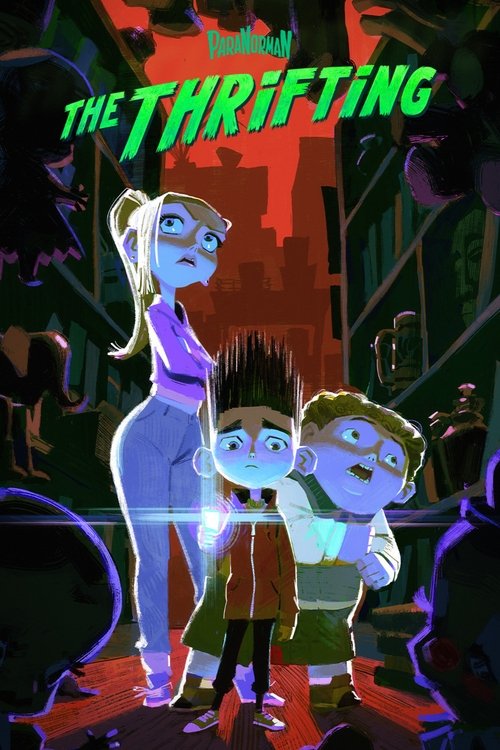
ParaNorman: The Thrifting
2025
No user ratings available yet
Diversity score: 5.8 out of 10

1986
Director
Takeshi Shirato
Runtime
40 minutes
Average Rating
No ratings yetSynopsis
The second movie based on the 1985 TV anime.
Overall Score
Limited
Category Breakdown
LGBTQ+ Representation
The film lacks explicit depictions of non-cisnormative identities or same-sex intimacy. Character dynamics focus on the conflict between humans and supernatural entities within heteronormative structures.
Gender Representation
Narrative agency is concentrated heavily in the male protagonist, Kitaro. While female characters exist, they occupy traditional archetypes without subverting established gender hierarchies.
Racial & Ethnic Diversity
The setting is culturally homogeneous and Japanese. While yokai represent a form of 'otherness,' they function as folkloric creatures rather than proxies for racial or ethnic diversity.
Religious & Cultural Diversity
The story prioritizes Japanese folklore and animistic mythology over organized religion. It functions as a standard adventure narrative without critiquing Western institutions or traditional family structures.
Disability Representation
Characters possess physical anomalies due to their supernatural biology, but these are treated as species traits. There is no nuanced exploration of disability or neurodivergence.
Strengths
Areas for Improvement
AI Analysis
Spooky Kitaro: The Great Yokai War is a traditional fantasy production that adheres to the social and narrative conventions of 1980s Shonen animation. The film prioritizes mythic conflict and the preservation of folkloric balance over the disruption of social hierarchies. The narrative architecture relies on established tropes, resulting in a stable, traditional cultural framework. It focuses on the friction between the mundane and the supernatural rather than engaging with intersectional identity politics or systemic social critique.
No reviews yet. Be the first to share your thoughts on this movie!
Use the rating form above to leave a star rating and optional review.