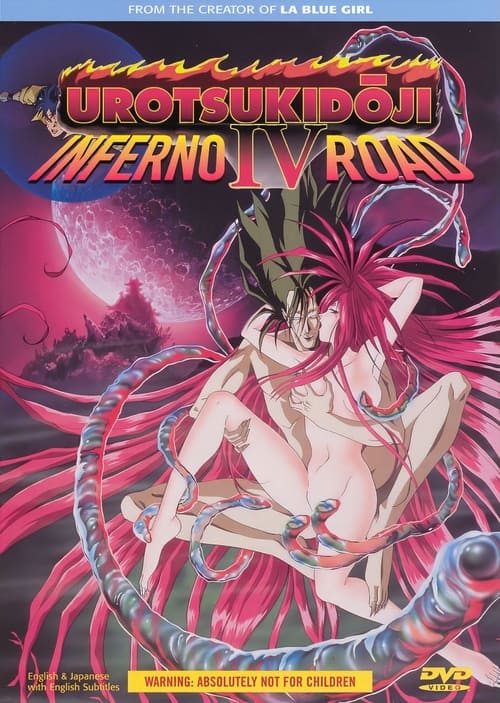
Urotsukidōji IV: Inferno Road
1993
No user ratings available yet
Representation score: 1.3 out of 10
Representation Score
Limited
1991
UnratedDirector
Hideki Takayama
Runtime
98 minutes
Average Rating
No ratings yetNew Showbiz Analysis
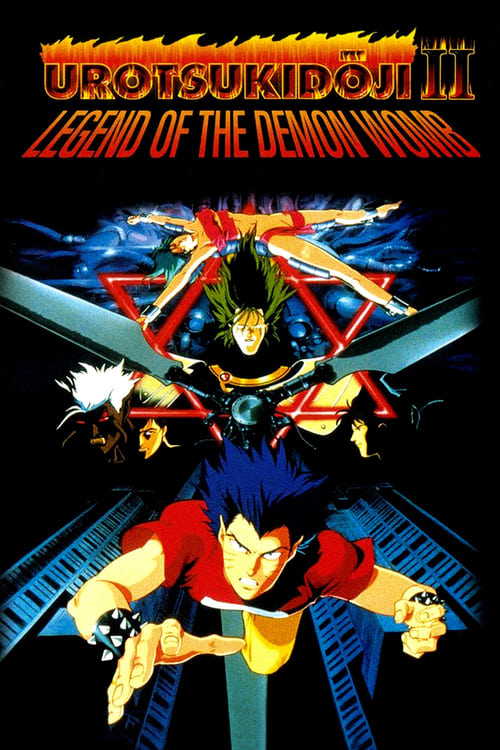
Urotsukidōji II: Legend of the Demon Womb is a transgressive work of cosmic horror that emphasizes biological and psychological extremity over identity-focused storytelling. Its disruption of social norms is a consequence of its chaotic narrative rather than an intentional effort towards inclusive representation. The film employs mutation and gender deconstruction as tools for horror, which reduces the characters' ability to influence the story. The narrative structure revolves around the destruction of the human condition, leaving little room for nuanced portrayals of diverse lived experiences.
Category Breakdown
The film does not include any non-straight relationships or queer-coded character arcs. The narrative centers on supernatural interactions between humans and demons.
Gender is portrayed as a fluid concept tied to biological horror and transformation, rather than stable roles. Female characters frequently become vessels for supernatural events through extreme sexualization.
The film adheres to a homogeneous aesthetic typical of 1990s dark fantasy. There is no intentional blending of racial or ethnic backgrounds.
The story depicts the collapse of traditional social structures and morality. It presents a world where cosmic horror undermines social constructs and moral absolutes.
Physical mutations are used as elements of body horror rather than lived disabilities. These transformations serve as plot devices to increase fear and discomfort.
Present on Screen
Limited or Absent
Official Synopsis
In this sequel to Urotsukidoji: Legend of the Overfiend, the unbelievable violence of the Overfiend and his cohorts from Hell continues to wreak havoc on the earth. Who can stop this relentless onslaught?
1993
1987
2000
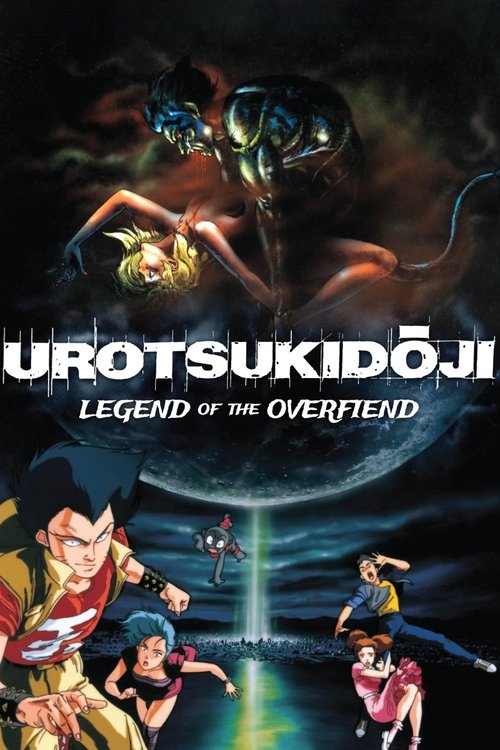
1989
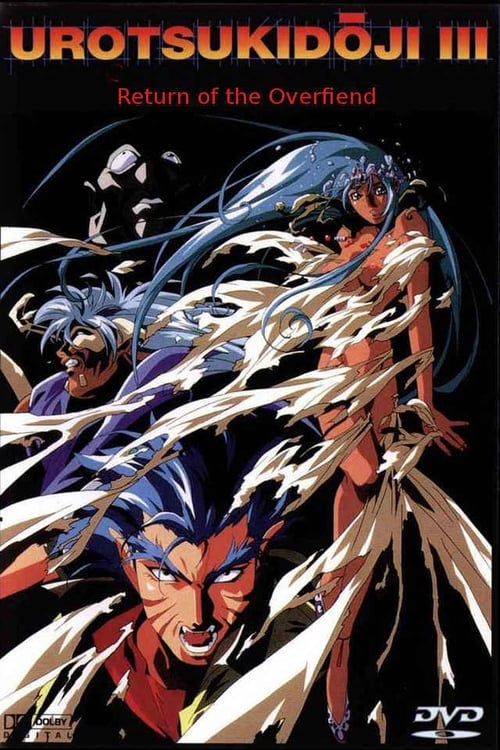
1993

1985
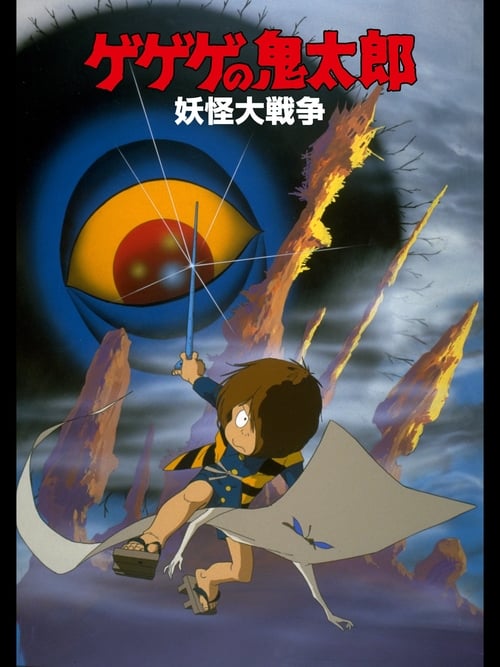
1986
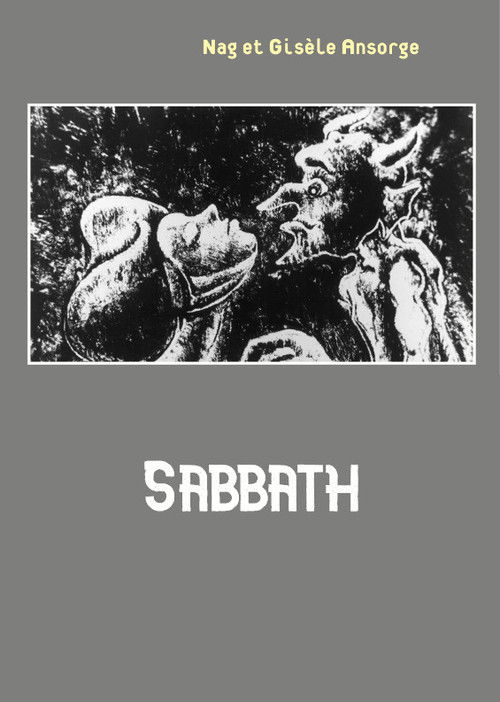
1991
No reviews yet. Be the first to share your thoughts on this movie!
Use the rating form above to leave a star rating and optional review.