
Urotsukidōji IV: Inferno Road
1993
No user ratings available yet
Representation score: 1.3 out of 10
Representation Score
Good
2000
TV-MADirector
Kenichi Takeshita
Runtime
45 minutes
Average Rating
No ratings yetNew Showbiz Analysis
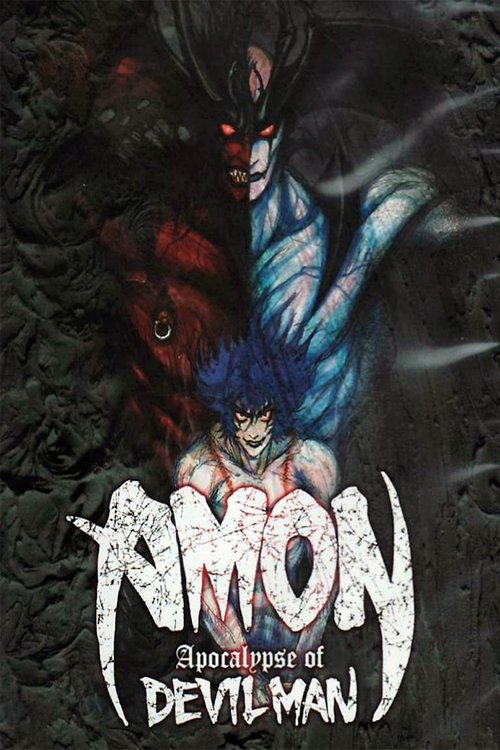
Devilman Apocalypse is a visceral exploration of identity and societal decay. It excels at deconstructing social order and examining the fragility of human institutions through psychological horror. However, the film's focus on a single male protagonist and a homogeneous setting limits its demographic representation. Ultimately, it prioritizes thematic complexity over broad social diversity.
Category Breakdown
The film focuses on Akira's internal conflict and his struggle with the Amon persona, but it lacks explicit LGBTQ representation.
The story centers on the psychological collapse of a male protagonist, challenging the traditional portrayal of masculine strength by showing instability as a source of chaos.
Set in Tokyo, the film features a predominantly Japanese cast. It uses the depiction of demons to comment on xenophobia and social paranoia.
The film critiques the collapse of social institutions and the rapid breakdown of urban order, depicting a descent into tribalism.
Akira's psychological breakdown provides a profound look at mental health and neurodivergence, serving as a central, transformative experience rather than a mere plot device.
Present on Screen
Limited or Absent
Official Synopsis
Fear runs rampant throughout Tokyo with the revelation that demons in fact exist amongst us. Paranoia and the darker side of humanity boils onto the streets as people turn on one another, suspecting that anyone could in fact be a demon hiding in human clothing. Amidst the growing tensions, tragedy strikes Akira causing his mind to snap, retreating into his subconscious, allowing his Devilish alter-ego Amon to break free from Akira's cage of flesh and wreak havoc on both human and demons alike.
1993
1987
1991
1989

1987

2006

2004

2000
No reviews yet. Be the first to share your thoughts on this movie!
Use the rating form above to leave a star rating and optional review.