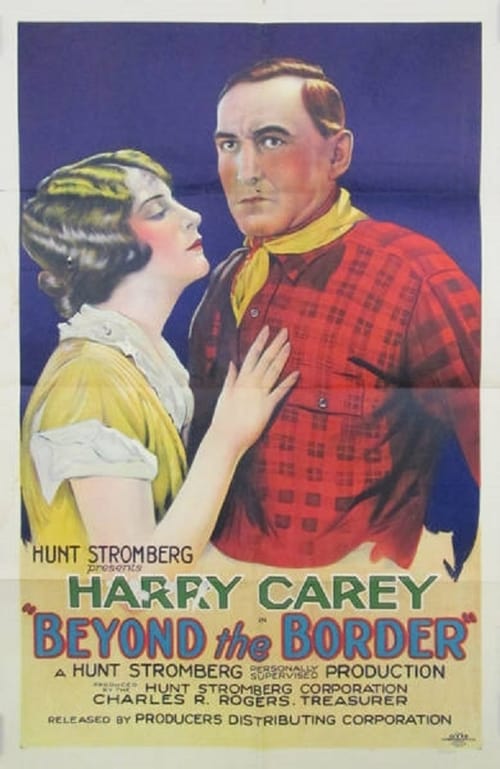
Beyond the Border
1925
No user ratings available yet
Representation score: 2.5 out of 10
Representation Score
Minimal
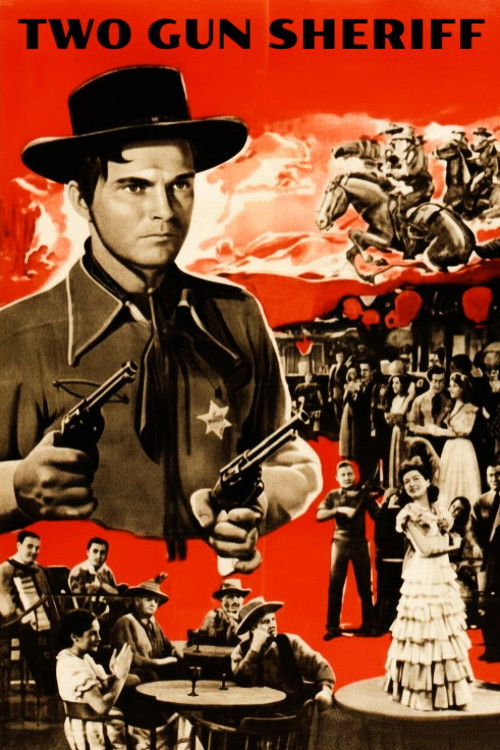
1941
ApprovedDirector
George Sherman
Runtime
56 minutes
Average Rating
No ratings yetNew Showbiz Analysis
Two Gun Sheriff is a typical B-Western that emphasizes genre conventions over social complexity. The plot revolves around masculine ability to act and traditional moral binaries, reinforcing the social hierarchies of 1941. The film presents a world defined by heterosexual relationships and a homogeneous social landscape, avoiding any subversion of traditional norms. Overall, the production adheres to the cinematic standards of the time, offering a narrow perspective of the American frontier.
Category Breakdown
The film assumes everyone is straight and focuses on heterosexual relationships, with no depiction of same-sex intimacy.
The story is dominated by a strict patriarchal structure where female characters mainly serve as romantic interests or plot devices.
The cast is predominantly white, lacking characters of color with significant roles or presence.
The story upholds traditional Western institutions like marriage and legal authority, reinforcing a binary between lawful society and criminals without questioning its social implications.
There are no discernible depictions of visible or invisible disabilities within the film's narrative.
Present on Screen
Limited or Absent
Official Synopsis
A notorious outlaw is recruited by a cattle buyer, secret boss of a gang of cattle rustlers, to impersonate the town sheriff, who is the outlaw's twin brother; and complications ensue, as the sheriff, now a hostage, is on the eve of his marriage while the outlaw's cantina-dancer girlfriend has followed him to town and is at risk of exposing him.
1925
1960
1937
1938

1940
1942
1934
1953
No reviews yet. Be the first to share your thoughts on this movie!
Use the rating form above to leave a star rating and optional review.