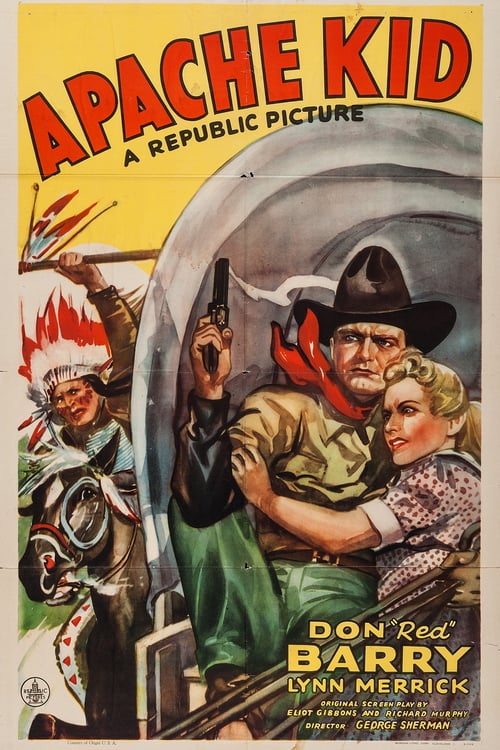
The Apache Kid
1941
No user ratings available yet
Representation score: 0.5 out of 10
Representation Score
Minimal
1940
ApprovedDirector
George Sherman
Runtime
57 minutes
Average Rating
No ratings yetNew Showbiz Analysis
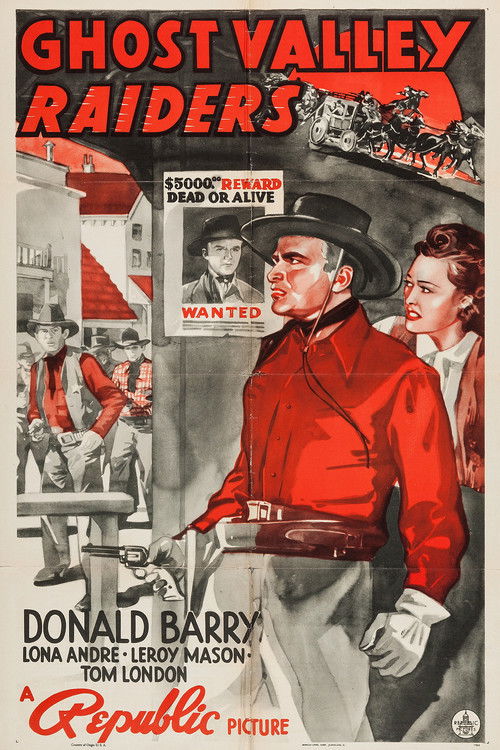
Ghost Valley Raiders is a conventional Republic Pictures Western that operates strictly within the genre clichés of 1940. The film prioritizes clear moral binaries and traditional heroism, focusing on a federal marshal's undercover mission to stop a robbery gang. The narrative lacks intentionality regarding social diversity, instead reinforcing the era's standard demographic and cultural constraints. It relies on established archetypes of masculine leadership and institutional law and order. Because the film adheres to the studio system's formulas of the period, it does not attempt to disrupt or subvert existing social hierarchies.
Category Breakdown
The film follows traditional 1940s romantic structures that assume everyone is straight or cisgender. There are no LGBTQ+ characters or stories that challenge social norms.
The male protagonist, a federal marshal, drives the narrative. The film reinforces traditional masculine leadership roles rather than challenging gender hierarchies.
The production focuses on Anglo-centric perspectives typical of the Western genre during this era. It features a homogeneous white cast consistent with 1940s cinematic norms.
The story promotes traditional Western values, such as patriotism and respect for the law. It portrays law enforcement positively against criminal outlaws.
There is no mention of characters with visible or invisible disabilities. No information is available regarding the portrayal of neurodivergence or physical impairments.
Present on Screen
Limited or Absent
Official Synopsis
Donald Barry, not yet Donald "Red" Barry, heads the cast of the Republic western Ghost Valley Raiders. A federal marshal, Barry is assigned to put an end to the activities of a stagecoach-robbery gang. That's why he spends most of the film pretending to be an outlaw himself. Stunt specialist Yakima Canutt plays a secondary villain, and also doubles for Barry in the dicier action scenes.
1941
1941

1940
1941
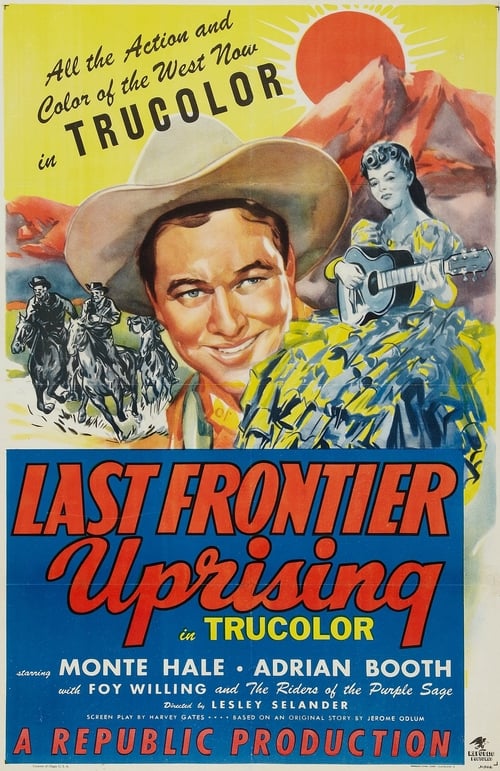
1947
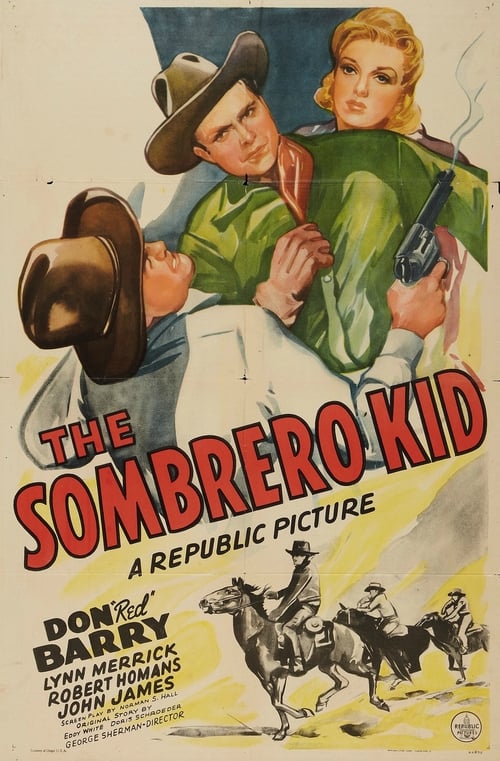
1942
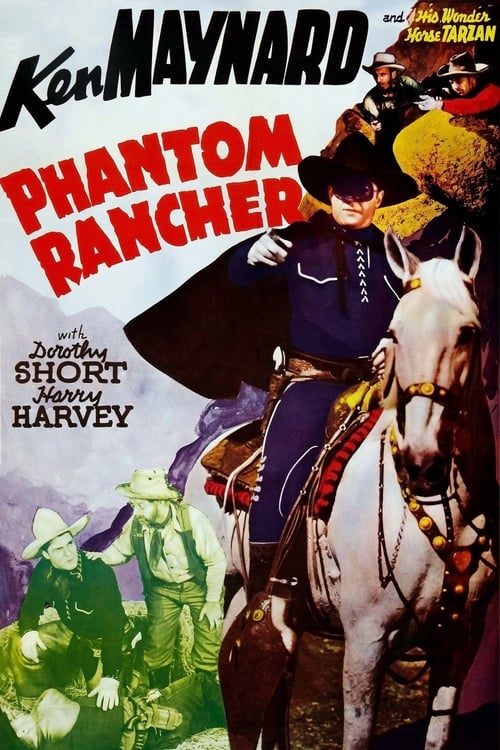
1940
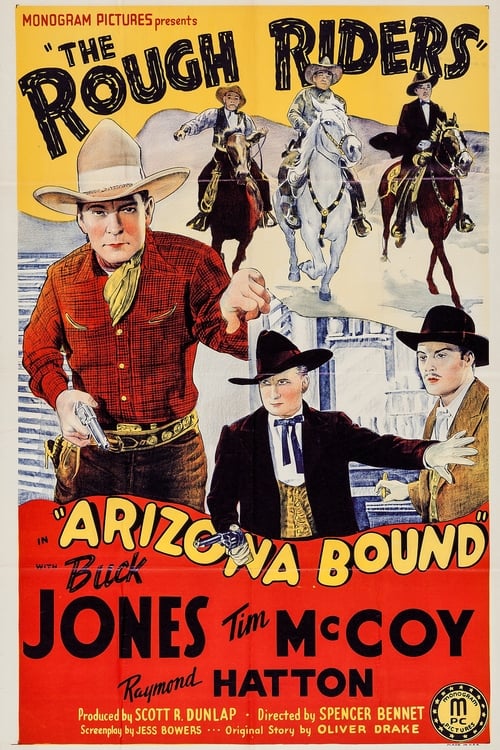
1941
No reviews yet. Be the first to share your thoughts on this movie!
Use the rating form above to leave a star rating and optional review.