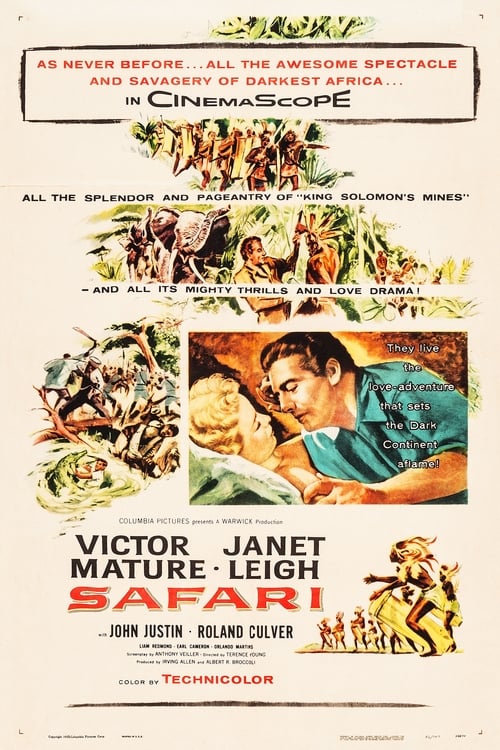
Safari
1956
No user ratings available yet
Representation score: 0.6 out of 10
Representation Score
Minimal
1967
NRDirector
Henry Hathaway
Runtime
110 minutes
Average Rating
No ratings yetNew Showbiz Analysis
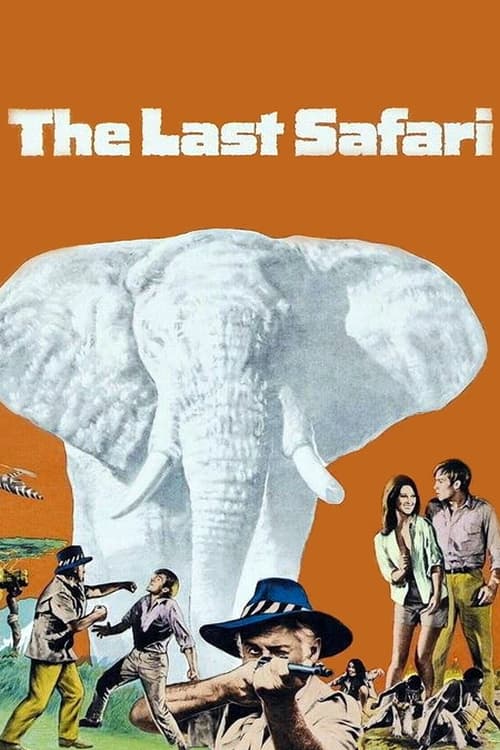
The Last Safari is a traditional adventure film that reflects mid-century social norms. Its narrative structure emphasizes Western dominance and traditional masculine leadership. While the African setting requires local characters, the film maintains a colonial-era perspective and relies on established genre conventions without challenging social hierarchies. Compared to modern works, the film offers limited opportunities for representing diverse identities or deconstructing systemic structures.
Category Breakdown
The film adheres to a strictly heterosexual and cisgender framework, with no representation of LGBTQ+ identities or same-sex relationships.
Male characters take center stage through activities like big-game hunting. Female characters are few and play minor roles without influencing the main storyline.
The film focuses on a predominantly white cast. African characters mainly serve as guides or villagers within a colonial-era setting.
The narrative follows conventional 1960s Western adventure themes, emphasizing a man-versus-nature conflict without challenging Western cultural norms.
There is no significant depiction of visible or invisible disabilities that affect the narrative or character development.
Present on Screen
Limited or Absent
Official Synopsis
A hunter stalks a killer elephant.
1956
1965
1963

1957
1955

1954
1955

1971
No reviews yet. Be the first to share your thoughts on this movie!
Use the rating form above to leave a star rating and optional review.