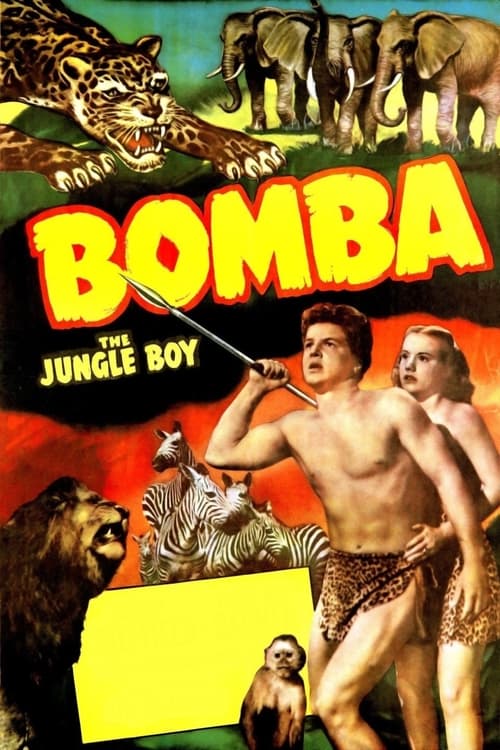
Bomba, the Jungle Boy
1949
No user ratings available yet
Diversity score: 1.3 out of 10
No Poster Available
1953
PASSEDDirector
Paul Landres
Runtime
79 minutes
Average Rating
No ratings yetSynopsis
Ramar of the Jungle encounters a holy man who warns him of great danger. His friend Professor Howard is near death, cursed by the Mark of Shitan. A sacred golden tablet and a woman ready for sacrifice holds the key to Howard's survival. A feature film made from three episodes "Ramar of the Jungle" television series stitched together.
Overall Score
Minimal
Category Breakdown
LGBTQ+ Representation
The film lacks any discernible presence of queer identities or subtext. It operates strictly within a traditional mid-century framework of heteronormative interactions.
Gender Representation
Narrative agency is concentrated heavily within male protagonists like Ramar and Professor Howard. Female characters serve primarily as secondary figures or plot catalysts rather than autonomous drivers of the story.
Racial & Ethnic Diversity
The story utilizes an explorer trope where white protagonists navigate an indigenous landscape. Local populations are depicted through a lens of otherness, serving as a backdrop for Western characters.
Religious & Cultural Diversity
The film adheres to Western storytelling archetypes and moralistic adventure structures. It focuses on the preservation of Western scientific knowledge rather than deconstructing traditional institutions.
Disability Representation
Professor Howard's life-threatening curse serves as a high-stakes plot device rather than a nuanced exploration of disability. Characters with physical crises lack agency or depth beyond the immediate danger.
Strengths
Areas for Improvement
AI Analysis
Eyes of the Jungle is a quintessential mid-century adventure serial that prioritizes traditional Western hero tropes. The narrative structure reinforces the status quo by centering white protagonists and relegating indigenous populations to the background. The film lacks intentionality regarding social diversity, instead adhering to the genre conventions of the 1950s. It maintains a clear distinction between the exploring heroes and the environment they navigate. Ultimately, the work functions as a standard episodic adventure that upholds colonialist perspectives and traditional gender hierarchies without attempting to disrupt them.
1949
1949
1954
1932
1948
1920
1935
1958
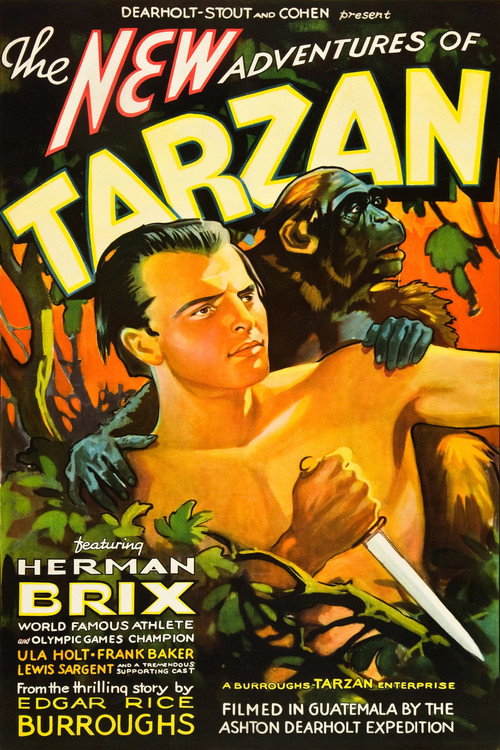
1935
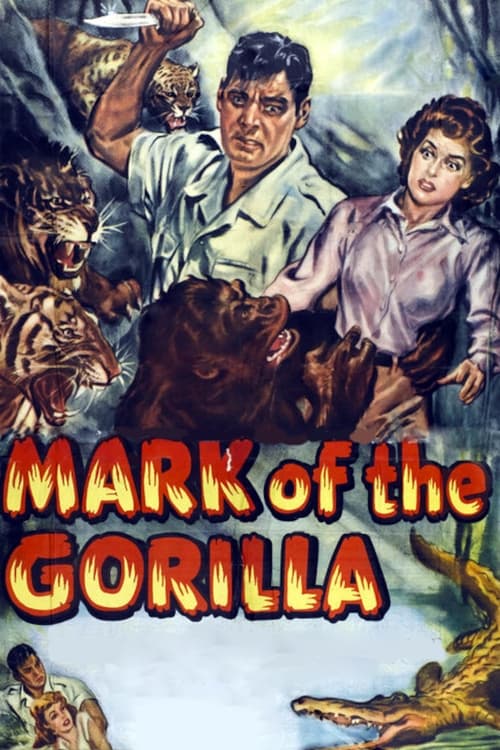
1950
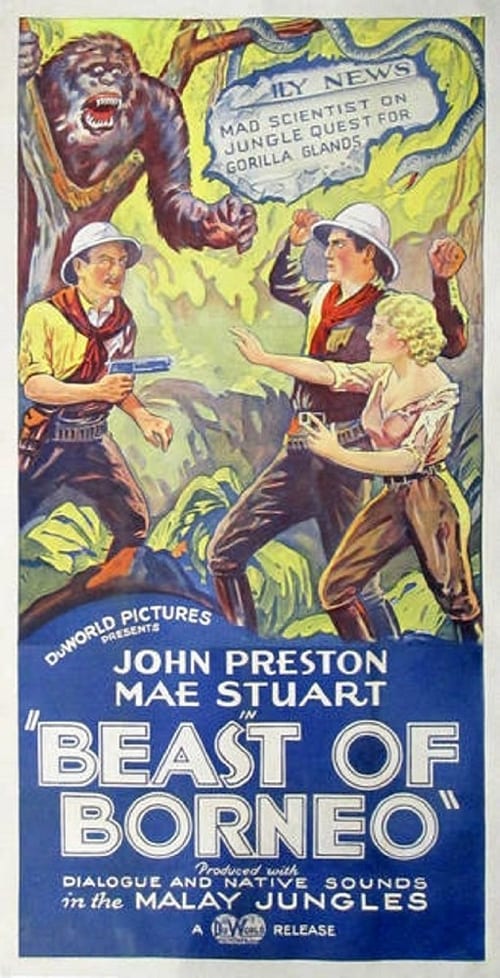
1934
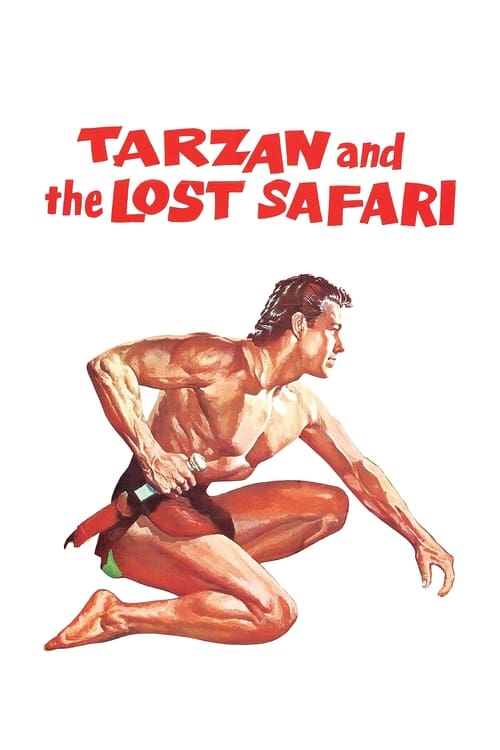
1957
No reviews yet. Be the first to share your thoughts on this movie!
Use the rating form above to leave a star rating and optional review.