
Savage Drums
1951
No user ratings available yet
Diversity score: 2.3 out of 10

1955
NRDirector
Frank Ferrin
Runtime
77 minutes
Average Rating
No ratings yetSynopsis
A fire worshipping cult of Indian is disbanded by a man, his elephant and tiger.
Overall Score
Limited
Category Breakdown
LGBTQ+ Representation
The film lacks any evidence of LGBTQ+ characters or narratives. The story focuses exclusively on a male protagonist and his conflict with a religious group.
Gender Representation
The narrative centers on a male protagonist and his dominance over nature. This structure prioritizes masculine agency and adheres to conventional mid-century gender roles.
Racial & Ethnic Diversity
While set in India, the plot follows a trope where a singular hero imposes order on a local collective. This suggests a traditional hierarchy rather than nuanced representation.
Religious & Cultural Diversity
The premise of disbanding a religious cult may frame non-Western spiritual practices as obstacles to be overcome. It reinforces traditional heroic morality over cultural relativism.
Disability Representation
There is no information regarding the inclusion or portrayal of characters with physical or neurodivergent disabilities.
Strengths
Areas for Improvement
AI Analysis
Sabaka is a mid-century adventure film that relies heavily on traditional heroic tropes. The narrative structure emphasizes a singular male protagonist's agency, which limits the scope of gender and identity representation. The film's setting in India provides a non-Western backdrop, but the power dynamics suggest a colonial-era perspective. The protagonist's role in dismantling a local cult implies a hierarchy where outsider intervention is the primary driver of order. Overall, the film reflects the era's standard conventions, prioritizing masculine dominance and a simplified view of foreign cultural and religious structures.
1951

1952
1958
1953
1967
1957
1950
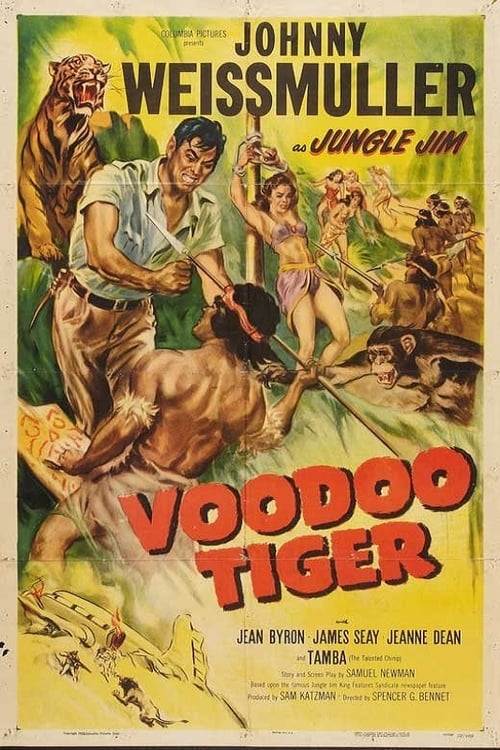
1952
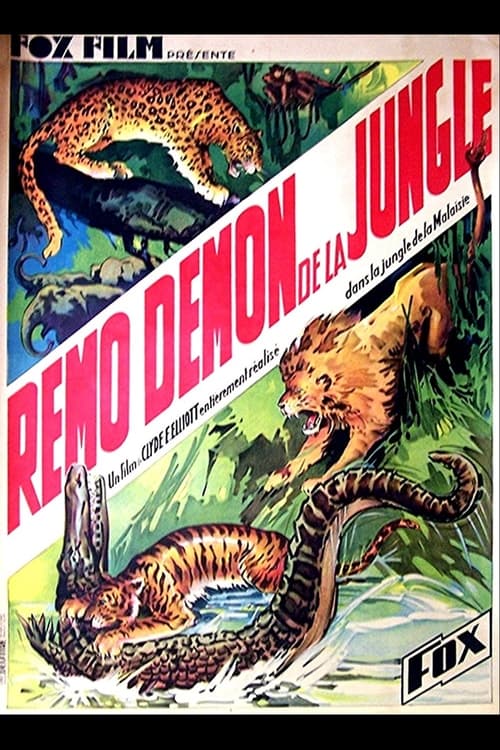
1934
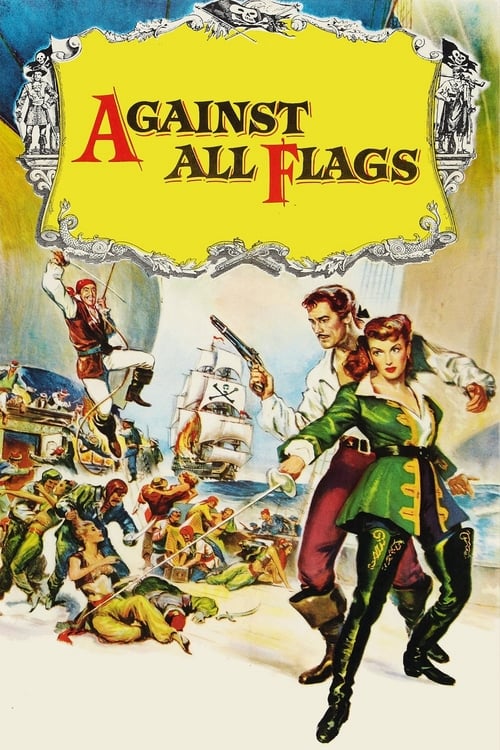
1952
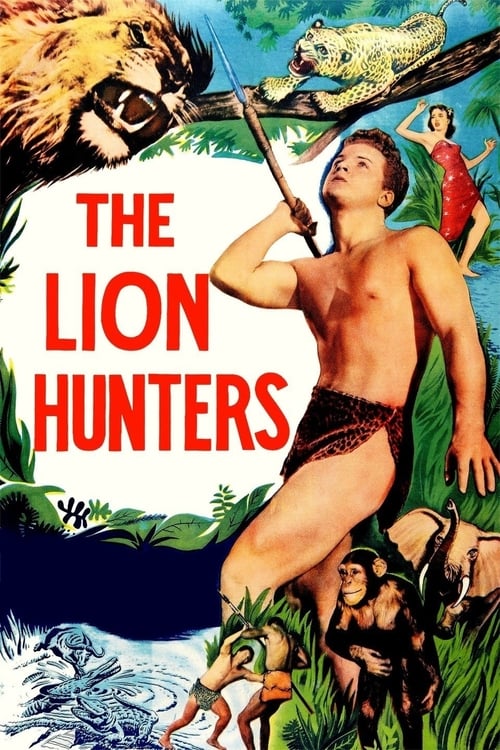
1951
1959
No reviews yet. Be the first to share your thoughts on this movie!
Use the rating form above to leave a star rating and optional review.