
Sex Is Beautiful
1973
No user ratings available yet
Representation score: 3.5 out of 10
Representation Score
Limited
1970
RDirector
Donald A. Davis
Runtime
66 minutes
Average Rating
No ratings yetNew Showbiz Analysis
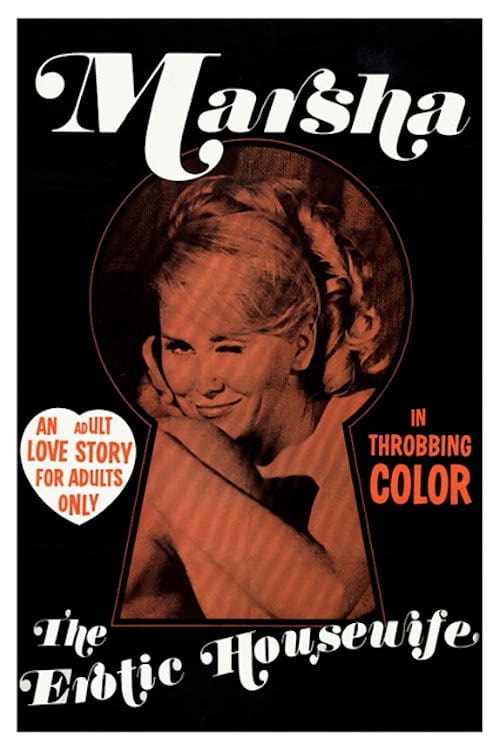
Marsha: The Erotic Housewife operates primarily within the conventions of 1970s exploitation drama. While it lacks depth in terms of diverse representation, it offers a notable shift in the female protagonist's role. The main character moves from a passive domestic role to an active seeker of autonomy after discovering her husband's infidelity. However, the film remains tied to traditional frameworks. It lacks racial diversity and provides no representation for LGBTQ+ identities or individuals with disabilities. The narrative's exploration of family instability is rooted in genre-specific infidelity clichés rather than a broader social critique. Ultimately, the film's impact is limited by its demographic homogeneity and its adherence to conventional sexual archetypes.
Category Breakdown
The film focuses on heterosexual relationships and does not include any same-sex intimacy or non-cisgender identities.
The movie challenges traditional gender roles by giving the female protagonist significant control over her actions and decisions, allowing her to take an active role in driving the story forward.
The film lacks evidence of racial or ethnic diversity and follows the homogeneous casting practices typical of 1970s domestic dramas.
The story questions the stability of traditional family structures by depicting the marital bond as fragile, driven by genre clichés rather than a broader social critique.
There are no characters with visible or invisible disabilities featured in the narrative or cast.
Present on Screen
Limited or Absent
Official Synopsis
A beautiful housewife discovers that her husband is having an affair, so while he's away on business she decides to embark on some erotic sexcapades of her own.
1973

1964
1970

1967
1971
1972

1972
1985
No reviews yet. Be the first to share your thoughts on this movie!
Use the rating form above to leave a star rating and optional review.