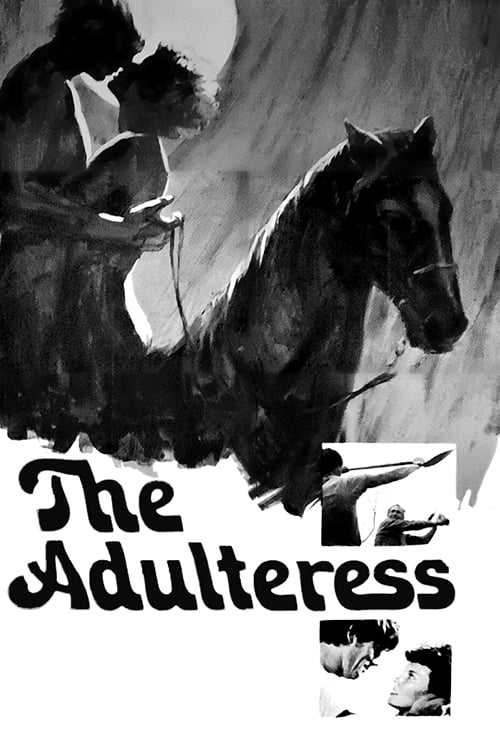
The Adulteress
1973
No user ratings available yet
No diversity score available
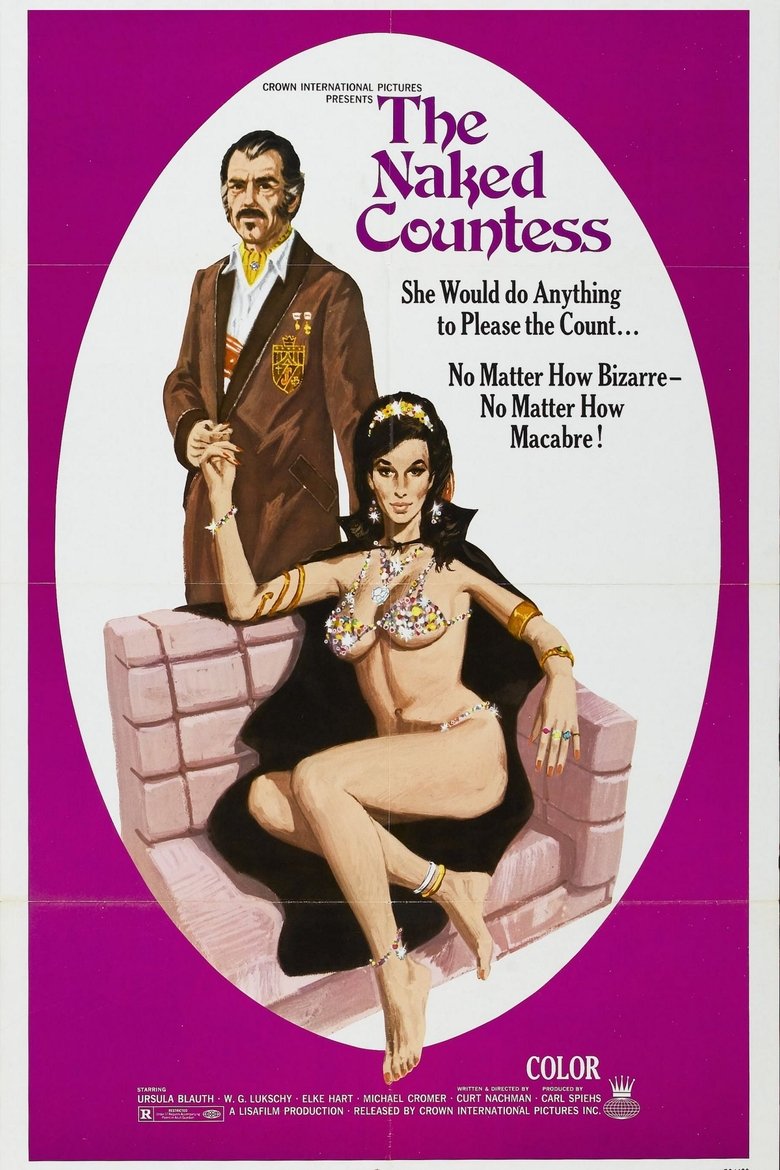
1971
RDirector
Kurt Nachmann
Runtime
85 minutes
Average Rating
No ratings yetSynopsis
The impotent count Anatol loves to photograph his wife Verena, while she is having fun with other men. Everything changes when Verena falls in love with Toni, a young auto mechanic.
Overall Score
Fair
Category Breakdown
LGBTQ+ Representation
The film focuses on heteronormative sexual dynamics and voyeurism. It lacks queer identities or non-cisnormative gender expressions, centering instead on the eroticization of the female form.
Gender Representation
The narrative centers on female sexual agency, portraying the Countess as the driver of her own desire. The husband's impotence shifts power away from traditional masculine leadership.
Racial & Ethnic Diversity
The cast appears homogeneous, reflecting the white-centric social structures of a traditional European aristocratic estate. There is no evidence of racial blending or characters of color.
Religious & Cultural Diversity
The story prioritizes individual hedonism over traditional moral or religious codes. It deconstructs the nuclear family through infidelity but lacks broader systemic or anti-capitalist critiques.
Disability Representation
There is no evidence of characters with physical or neurodivergent disabilities within the narrative.
Strengths
Areas for Improvement
AI Analysis
The Naked Countess operates primarily as a genre-driven exploration of eroticism rather than a study of intersectional identity. Its most significant contribution is the subversion of 1970s gender hierarchies, replacing the dominant patriarch with a female protagonist driven by her own autonomy. However, the film remains limited by a lack of demographic breadth. The setting and cast reinforce a homogeneous, white-centric social structure, and the narrative lacks any meaningful representation of LGBTQ+ identities or disability. Ultimately, while the film challenges traditional domesticity and masculine authority, it functions as a character study of aristocratic decadence rather than a critique of systemic power hierarchies.
1973
2006
1969

1972
1971

1970
1970
1970
1983
1973
1972

1985
No reviews yet. Be the first to share your thoughts on this movie!
Use the rating form above to leave a star rating and optional review.