
Beasts Cage
2008
No user ratings available yet
Representation score: 1.0 out of 10
Representation Score
Limited
2009
Director
Tadashi Kyouya
Runtime
80 minutes
Average Rating
No ratings yetNew Showbiz Analysis
The film focuses on transgressive sexual dynamics within a narrow genre niche, lacking broader social representation. Its strength lies in the protagonist's transformation from a passive victim to an active manipulator, challenging traditional gender roles. However, the film is limited in its scope, failing to address issues related to race, LGBTQ+ identities, or disabilities.
Category Breakdown
The film focuses primarily on heterosexual relationships and does not include any characters with non-cisgender identities or same-sex relationships.
The protagonist disrupts traditional hierarchies by transitioning from a victim to an active agent. Her 'Supervixen' persona allows her to manipulate and control encounters, challenging female passivity.
The cast is entirely Japanese, with no multicultural representation or non-Western cultural references. The film presents a homogeneous ethnic framework.
The story emphasizes personal freedom and the disruption of societal norms rather than institutional morality. It does not address broader critiques of capitalism or Western social structures.
There are no characters with visible or invisible disabilities in the film. The narrative does not incorporate neurodivergence or physical impairments into the character development.
Present on Screen
Limited or Absent
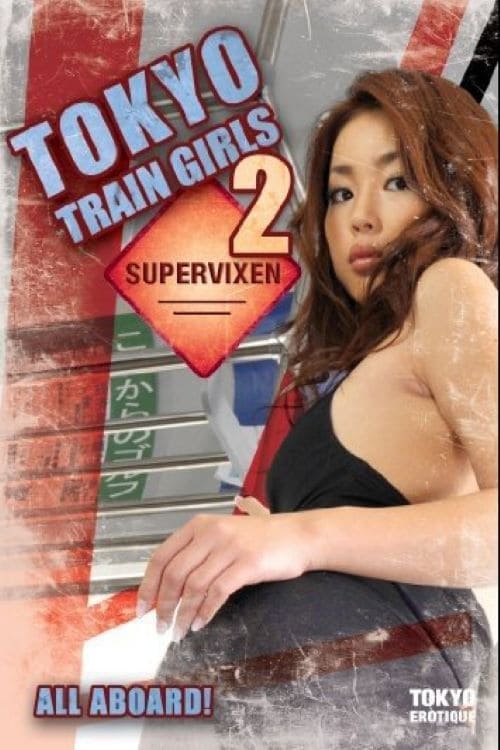
Official Synopsis
The film follows a schoolgirl (played by Minori Majokoro) navigating Tokyo’s crowded private railway lines, where she encounters a molester (chikan). The narrative unfolds through loosely connected vignettes, blending public risk with private intimacy. Unlike the first film’s marital subplot, this sequel centers on the protagonist’s journey from victim to “Supervixen,” embracing or manipulating the encounters in train cars, stations, and secluded settings. Key scenes include initial groping, seductive teasing, and a climactic role reversal, all wrapped in schoolgirl uniforms and POV shots for immersion.
2008

2003

2018

1993

2009

1983

2005

1984
No reviews yet. Be the first to share your thoughts on this movie!
Use the rating form above to leave a star rating and optional review.