
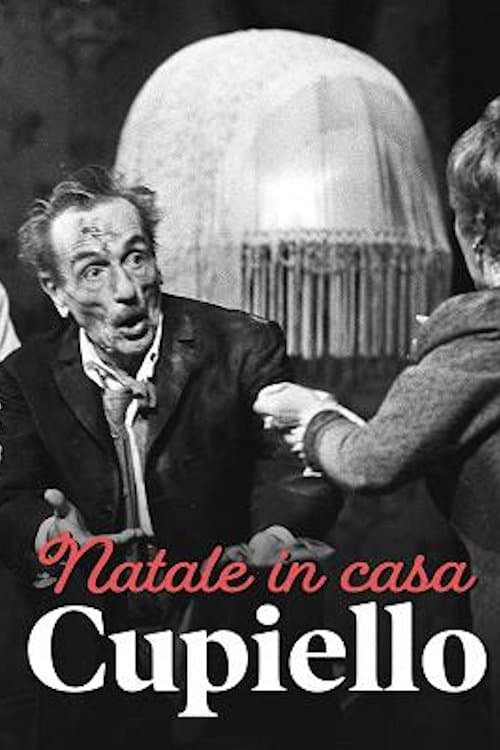
Christmas at the Cupiello Household
1977
No user ratings available yet
Representation score: 4.0 out of 10
Representation Score
Limited
1962
Director
Eduardo De Filippo
Runtime
109 minutes
Average Rating
No ratings yetNew Showbiz Analysis
Eduardo De Filippo’s work dismantles the facade of traditional Mediterranean domestic life. By highlighting the psychological toll of maintaining social appearances, the film challenges the idealized mid-century family structure. Though the narrative lacks modern markers of diversity like racial or LGBTQ+ representation, it offers a critical perspective on traditional institutions. It portrays the family unit as a site of dysfunction rather than a source of strength. Ultimately, the film’s strength lies in its subversion of traditional authority and its nuanced exploration of the breakdown of the nuclear family structure.
Category Breakdown
The film centers on traditional heterosexual marriage and family conflicts. It does not include any queer subtext or non-cisgender identities.
Female characters such as Concetta and Ninuccia manage chaotic situations that the male head of household cannot control. However, their overt ability to act remains limited.
The film reflects the ethnically homogeneous society of mid-century Italy. There is no evidence of racial diversity or non-majority casting.
The film critiques the sanctity of the nuclear family and religious symbolism. The Nativity scene serves as a sanctuary from a world defined by deceit and conflict.
The provided context contains no specific evidence regarding the portrayal of physical or neurodivergent disabilities.
Present on Screen
Limited or Absent
Official Synopsis
Luca Cupiello lives with the wife Concetta, the son Tommasino, and a brother, Pasquale. The son is wild, living by gimmicks and stealing from his uncle; the daughter Ninuccia does not get along with her husband Nicolino and plans to run away with her lover Vittorio; the wife tries to hide her family's troubles from her husband. Luca, who silently suffers the family situation, takes refuge in setting up the Nativity scene.
1977

1976
2017
2008

1940

2024

1954

2021
No reviews yet. Be the first to share your thoughts on this movie!
Use the rating form above to leave a star rating and optional review.