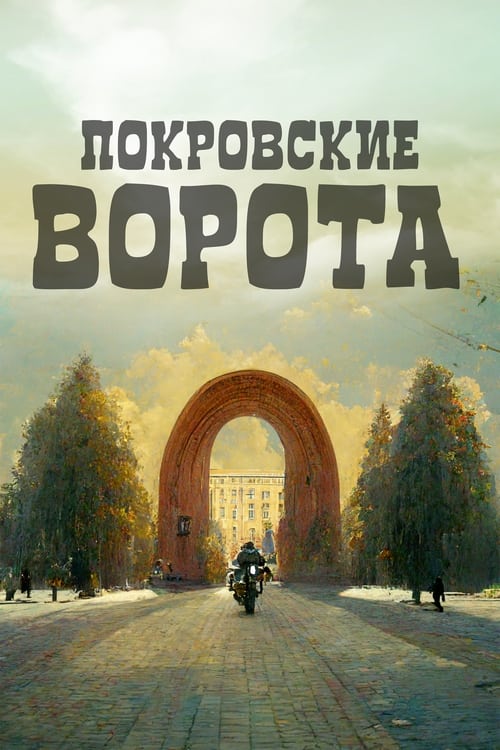
The Pokrovsky Gates
1983
No user ratings available yet
Representation score: 3.6 out of 10
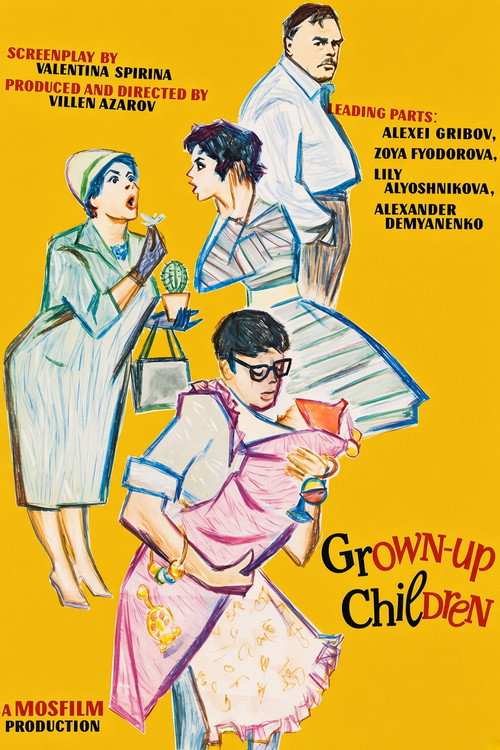
Representation Score
Minimal
1961
Director
Villen Azarov
Runtime
71 minutes
Average Rating
No ratings yetNew Showbiz Analysis
Adult Children is a mid-century Soviet domestic comedy that examines the breakdown of peace when multi-generational living is introduced. The film centers on the disruption of an aging couple's quiet retirement by the chaos of a growing family. The narrative relies heavily on conventional social roles and traditional hierarchies, lacking complexity in reflecting multiple aspects of identity. Ultimately, the film offers a realistic study of the nuclear family, though it remains rooted in the standard social norms of its era.
Category Breakdown
The film focuses entirely on traditional family structures and does not include any queer narratives or characters with non-binary gender identities.
The plot centers on the pressures of multi-generational living and the dynamics between family members. While the male character leads the initial plans, the story is driven by marriage and childbirth.
The story appears to reflect a single, ethnically homogeneous cultural experience. There is no indication of diverse casting or characters from different racial backgrounds.
The film explores the tension between individual intellectual aspirations and the collective demands of family life. It depicts the family unit as a site of social friction.
The documentation provides no information regarding characters with physical, sensory, or neurodivergent traits.
Present on Screen
Limited or Absent
Official Synopsis
Anatoli Kuzmich retired and received a separate apartment in a new house. He and his wife are happy and make bright plans for the future: how they will go to theaters, museums, read their favorite books. But their daughter Lyusya suddenly gets married. Not wanting to part with her, Korolyovs persuade the young spouses to live with them in a new apartment. Soon a child is born, and gradually life together becomes unbearable.
1983
1989
1991

1970

2012

1927
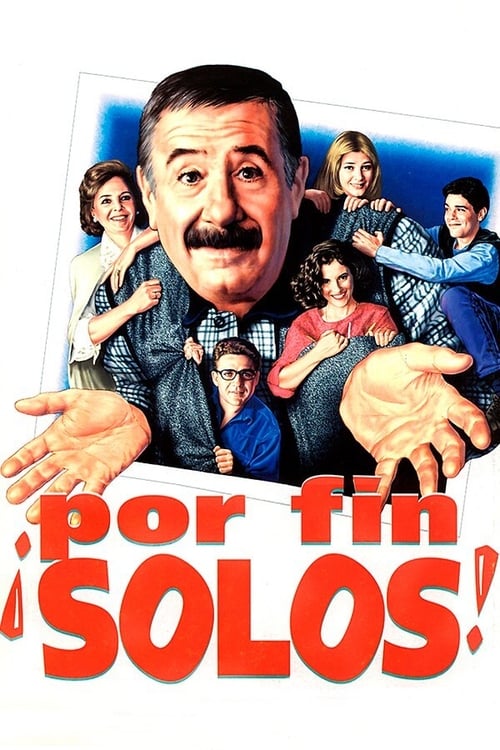
1994
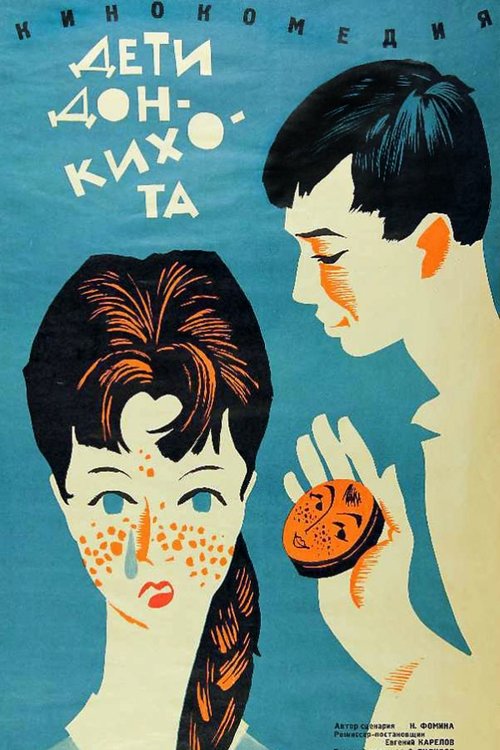
1966
No reviews yet. Be the first to share your thoughts on this movie!
Use the rating form above to leave a star rating and optional review.