Shit Happens
2000
No user ratings available yet
Representation score: 4.7 out of 10
Representation Score
Limited
2012
Director
Bohdan Sláma
Runtime
105 minutes
Average Rating
No ratings yetNew Showbiz Analysis
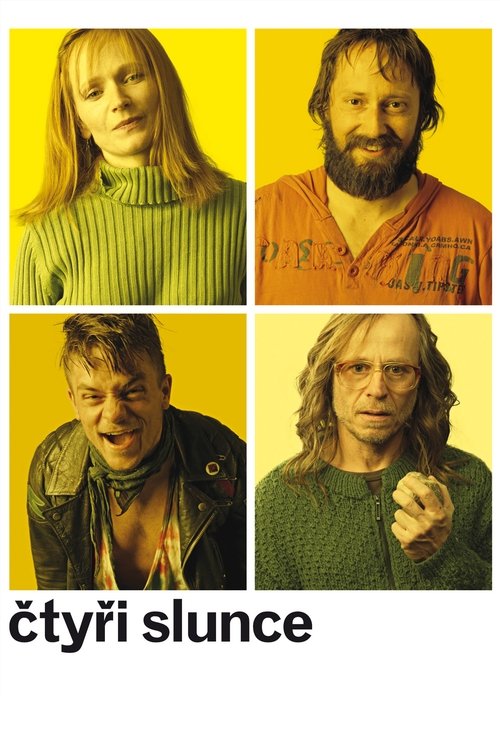
Four Suns is a gritty character study rooted in Czech social realism. It prioritizes the complexities of human dysfunction over the reinforcement of idealized social hierarchies. While the film lacks demographic breadth, it succeeds in deconstructing traditional family structures. The narrative's strength lies in its refusal to present a sanitized view of domestic life. By focusing on the failures of the male protagonist, it provides a more complex look at gendered competence and provincial struggle. However, the film remains limited by its homogeneous setting. The lack of racial, ethnic, or LGBTQ+ diversity keeps the scope narrow, focusing strictly on a specific regional socio-economic reality.
Category Breakdown
The film focuses on a traditional, fractured domestic unit. There is no visible representation of LGBTQ+ identities or narratives within the story.
Jana provides a subversion of traditional hierarchies by managing the household's emotional labor. The narrative shifts focus away from the unstable, arrested-development male protagonist.
Set in a small Czech town, the film depicts a homogeneous social environment. It lacks a multi-ethnic cast or characters that challenge regional demographic norms.
The film offers a nuanced critique of provincial life and social stability. It avoids idealized family clichés by focusing on unemployment and generational cycles of error.
The story explores psychological immaturity and interpersonal friction. However, there is no evidence of characters with physical or neurodivergent disabilities as central plot elements.
Present on Screen
Limited or Absent
Official Synopsis
Fogi is enjoying his never ending puberty. But simultaneously Fogi is also trying to live up to his family duties and bring up Véna, his son from the first marriage. He did not get married again but lives with Jana, a post office employee. Together they have little Anicka and they all live in a flat in a small town. At first, Jana is trying to tolerate Fogi's moods, but her patience is running out. Fogi loses his job. On top of that he starts to see himself in his adolescent son and realizes with horror that Véna repeats his own mistakes. The first fights, bans and mutual misunderstandings are approaching.
2000
1999

2004
2000
2018
2023

2019

2014
No reviews yet. Be the first to share your thoughts on this movie!
Use the rating form above to leave a star rating and optional review.