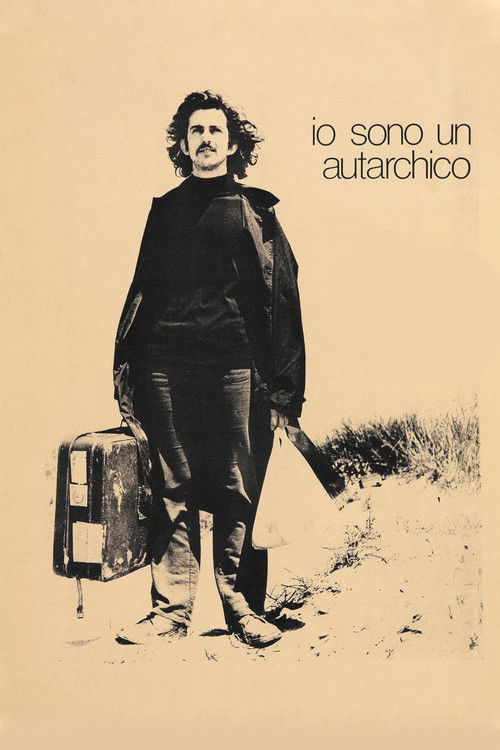
I Am Self-Sufficient
1976
No user ratings available yet
Representation score: 7.3 out of 10
Representation Score
Minimal
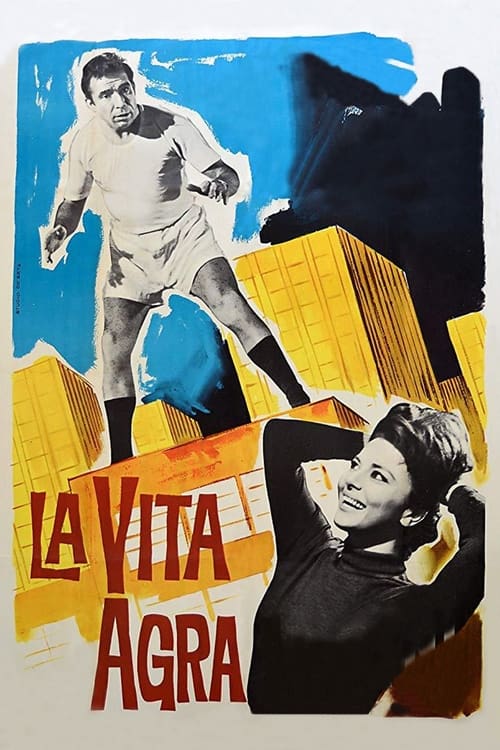
1964
Director
Carlo Lizzani
Runtime
99 minutes
Average Rating
No ratings yetNew Showbiz Analysis
Carlo Lizzani’s film is a work of historical realism that examines the socio-political tensions of 19th-century Italy. It effectively explores systemic political change and the tension between individuals and the state. However, the film adheres to traditional gender roles and a homogeneous demographic profile. It does not aim to challenge conventional social hierarchies or include diverse identity perspectives.
Category Breakdown
The film follows a traditional framework that assumes everyone is straight or cisgender. There is no depiction of non-traditional gender identities or same-sex relationships.
Female characters are portrayed within a traditional gender hierarchy typical of the 19th century. They mainly serve in domestic or supportive roles rather than as leaders in political movements.
The cast is mostly uniform, reflecting the ethnic makeup of the Italian peninsula during the time period. The film focuses on internal nationalistic conflicts rather than diverse ethnic backgrounds.
The narrative provides a nuanced look at political and religious institutions. It delves into the complexities of national liberation and the costs of political idealism through historical realism.
There is no focus on neurodivergence, physical disabilities, or chronic illnesses. Characters with disabilities are not used as central narrative drivers or part of the main cast.
Present on Screen
Limited or Absent
Official Synopsis
Luciano Bianchi lives with his wife and son in the small town of Guastalla. As an intellectual and bibliophile, he works as head of cultural initiatives at a mining plant.
1976
1997

1990
1983

2012

1971

1994

1995
No reviews yet. Be the first to share your thoughts on this movie!
Use the rating form above to leave a star rating and optional review.