
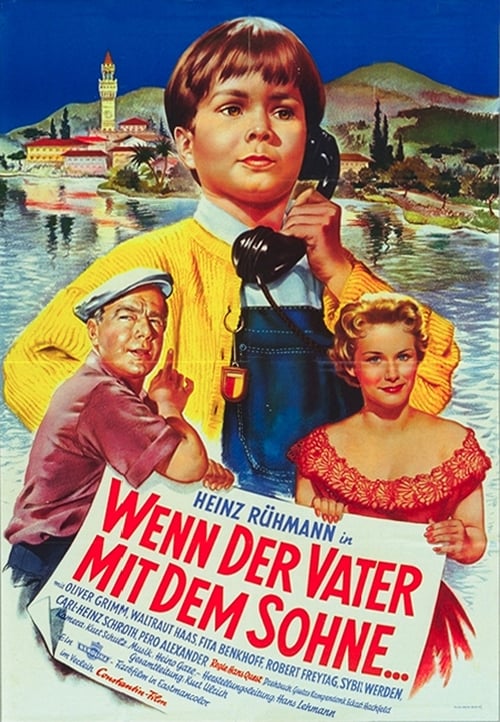
Cuando los duendes cazan perdices
1955
No user ratings available yet
Representation score: 4.0 out of 10
Representation Score
Minimal
1955
Director
Hans Quest
Runtime
95 minutes
Average Rating
No ratings yetNew Showbiz Analysis
This 1955 comedy-drama operates within the social and demographic constraints of its time. The narrative centers on established domestic archetypes, focusing on a male clown's emotional recovery and a dispute over parental rights. The film lacks multi-layered depth, presenting a homogeneous view of society typical of post-war European studio productions. It prioritizes sentimental themes of fatherhood and family bonds over any disruption of social hierarchies. Ultimately, the work functions as a traditional melodrama that reinforces mid-century norms rather than challenging them.
Category Breakdown
The film focuses on a traditional family structure where everyone is assumed to be straight or cisgender. There are no characters with non-conforming gender identities or critiques of the assumption that everyone is straight or cisgender.
The story revolves around a male protagonist's emotional journey and a conflict involving motherhood. It adheres to mid-century gender roles without challenging these hierarchies.
The film reflects the homogeneous society of 1950s European cinema. There is no indication of multi-ethnic casting or diverse ethnic backgrounds.
The narrative examines unconventional family building through fosterage but prioritizes sentimental themes of family bonds over critiques of Western institutions.
The film does not provide any information about characters with physical, sensory, or neurodivergent disabilities.
Present on Screen
Limited or Absent
Official Synopsis
After Clown Teddy lost his son, he lost his gift for laughter. He opened a joke shop and lives above the shop. His landlady has had a foster son since birth, and Teddy decides to raise the child, who always believed that Teddy was his father. When the mother suddenly appears five years later and wants her son, Teddy decides to run away with the child and goes back onstage with his son. Will the family catch up with them, or will the mother never get her son back?
1955

1938

1969

1921

1964
1955
1976

2005
No reviews yet. Be the first to share your thoughts on this movie!
Use the rating form above to leave a star rating and optional review.