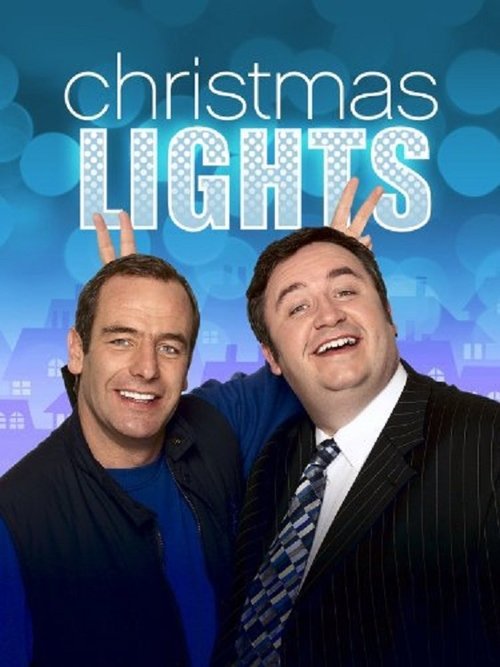
Christmas Lights
2004
No user ratings available yet
Diversity score: 3.2 out of 10

1977
Director
Eduardo De Filippo
Runtime
133 minutes
Average Rating
No ratings yetSynopsis
Luca Cupiello, like every Christmas, prepares the crib, amid the disinterest of his wife Concetta and his son Tommasino. Ninuccia, the other daughter, writes a letter to her husband in which she communicates that she leaves him for her lover. The letter happens in the hands of Luca who hands it over to his son-in-law, who thus learns of his wife's betrayal. During lunch on Christmas Eve, the two rivals, who were confronted by Luca's carelessness, clash violently.
Overall Score
Fair
Category Breakdown
LGBTQ+ Representation
The story centers on heteronormative romantic betrayal. It lacks explicit LGBTQ+ identities or non-cisnormative gender expressions, focusing instead on the disruption of a traditional marriage.
Gender Representation
Female characters demonstrate agency by rejecting prescribed roles through emotional detachment or pursuing external lovers. The male protagonist is depicted as ineffective, subverting the trope of the stable patriarch.
Racial & Ethnic Diversity
The cast and setting are ethnically homogeneous. This reflects the localized social realities of the Italian region and era without intentional racial blending.
Religious & Cultural Diversity
The film critiques Western and Christian institutions by using Christmas as a backdrop for dysfunction. It suggests these pillars of stability are often performative rather than truly cohesive.
Disability Representation
There is no discernible focus on visible or invisible disabilities within the narrative.
Strengths
Areas for Improvement
AI Analysis
The film's value lies in its narrative deconstruction of the idealized family rather than demographic breadth. It uses a realist lens to challenge the stability of traditional institutions, presenting the domestic sphere as a space of moral ambiguity. While the work lacks intersectional diversity regarding race and gender identity, it offers a nuanced critique of mid-20th-century social expectations. It replaces the expected cohesive family portrait with a study of systemic fragility and interpersonal volatility.
2004

2012
1999

2003

1962

1975
No reviews yet. Be the first to share your thoughts on this movie!
Use the rating form above to leave a star rating and optional review.