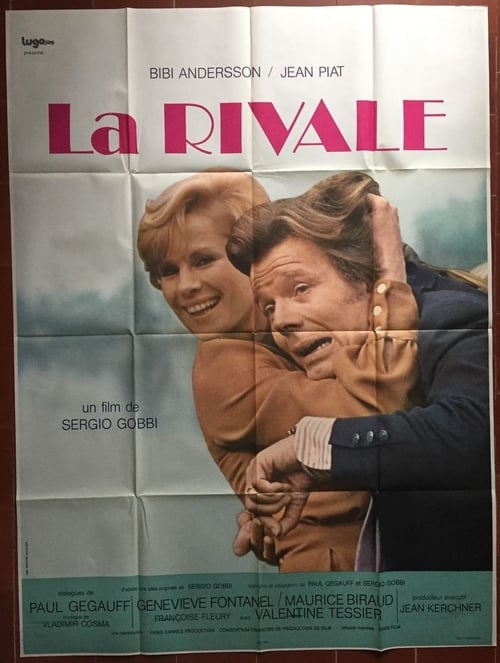
My Husband, His Mistress and I
1974
No user ratings available yet
Representation score: 3.9 out of 10
Representation Score
Limited
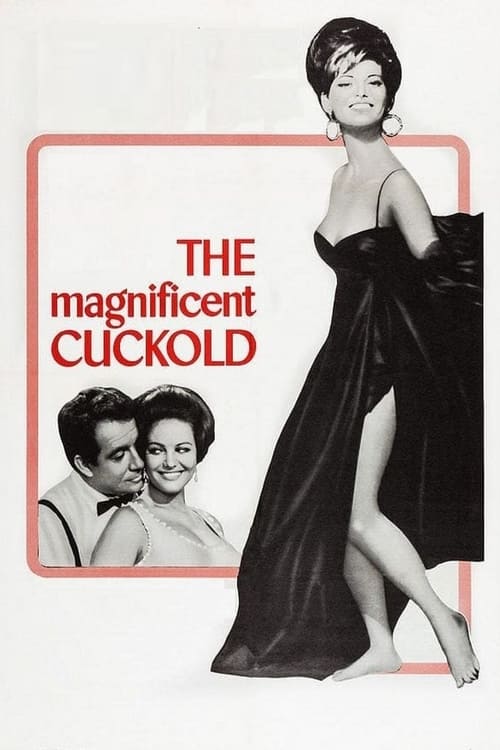
1964
Director
Antonio Pietrangeli
Runtime
119 minutes
Average Rating
No ratings yetNew Showbiz Analysis
Pietrangeli’s work offers a sophisticated psychological study that challenges mid-century social expectations. While the film lacks demographic diversity, it successfully deconstructs traditional masculine authority through its character arcs. The narrative shifts power from the husband to the wife, moving away from patriarchal ideals. This focus on female empowerment provides a meaningful layer of social critique despite the limited cast diversity. Ultimately, the film is a character study of the upper-middle class. It prioritizes the breakdown of social facades over a diverse representation of different identities.
Category Breakdown
The film does not include any LGBTQ+ identities or non-cisgender characters. It operates within a framework that assumes everyone is straight and cisgender.
The story challenges traditional gender roles by focusing on the husband's psychological decline. Maria gains significant control over the plot as she responds to his infidelity.
The cast is primarily white and European, reflecting the 1960s Roman setting. There is no ethnic diversity or non-human metaphors present.
The narrative critiques the bourgeois lifestyle and the myth of the perfect marriage. It avoids promoting a single, idealized Christian morality.
There are no visible or invisible disabilities portrayed in the film. Characters with disabilities are not used as narrative devices.
Present on Screen
Limited or Absent
Official Synopsis
Andrea Artusi is a successful businessman with a beautiful wife, Maria, and a happy marriage - until he has an affair. After his own cheating, he starts to become obsessed with his wife's fidelity. Since she is one of the most desired women in town, he worries that it would be very easy for her to cheat on him. Now every time a man looks at his wife, Andrea goes crazy. Meanwhile, Maria finds out about her husband's affair and decides to plan her revenge.
1974
1948
1966
1976
1972

1952
1954
1967
No reviews yet. Be the first to share your thoughts on this movie!
Use the rating form above to leave a star rating and optional review.