The Richest Girl in the World
1934
No user ratings available yet
Diversity score: 2.9 out of 10
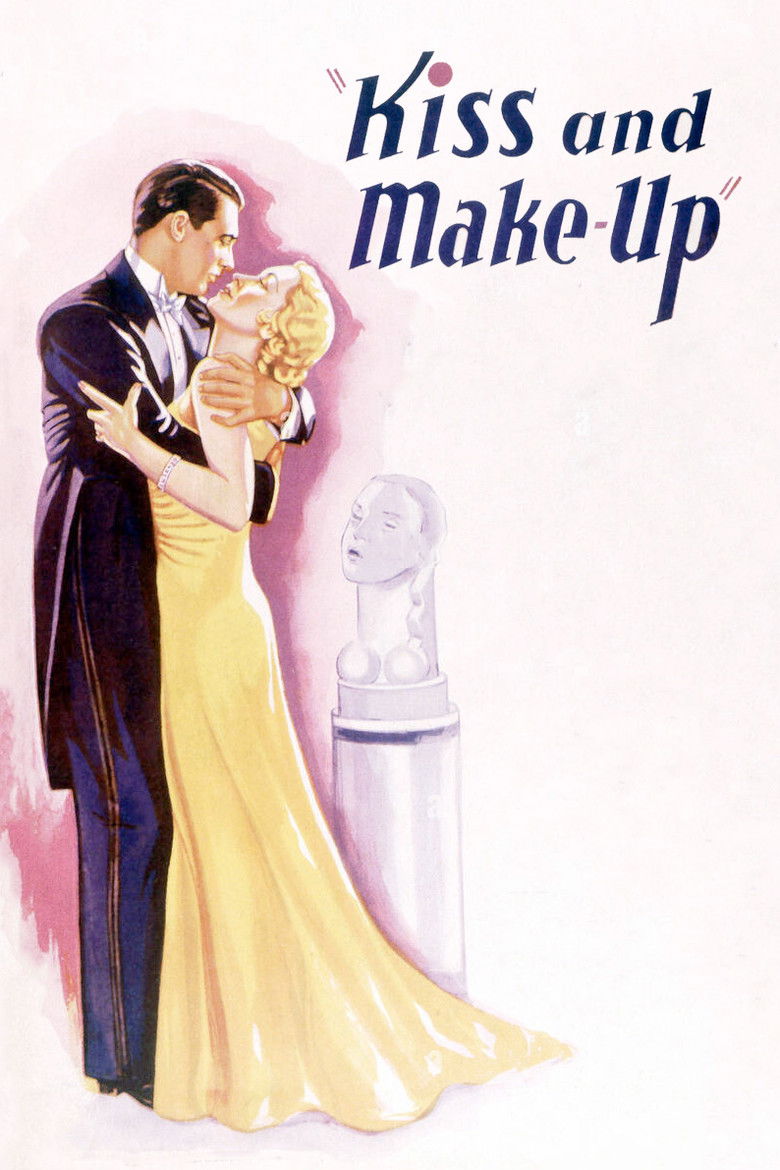
1934
ApprovedDirector
Harlan Thompson
Runtime
78 minutes
Average Rating
No ratings yetSynopsis
Dr. Maurice Lamar is a noted plastic surgeon who makes his rich clients beautiful, and also makes them. He makes Eve Caron, the wife of Marcel Caron, so satisfied with his skilled hands that she leaves Marcel and marries Maurice. They go on a Mediterranean honeymoon, where he soon finds the effects of his own beauty regulations are more than he can handle. He bids adieu to his new bride, and wings it back to Paris with the intention of giving up his practice and becoming a scientific researcher... after winning back the love of his simple, unadorned secretary, Anne.
Overall Score
Limited
Category Breakdown
LGBTQ+ Representation
The narrative centers on heteronormative romantic structures and traditional marriage. There is no evidence of non-cisnormative identities or critiques of heteronormativity within the plot.
Gender Representation
Dr. Maurice Lamar holds significant agency through his professional expertise. However, the film relies on the trope of the unadorned woman, positioning the secretary as a moral anchor.
Racial & Ethnic Diversity
The setting is European-centric, focusing on Parisian and Mediterranean locales. The cast appears to follow the homogeneous casting standards of the 1930s without evidence of ethnic diversity.
Religious & Cultural Diversity
The film critiques the superficiality of high-society beauty standards and materialism. Ultimately, it reinforces conventional social stability by returning to a traditional romantic ideal.
Disability Representation
The story focuses on aesthetic perfection through plastic surgery. There is no evidence regarding the portrayal of physical or neurodivergent disabilities.
Strengths
Areas for Improvement
AI Analysis
Kiss and Make-Up is a quintessential product of its era, functioning as a traditional romantic comedy. It explores the tension between artificiality and naturalism through the lens of a plastic surgeon, yet it remains firmly rooted in the social hierarchies of the 1930s. The film lacks intentionality regarding intersectional representation. While it touches on the vanity of high society, it does so through a narrow, Western European lens that prioritizes individual romantic fulfillment over systemic critique. Ultimately, the narrative reinforces conventional social structures rather than disrupting them. The characters operate within established gender and social frameworks, offering little in the way of diverse or non-traditional perspectives.
1934
1935
1936
1937
1928
1926
1925
1934
1926

1937
1937
1938
No reviews yet. Be the first to share your thoughts on this movie!
Use the rating form above to leave a star rating and optional review.