Antoine & Antoinette
1947
No user ratings available yet
Representation score: 1.1 out of 10
Representation Score
Fair
1953
Director
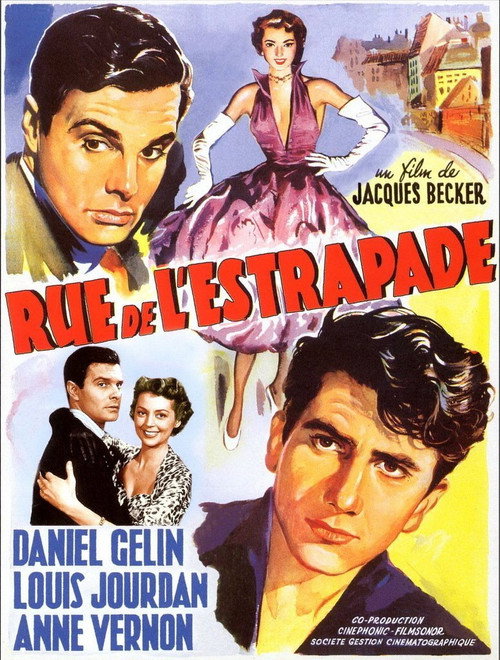
Jacques Becker
Runtime
97 minutes
Average Rating
No ratings yetNew Showbiz Analysis
Jacques Becker’s film highlights female autonomy during an era of strict domestic expectations. By shifting the protagonist from a life of luxury to one of modest self-reliance, the film prioritizes personal growth over maintaining a traditional marriage. While the film does not include racial or LGBTQ+ diversity, it successfully dismantles traditional gender roles. The narrative shifts the focus from a passive wife to an economically active individual. Ultimately, the film serves as a subtle critique of materialist stability, favoring individual authenticity over the conventional bourgeois lifestyle.
Category Breakdown
The film explores traditional romantic conflicts without explicitly depicting non-straight relationships. However, the bond between Françoise and Denise provides social support outside of marriage.
Françoise challenges mid-century stereotypes by choosing independence over submission after her husband's infidelity. Her pursuit of employment and self-sufficiency emphasizes women's ability to drive the story rather than being controlled by men.
The story seems to focus on a homogeneous social circle within a Parisian setting. There is no indication of multi-ethnic casting or diverse racial identities in the main storylines.
The narrative critiques bourgeois stability by showing the protagonist's move away from luxury as a path to authenticity. It questions the sanctity of the nuclear family through its storyline.
There are no visible or mentioned depictions of physical or neurodivergent disabilities within the provided narrative.
Present on Screen
Limited or Absent
Official Synopsis
While Henri Laurent speeds along on the racing circuits, his pretty wife Françoise goes from luxury boutique to luxury boutique with her best friend Denise. One day, Denise lets her know that Henri has a lover. Outraged, Françoise moves out of marital home and rents a maids' room in Rue de l'Estrapade. Henri tries to get his wife back but Françoise does not listen. She even looks for a job in a prêt-à-porter shop and lets herself be courted by Robert, her neighbor across the landing...
1947

1952
1951
1976
1955
1948

1955

1949
No reviews yet. Be the first to share your thoughts on this movie!
Use the rating form above to leave a star rating and optional review.