Give Me the Banjo
2011
No user ratings available yet
Representation score: 5.9 out of 10
Representation Score
Fair
1992
NRDirector
Rachel Liebling
Runtime
95 minutes
Average Rating
No ratings yetNew Showbiz Analysis
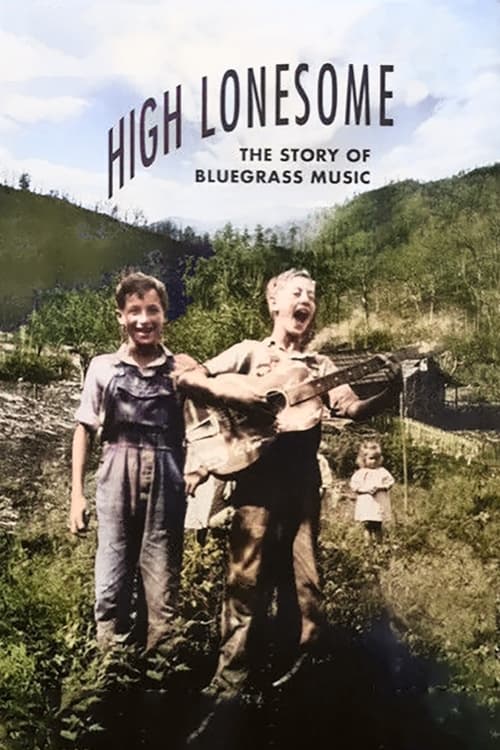
High Lonesome: The Story of Bluegrass Music successfully challenges the traditional, Anglo-centric narrative of American folk music. By highlighting the blend of African and Celtic influences, the film offers a sophisticated look at the racial mixing that shaped the genre's beginnings. However, the documentary falls short in other areas of diversity. There is no clear representation of LGBTQ+ identities or specific focus on disability. The gender representation remains at a moderate level, reflecting the historical male dominance of the bluegrass scene. Overall, the film serves as a study of cultural intersectionality, showing how music evolves through diverse, grassroots cultural synthesis.
Category Breakdown
The film does not include any explicit references to LGBTQ+ identities or stories that go beyond the assumption that everyone is straight or cisgender. The focus is on the historical oral traditions of bluegrass music.
The documentary looks at bluegrass from its roots in Appalachia. Although the genre has traditionally been male-dominated, the film includes a moderate level of gender diversity.
The film challenges the idea of a single, homogeneous musical tradition by showing how African and Celtic influences combined to create bluegrass. This helps break down the traditional Eurocentric view of the genre.
The documentary explores how different cultural identities come together within the context of Appalachian roots. It presents a detailed view of how music evolves naturally through grassroots cultural fusion.
There is no visible evidence of the depiction of physical or neurodivergent disabilities in this documentary.
Present on Screen
Limited or Absent
Official Synopsis
Longtime fans of bluegrass music and those only recently discovering it will appreciate this documentary on the genre, which was born of a combination of African and Celtic sounds and is the base of American country music. This film traces the musical form from its Appalachian roots to the present. The rise, fall, and consistent revival of bluegrass chronicled through oral history and visual record, resulting in a priceless film that even casual fans are sure to enjoy.
2011

2018
1992
1999

1973
2004
1983
1989
No reviews yet. Be the first to share your thoughts on this movie!
Use the rating form above to leave a star rating and optional review.