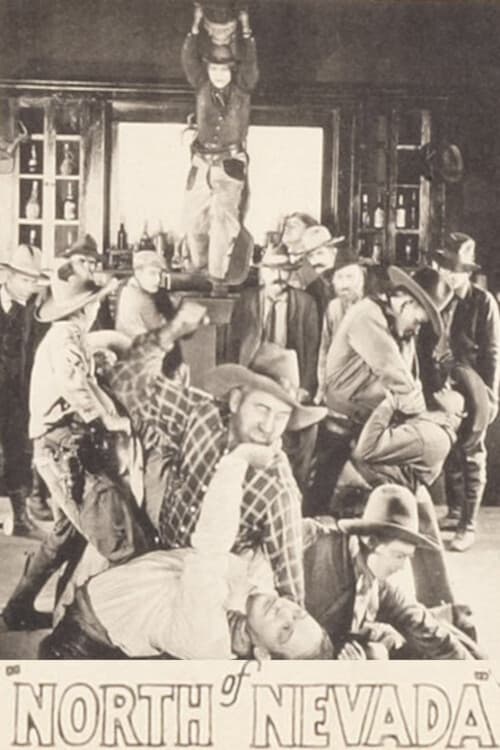
North of Nevada
1924
No user ratings available yet
Representation score: 1.4 out of 10
Representation Score
Minimal
1925
PassedDirector
John G. Blystone
Runtime
55 minutes
Average Rating
No ratings yetNew Showbiz Analysis
The film exemplifies classic Western storytelling, emphasizing traditional social stability and heterosexual resolutions. It reinforces established power dynamics rather than challenging them. The narrative centers on a capable male figure who protects both economic assets and domestic propriety. This structure upholds the social hierarchies and conventional romantic expectations of the era. Overall, the film does not aim to disrupt expectations related to gender, race, or social hierarchy, reinforcing the cultural norms of the 1920s.
Category Breakdown
The story revolves around a heterosexual relationship conflict. There are no representations of non-binary genders or same-sex relationships.
The male protagonist is the main stabilizer and protector. The female lead's influence is primarily through her romantic relationships.
The film reflects the homogeneous society of 1920s Westerns. It does not include diverse casting or challenge racial stereotypes.
The narrative emphasizes traditional Western values and ranching lifestyles. It focuses on maintaining social order and capitalist success.
No characters have physical impairments or neurodivergent traits. There is no depiction of disabilities.
Present on Screen
Limited or Absent
Official Synopsis
Based on a story by Robert Lord, the film is about a ranch foreman who assumes responsibility for the ranch following the owner's death. He also cares for the owner's daughter who is taken to Europe by an aunt. Two year later the woman returns from Europe with her new wealthy fiancée and plans to hold their wedding at the ranch, which the foreman has turned into a successful tourist destination. The foreman's feelings for the woman have not been diminished by the years, and after learning some damaging information about the fiancée, the foreman must find a way to stop the wedding. (Wiki)
1924

1940
1926
1930
1922
1926
1927
1928
No reviews yet. Be the first to share your thoughts on this movie!
Use the rating form above to leave a star rating and optional review.