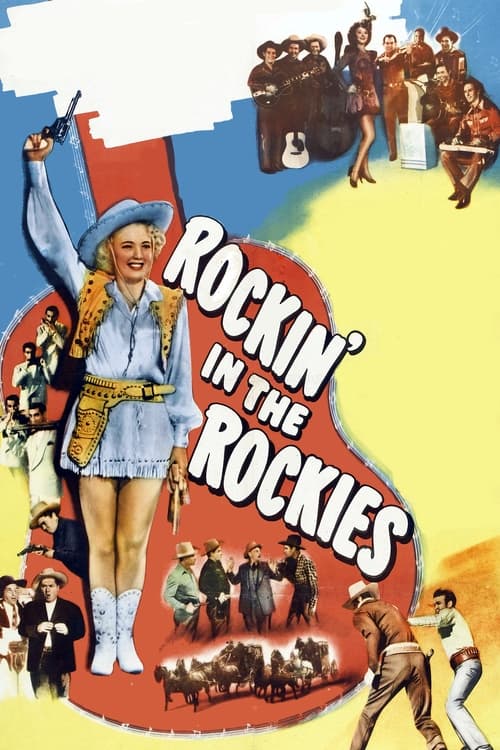
Rockin' in the Rockies
1945
No user ratings available yet
Diversity score: 2.3 out of 10

1925
PassedDirector
John G. Blystone
Runtime
50 minutes
Average Rating
No ratings yetSynopsis
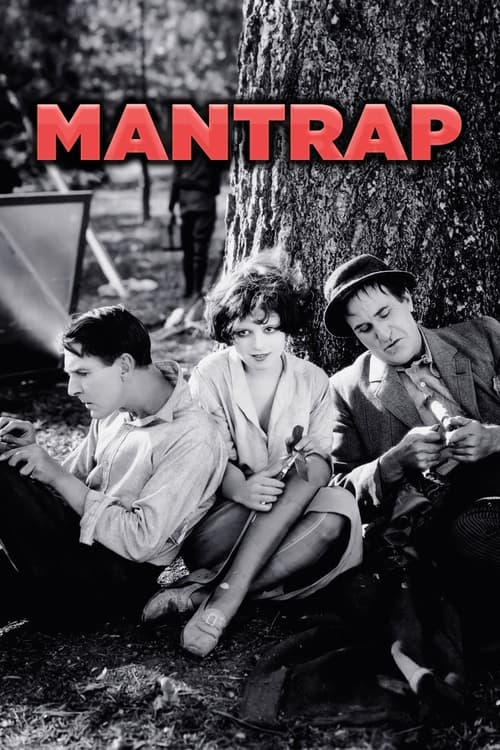
Visiting his vast properties incognito, Hugh Nichols (Tom Mix) discovers that his land agent (Cyril Chadwick) is forcing Peggy Swain (Clara Bow) and her dad (Frank Beal) off their neighboring ranch. When decent-minded Nichols demands that the agent cease harassing the farmers, the nasty villain blows up the nearby dam, flooding the valley.
Overall Score
Limited
Category Breakdown
LGBTQ+ Representation
The film operates within the standard romantic and social frameworks of the 1920s. There is no evidence of non-cisnormative identities or narratives that critique heteronormativity.
Gender Representation
Peggy Swain serves as a female lead, yet her role is framed through victimhood. She acts primarily as a catalyst for the male protagonist's heroism rather than driving the plot through independent agency.
Racial & Ethnic Diversity
As a Western, the film centers on Anglo-Saxon archetypes. It reflects the homogeneous casting norms of the era without providing evidence of a diverse cast or non-white characters with agency.
Religious & Cultural Diversity
The story emphasizes traditional Western values like property ownership and social stability. The hero's motivations focus on restoring justice and protecting a localized community within a traditionalist moral framework.
Disability Representation
There is no evidence to suggest the inclusion of characters with visible or invisible disabilities.
Strengths
Areas for Improvement
AI Analysis
The film is a conventional Western that adheres to the established social and narrative hierarchies of the mid-1920s. It relies on standard genre tropes, such as the benevolent landowner and the villainous interloper, to drive its conflict. While the film features a central female character, the narrative structure prioritizes male heroism and property rights. The plot lacks intersectional complexity, focusing instead on a traditional hero-versus-villain dynamic. Ultimately, the work reflects the homogeneous casting and social norms of its time, offering little disruption to the era's standard cinematic vernacular.
1945
1926
1943
1924
1992
1922
1919
1917
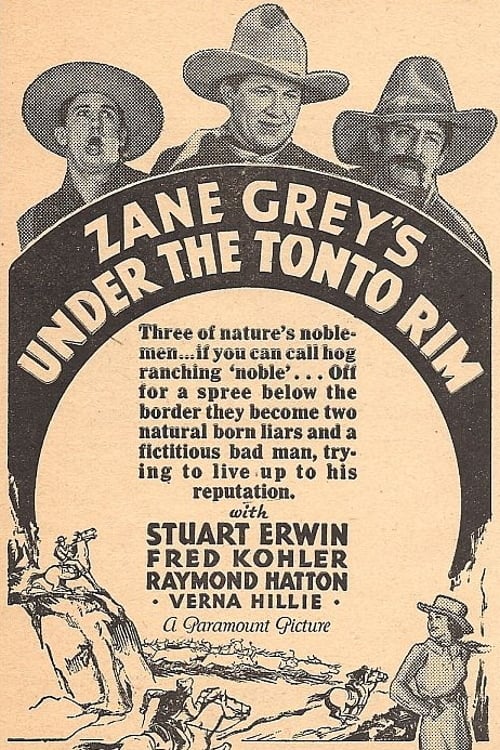
1933
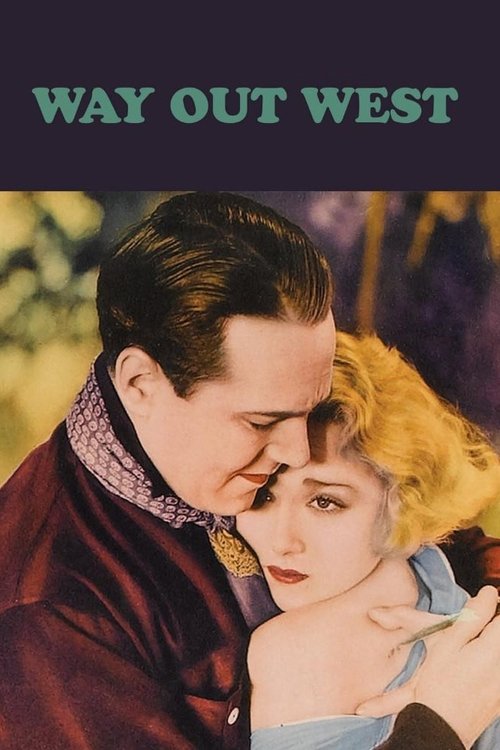
1930
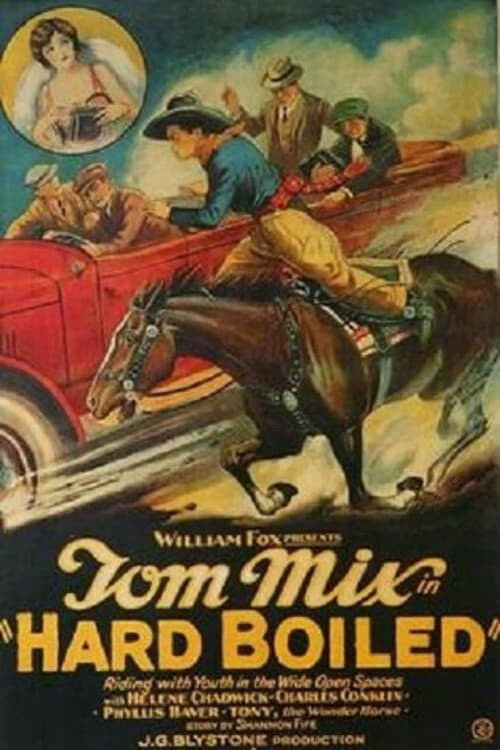
1926
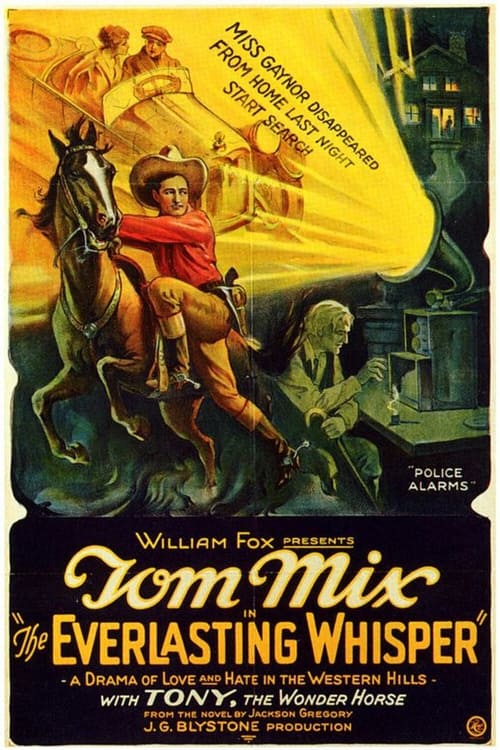
1925
No reviews yet. Be the first to share your thoughts on this movie!
Use the rating form above to leave a star rating and optional review.