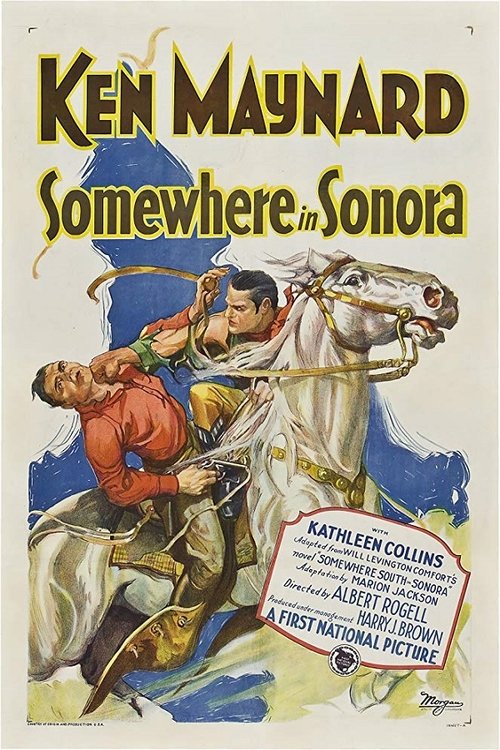
Somewhere in Sonora
1927
No user ratings available yet
Representation score: 0.6 out of 10
Representation Score
Minimal
1924
PassedDirector
John G. Blystone
Runtime
60 minutes
Average Rating
No ratings yetNew Showbiz Analysis
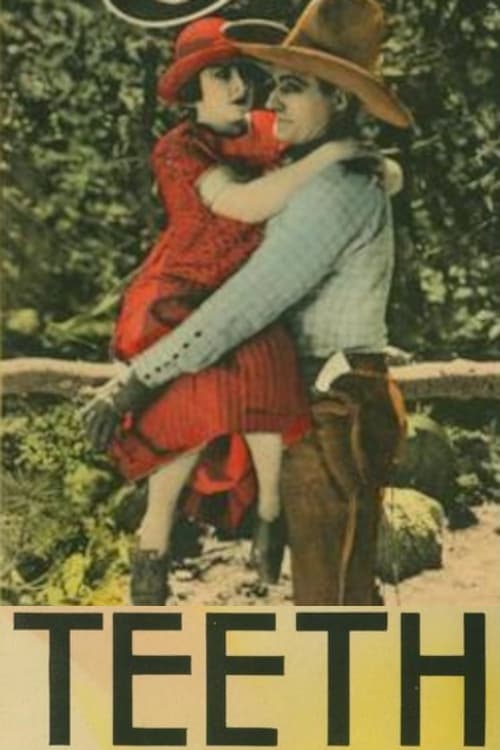
Teeth is a silent Western from 1924 that appears to function within the conventional cinematic frameworks of its time. Due to the extreme age of the film and a lack of specific narrative documentation, it is difficult to verify any subversive elements. The film likely adheres to the rigid genre clichés of the early 1920s, which centered on traditional masculine hierarchies and frontier mythologies. Without scene-level data, the production seems to reflect the era's standard, homogeneous approach to storytelling. Ultimately, the lack of evidence for multi-layered or progressive structures results in a low diversity profile. The film represents a period-typical example of the Western genre's historical constraints.
Category Breakdown
There is no evidence of LGBTQ+ narratives or non-straight identities. Given the 1924 release date, such depictions were virtually non-existent in mainstream Westerns.
Specific character roles remain unconfirmed, but the era's Westerns typically prioritized male leadership. Female characters were often relegated to secondary or domestic roles.
The film lacks verifiable evidence of actively leading characters of color. Westerns from this period frequently utilized narrow, homogeneous casting.
The film likely reinforces traditional Western expansionist ideals and frontier morality. There is no evidence of a systemic critique of institutional authority.
No information exists regarding characters with visible or invisible disabilities. In the silent era, disability was rarely explored through a lens of ability to act.
Present on Screen
Limited or Absent
1927
1939
1924
1928
1915
1928

1926
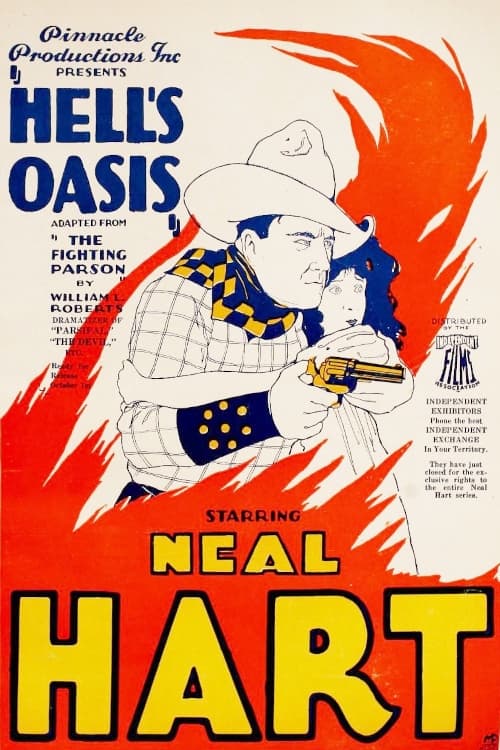
1920
No reviews yet. Be the first to share your thoughts on this movie!
Use the rating form above to leave a star rating and optional review.