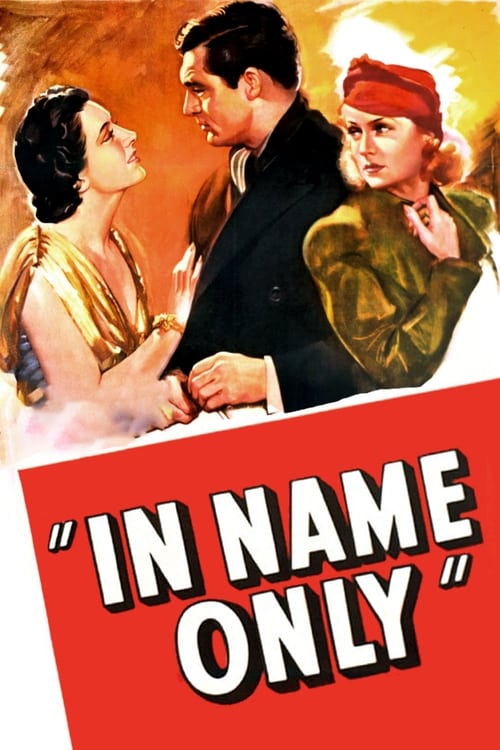
In Name Only
1939
No user ratings available yet
Diversity score: 4.3 out of 10
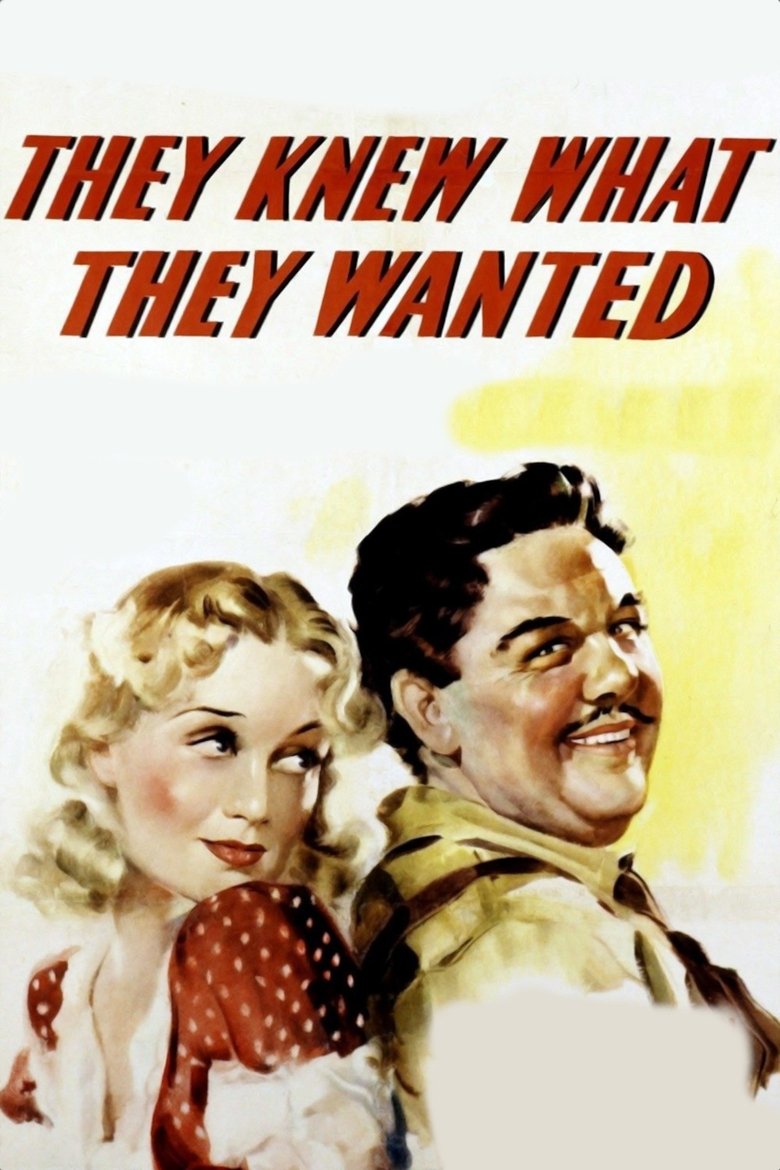
1940
NRDirector
Garson Kanin
Runtime
96 minutes
Average Rating
No ratings yetSynopsis
While courting a young woman by mail, a rich farmer sends a photograph of his foreman instead of his own, which leads to complications when she accepts his marriage proposal.
Overall Score
Limited
Category Breakdown
LGBTQ+ Representation
The film lacks LGBTQ+ characters or any exploration of non-heteronormative identities. The romantic plot remains strictly focused on a traditional heterosexual pairing.
Gender Representation
The female lead demonstrates significant agency by choosing to abandon her high-society status for a rugged, manual lifestyle. She acts as a driver of her own life transitions rather than a passive participant.
Racial & Ethnic Diversity
The cast is predominantly white, viewing the Andean setting through a Western lens. The landscape serves as an exoticized backdrop rather than a space for authentic indigenous representation.
Religious & Cultural Diversity
The narrative critiques the artificiality of urban high society by romanticizing a more authentic, lawless existence. It suggests a preference for individualistic freedom over rigid institutional morality.
Disability Representation
There are no visible or invisible disabilities portrayed as central to the character arcs or the plot mechanics.
Strengths
Areas for Improvement
AI Analysis
The film is a product of its era, characterized by a lack of racial diversity and a strictly heteronormative romantic structure. The cast's predominantly white composition and the exoticized treatment of the South American setting limit its cultural depth. However, the film succeeds in subverting gender tropes. The female protagonist avoids the typical submissive roles of the period, instead exercising autonomy through her radical lifestyle changes. This provides a layer of character agency often missing in mid-century dramas. Ultimately, the film's strength lies in its thematic deconstruction of social hierarchies. By pitting rugged individualism against urban refinement, it offers a sophisticated critique of the institutions that define 'civilized' society.
1939
1940
1930
1930
1938

1941

1928
1952
1926
1930
1924
1940
No reviews yet. Be the first to share your thoughts on this movie!
Use the rating form above to leave a star rating and optional review.