
The Merry Widow
1926
No user ratings available yet
Representation score: 2.6 out of 10
Representation Score
Fair
1928
NRDirector
Erich von Stroheim
Runtime
109 minutes
Average Rating
No ratings yetNew Showbiz Analysis
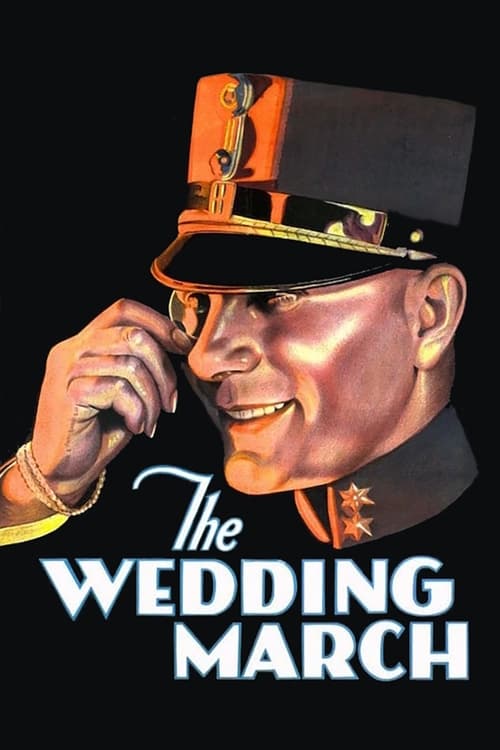
The Wedding March is a period drama that excels in its critique of class structures and systemic oppression. It uses the friction between the peasantry and the aristocracy to highlight the corruption of traditional social hierarchies. However, the film is limited by the demographic homogeneity of its era. It lacks any representation of LGBTQ+ identities or racial diversity, remaining strictly within a localized European context. While the female characters show emotional depth, the depiction of disability is primarily functional. Cecelia’s physical condition serves the plot's movement rather than offering a nuanced look at life with a disability.
Category Breakdown
The film does not depict any LGBTQ+ identities. It focuses on the romantic and socioeconomic tensions between heterosexual characters.
Female characters have significant emotional ability to act despite a rigid patriarchal structure. The story critiques how marriage is used for socioeconomic stability rather than personal fulfillment.
The cast reflects the demographic homogeneity of 1920s Austria. There is no evidence of color-blind casting or intentional racial blending within the European setting.
The film offers a sophisticated critique of the Austrian caste system and landed aristocracy. It portrays these institutions as oppressive forces that stifle individual ability to act and romantic autonomy.
Cecelia is depicted as a crippled heiress, serving as a plot device for the protagonist's social maneuvering. Her role lacks independent ability to act or a character-driven exploration of her disability.
Present on Screen
Limited or Absent
Official Synopsis
Against the backdrop of Vienna's hidebound caste system, aristocrat and army officer Nicki is attracted to peasant Mitzi, although he knows it cannot last. Acquiescing to familial pressure, he ultimately gives her up to marry the more socially acceptable – albeit crippled – heiress Cecelia. Mitzi, for her part, is heartbroken and must resign herself to marrying churlish butcher Schani Eberle.
1926
1927
1929
1920

1928

1930

1919
1935
No reviews yet. Be the first to share your thoughts on this movie!
Use the rating form above to leave a star rating and optional review.