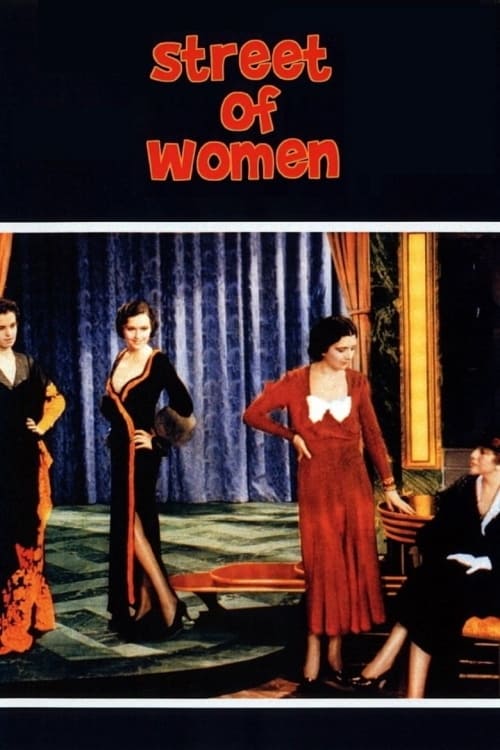
Street of Women
1932
No user ratings available yet
Representation score: 2.0 out of 10
Representation Score
Minimal
1930
PassedDirector
Ernst Laemmle
Runtime
65 minutes
Average Rating
No ratings yetNew Showbiz Analysis
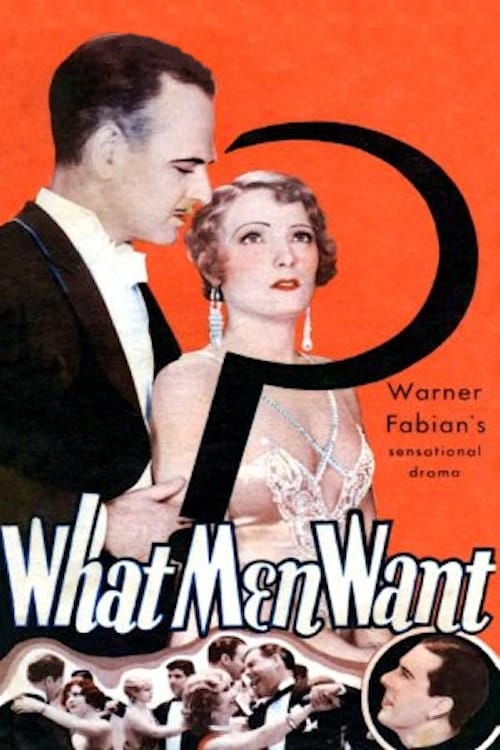
What Men Want is a period drama that adheres strictly to the conventional storytelling norms of the early 1930s. The narrative relies on established romantic archetypes, specifically focusing on the shifting affections of a mistress. The film lacks complexity in representing multiple aspects of identity, functioning instead as a traditional melodrama. It reflects the social constraints of its era, prioritizing romantic complications over systemic critique or diverse representation. Ultimately, the production offers a monolithic view of social and romantic life, providing little engagement with identities outside the mainstream.
Category Breakdown
The story revolves around heterosexual relationships between a mistress and a playboy. There is no indication of non-binary gender identities or critiques of traditional romantic themes.
The narrative centers on a woman's romantic journey as she transitions from being a mistress to a lover. However, the plot relies on romantic complications that often frame women through the lens of male desire.
The film likely features a homogeneous cast typical of 1930s Hollywood productions. There is no evidence of diverse character development or casting actors with different backgrounds.
The film operates within traditional early 20th-century moral frameworks. It focuses on social status and romantic complications rather than critiquing Western institutions or religious structures.
There is no evidence in the available records to suggest the inclusion of characters with visible or invisible disabilities.
Present on Screen
Limited or Absent
Official Synopsis
A playboy's mistress falls in love with another man. Her younger sister arrives in town. Complications ensue.
1932

1933

1931

1934
1933

1931

1934

1930
No reviews yet. Be the first to share your thoughts on this movie!
Use the rating form above to leave a star rating and optional review.