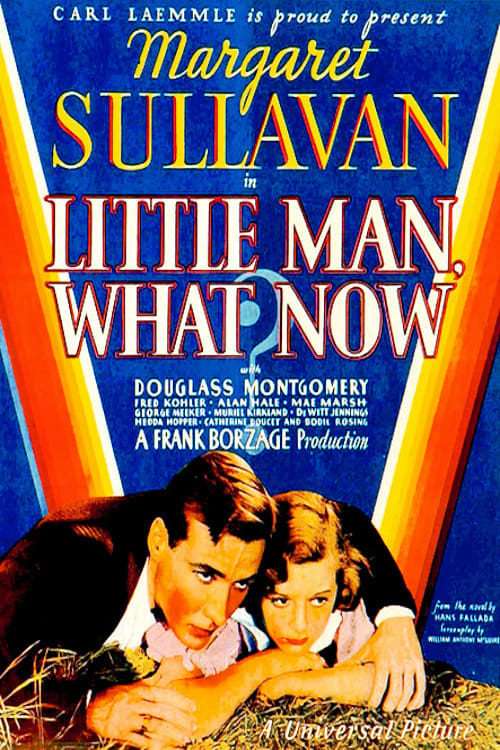
Little Man, What Now?
1934
No user ratings available yet
Representation score: 1.2 out of 10
Representation Score
Minimal
1940
ApprovedDirector
Harold S. Bucquet
Runtime
80 minutes
Average Rating
No ratings yetNew Showbiz Analysis
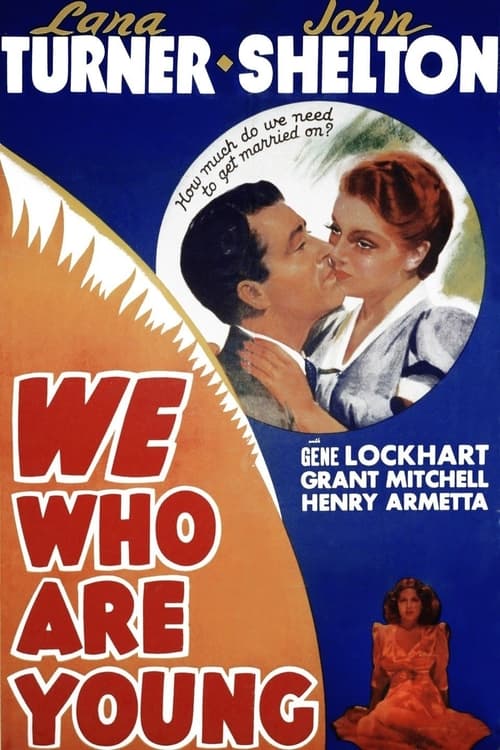
We Who Are Young is a product of the 1940s studio system, adhering strictly to the social and cinematic constraints of its time. The narrative structure prioritizes traditional interpersonal conflicts and institutional hierarchies over social subversion. The film's focus on a man's struggle with company policy regarding marriage reinforces the narrow focus on straight relationships and traditional gender roles. It functions as a standard drama of the era, offering little disruption to prevailing social hierarchies. Overall, the film lacks meaningful representation across most diversity metrics, reflecting the era's preference for homogeneous, traditional storytelling.
Category Breakdown
The film does not include any LGBTQ+ characters or narratives that challenge the assumption that everyone is straight or cisgender. The central conflict centers around a traditional marriage, reinforcing the era's standard romantic structures.
The story focuses on a male protagonist navigating corporate rules and personal domesticity. This framework suggests that female characters likely occupy supportive or domestic roles typical of 1940s cinema.
The production reflects the homogeneous casting standards of the 1940s studio system. The narrative appears to align with the era's tendency toward white-centric storytelling and Western social norms.
The plot emphasizes the stability of institutional and marital norms. It reinforces traditional social structures rather than offering a critique of capitalism or Western social responsibilities.
There is no evidence of characters with visible or invisible disabilities. The narrative does not address disability representation.
Present on Screen
Limited or Absent
Official Synopsis
A man violates company policy by getting married.
1934
1952
1933
1958

1931

1953
1931

1951
No reviews yet. Be the first to share your thoughts on this movie!
Use the rating form above to leave a star rating and optional review.