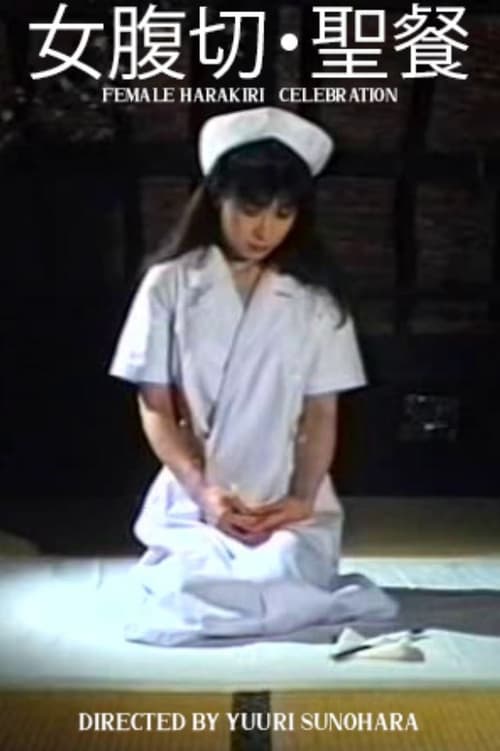
Female Harakiri: Celebration
1990
No user ratings available yet
Representation score: 3.5 out of 10
Representation Score
Minimal
1990
Director
Akio Fuji
Runtime
45 minutes
Average Rating
No ratings yetNew Showbiz Analysis
The film 'Harakiri' is a traditionalist historical horror piece that centers on a specific cultural ritual. It uses imagery from World War II to anchor the story in a particular period of Japanese identity. While the film provides a deep dive into Japanese traditions and historical contexts, it does not aim to challenge conventional social structures. Instead, it focuses on the importance of historical and spiritual duties without engaging with diverse identities or modern social issues.
Category Breakdown
The film does not include any LGBTQ+ characters or stories about non-straight or non-cisgender identities. The story focuses solely on a traditional ritual.
A female character performs a ritual suicide that is traditionally associated with women. She plays a significant role in driving the story, but the narrative leans on familiar gender clichés of sacrifice and tragedy.
This film is specifically about Japanese culture. It offers a deep look into a particular ethnic context through traditional clothing and historical military footage.
The film emphasizes traditional religious practices and rituals. It uses historical imagery to highlight a moment of strong traditionalism and spiritual duty.
There is no information about characters with visible or invisible disabilities in this film.
Present on Screen
Limited or Absent
Official Synopsis
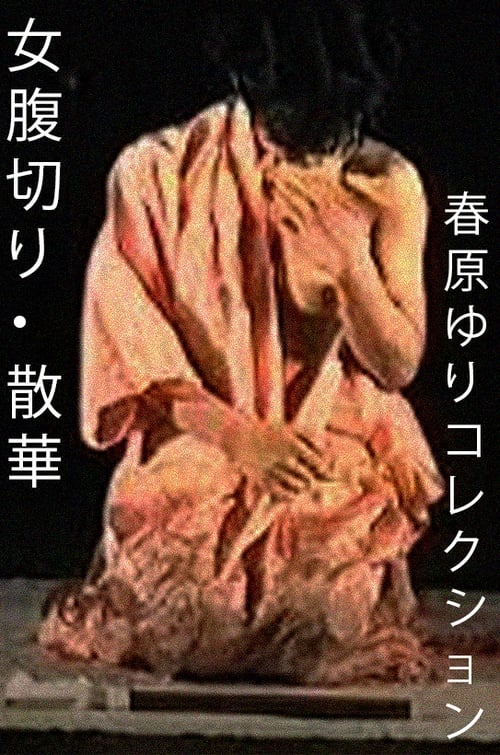
A black and white preface shows a woman in a traditional kimono climbing the stairs as WWII era Mitsubishi Zeros fly through the sky and footage of the Japanese military of the era is superimposed over the footage. She stops at the top of the stairs to say her prayers, rings a bell, and heads inside where the footage is shot in color. She unravels her kimono and rubs her face with the cloth before wrapping her blade and lovingly touching it. She pulls it across her stomach and slits herself open, falling to the mat. She crawls across the mat, dying, slipping in her own slick blood until she can't move anymore.
1990
1964
1990
1999
1989
1990
1990
1999
No reviews yet. Be the first to share your thoughts on this movie!
Use the rating form above to leave a star rating and optional review.