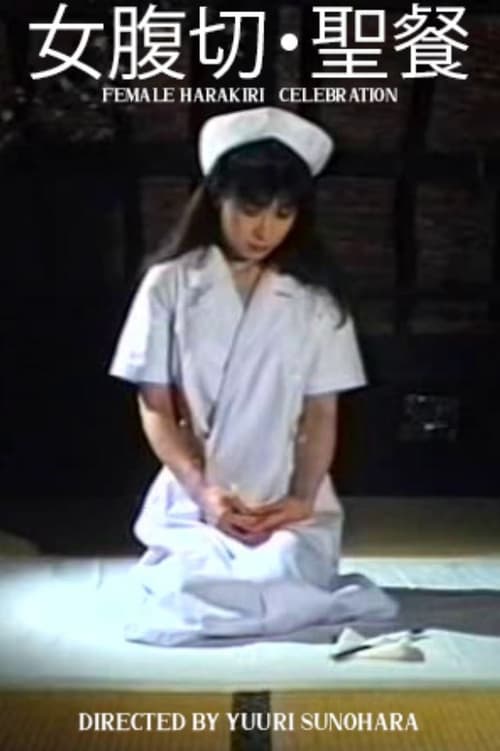
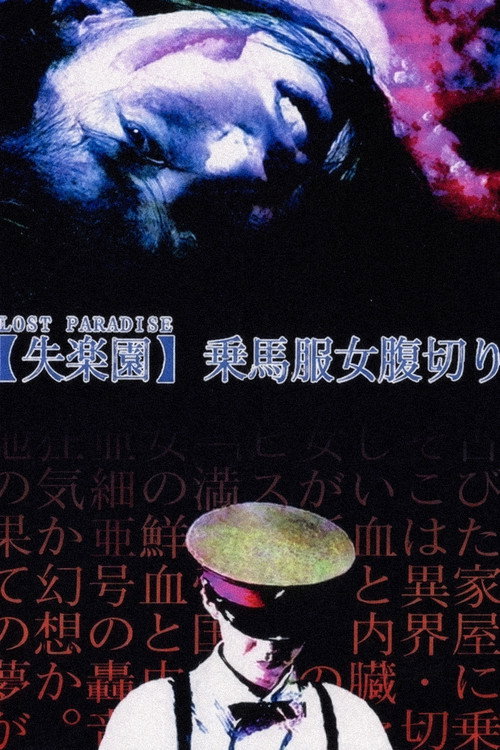
Female Harakiri: Celebration
1990
No user ratings available yet
Representation score: 3.5 out of 10

Representation Score
Limited
1999
Director
Tamakichi Anaru
Runtime
60 minutes
Average Rating
No ratings yetNew Showbiz Analysis
Suicide Dolls (1999) is a psychological horror film that emphasizes existential themes over broad demographic representation. The story centers on female experiences of extreme ability to act and the loss of individuality, using ritualistic violence to explore the blurring line between human and object. While the film may offer a critique of gendered victimhood, it operates within a culturally specific, likely homogeneous Japanese framework. The lack of clear information regarding queer subtext or neurodivergent themes limits its multi-layered scope. Ultimately, the work functions as a character study focused on the systemic stripping of autonomy rather than a diverse ensemble piece.
Category Breakdown
The film does not provide clear signs of queer romantic relationships or non-binary gender identities. While the story focuses on female characters, there is no indication of queer symbolism.
Women occupy the absolute center of the plot through acts of extreme self-destruction. This focus disrupts traditional depictions of feminine passivity, though the framing of these acts remains ambiguous.
The film seems to have a predominantly Japanese cast with no clear evidence of diverse racial backgrounds or the subversion of ethnic stereotypes.
The film reinterprets traditional practices like seppuku within a horror context, suggesting a critique of objectification and a deconstruction of traditional social roles.
There is no evidence in the narrative regarding the depiction of physical disabilities or neurodivergent conditions.
Present on Screen
Limited or Absent
Official Synopsis
A woman shoots herself. A woman hangs herself. A woman commits harakiri. Were they the victims of "Suicide Dolls", or were they themselves the dolls?
1990

2001
1989
1964
1990
1990
2001

1996
No reviews yet. Be the first to share your thoughts on this movie!
Use the rating form above to leave a star rating and optional review.