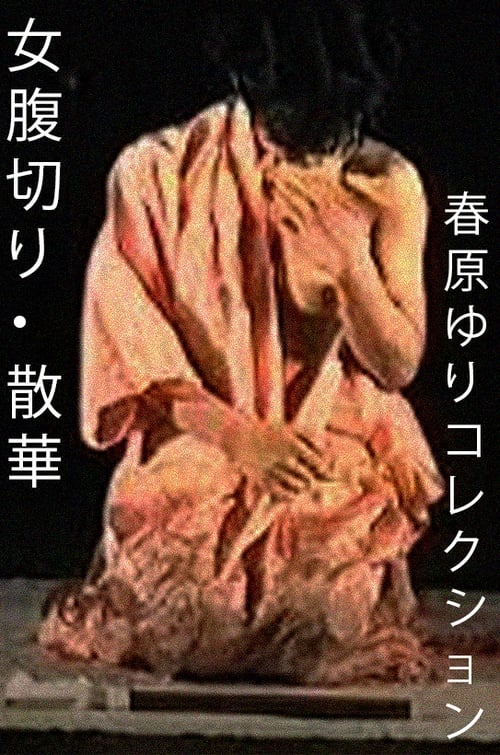
Female Harakiri: Glorious Death
1989
No user ratings available yet
Representation score: 3.3 out of 10
Representation Score
Limited
1990
Director
Akio Fuji
Runtime
58 minutes
Average Rating
No ratings yetNew Showbiz Analysis
The film presents a narrow, character-focused study that lacks structural complexity. It prioritizes individual psychological and cultural motifs over a broader engagement with progressive social representation. While the central character is female, the narrative does not challenge traditional gendered clichés. Instead, the focus on ritualistic self-harm emphasizes vulnerability. Ultimately, the work fails to deconstruct systemic power dynamics or prioritize diverse identities, resulting in a limited scope of representation.
Category Breakdown
The film does not include any characters with LGBTQ+ identities or non-assuming gender matches what was assigned at birth identities. The story focuses solely on the actions of a single character.
The female protagonist lacks the power to challenge traditional hierarchies. Her role emphasizes her vulnerability and physical suffering rather than her leadership.
The film suggests a Japanese setting, but there is insufficient detail to assess the broader cast. There is no information about non-white majority dynamics.
The film explores the cultural tradition of harakiri. However, it does not critically examine power, morality, or Western institutions.
The film does not feature any characters with disabilities. The focus remains on the ritual itself rather than the lived experiences of neurodivergence or mental health.
Present on Screen
Limited or Absent
Official Synopsis
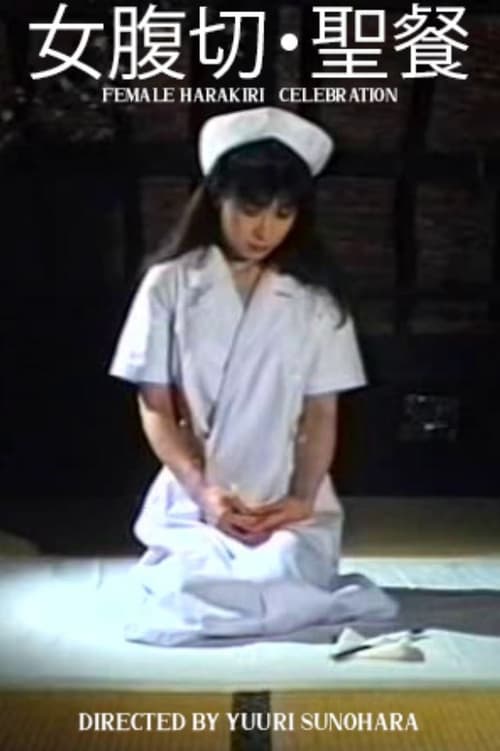
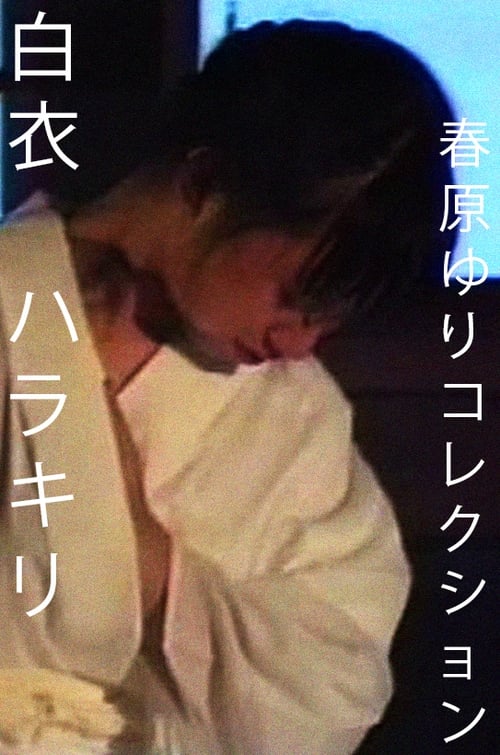
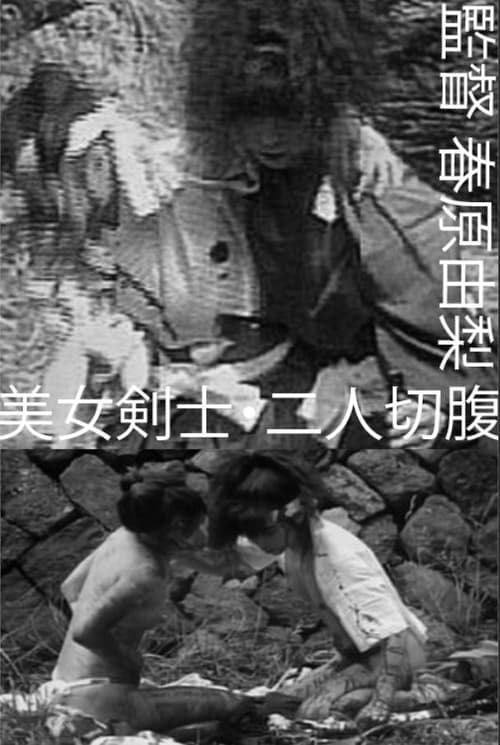
A woman in a nurse’s outfit sits in a dark room. She kneels on a mat and looks over a knife, touching it with her fingers and examining it. She runs the knife over her stocking clad legs and contemplates suicide. She plunges the blade into her abdominal region and pulls it across.
1989

1964
1990
2005
1990
1990

1990

1999
No reviews yet. Be the first to share your thoughts on this movie!
Use the rating form above to leave a star rating and optional review.