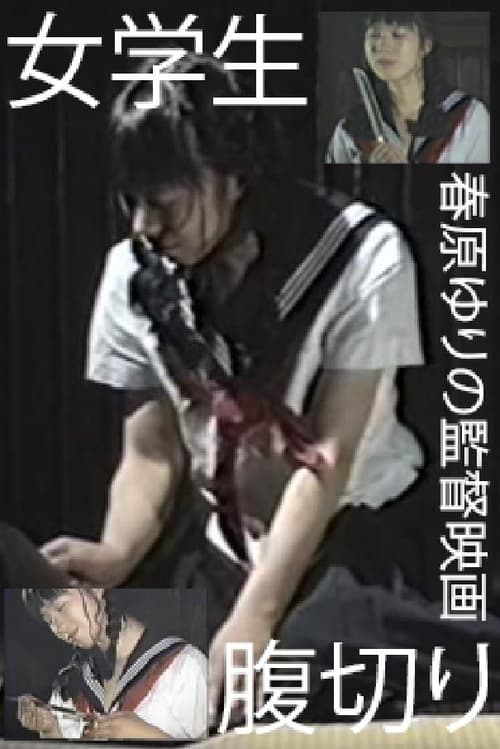
School Girl: Harakiri
1990
No user ratings available yet
Representation score: 5.2 out of 10
Representation Score
Fair
1990
Director
Masami Akita
Runtime
34 minutes
Average Rating
No ratings yetNew Showbiz Analysis
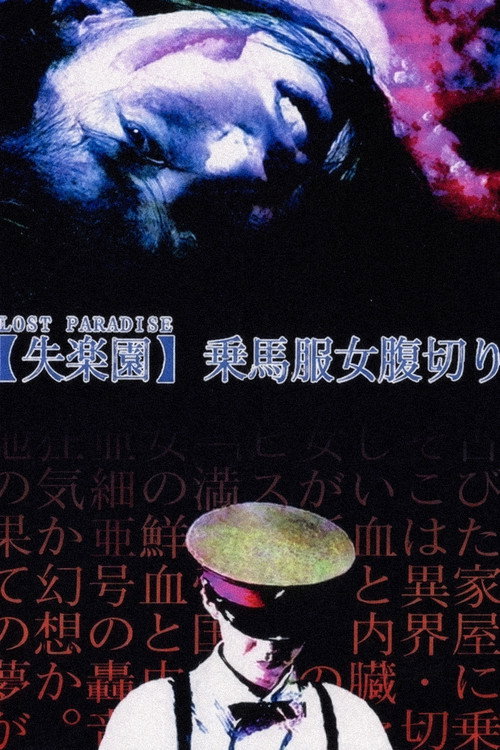
Lost Paradise: Riding Habit Harakiri is a transgressive work that challenges cultural and gendered expectations. By placing a woman at the center of a ritualistic seppuku, the film rejects the cliché of female passivity in favor of extreme, violent ability to act. However, the film remains narrow in its scope, lacking queer representation and addressing no disabilities. Its focus is highly singular, centered on a ritualistic act of death. The film's impact lies in its avant-garde, anti-establishment spirit, using sensory disruption and the deconstruction of social order to create a unique, albeit extreme, cinematic experience.
Category Breakdown
The film does not include any explicit LGBTQ+ characters or non-straight relationships. It centers on a ritualistic act of self-destruction.
The film challenges traditional gender roles by focusing on a female protagonist who performs a ritual suicide, reclaiming an act of ability to act typically associated with male honor.
As a Japanese production, the film provides a localized perspective. It avoids Western-centric horror clichés by emphasizing culturally specific rituals and narratives.
The work deconstructs traditional social orders by using extreme noise and gore to challenge the sanctity of life and social preservation.
There is no evidence regarding the portrayal of physical or neurodivergent disabilities within the film's narrative.
Present on Screen
Limited or Absent
Official Synopsis
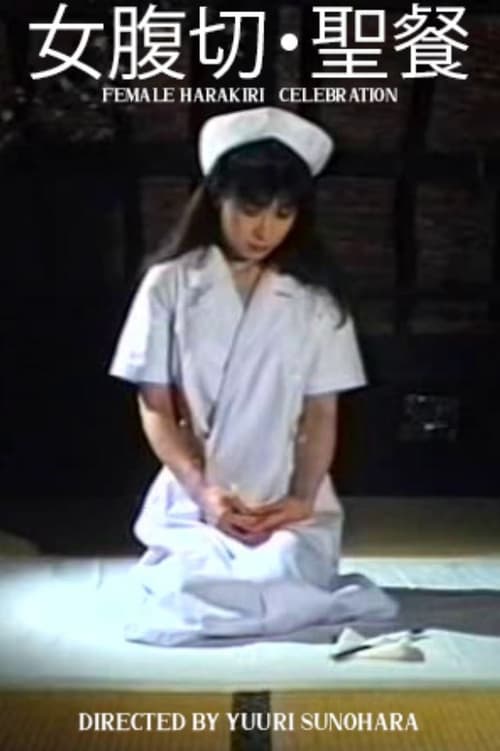
Directed by Masami Akita,who is also one of Japan's leading noise musicians under the name Merzbow. With a soundtrack by the director himself, this intense and ultra-gory seppuku film shows a young woman taking her own life by an act of ritual harakiri.
1990
1964

1989
1968
1990
1990

1999
1990
No reviews yet. Be the first to share your thoughts on this movie!
Use the rating form above to leave a star rating and optional review.