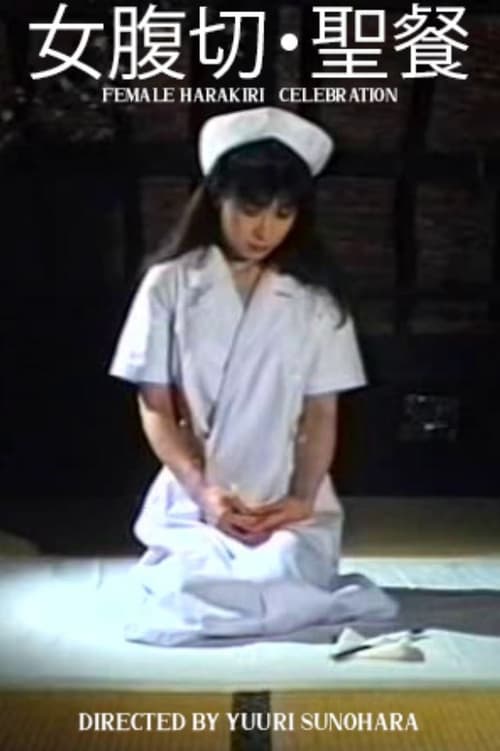
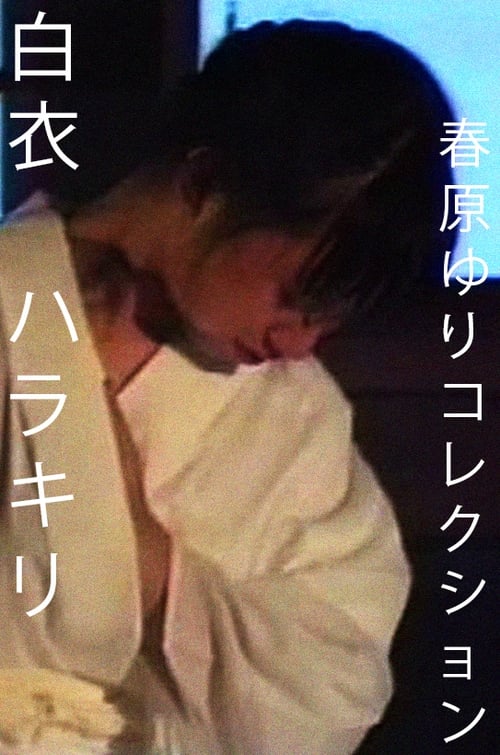
Female Harakiri: Celebration
1990
No user ratings available yet
Representation score: 3.5 out of 10
Representation Score
Fair
1990
Director
Yuuri Sunohara, Akio Fuji
Runtime
42 minutes
Average Rating
No ratings yetNew Showbiz Analysis
The film successfully challenges traditional gender roles by empowering female protagonists to perform high-status, traditionally masculine rituals. However, it lacks explicit markers of diverse identities and focuses on a culturally homogeneous setting, limiting its broader representational scope.
Category Breakdown
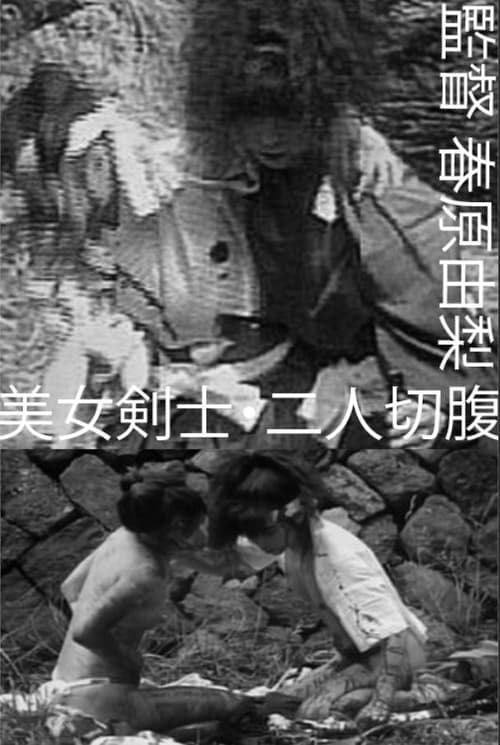
The film includes two women engaging in a synchronized, intimate act of self-destruction. Their bond, though not explicitly defined, hints at a possible queer companionship.
Women are cast as swordswomen and perform seppuku, a traditionally masculine act, thereby subverting the passive damsel stereotype and taking on self-determined roles.
The film stays true to a specific Japanese historical context, reflecting the ethnic homogeneity of its setting without whitewashing or actively diversifying the cast.
By using long swords for ritual suicide, the film questions traditional honor codes, exploring themes of autonomy and nihilism through stylized traditions.
There is no evidence regarding the portrayal of physical or neurodivergent disabilities within the available narrative data.
Present on Screen
Limited or Absent
Official Synopsis
The only difference with this one as opposed to the other "entries" - is this one has 2 girls committing suicide, and they are outdoors and wearing samurai style outfits as opposed to Japanese robes or some other "costume". Also, they stab themselves with samurai swords instead of the typical shorter ritual knives...
1990
1964
1990
1968
1989
1990
1999
1990
No reviews yet. Be the first to share your thoughts on this movie!
Use the rating form above to leave a star rating and optional review.