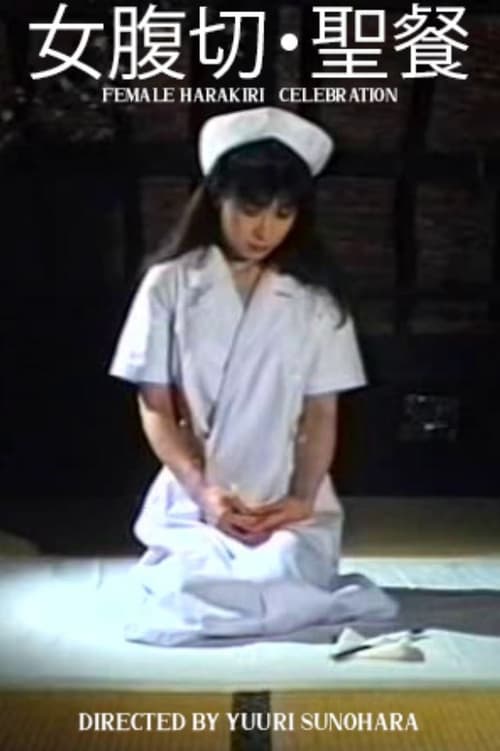
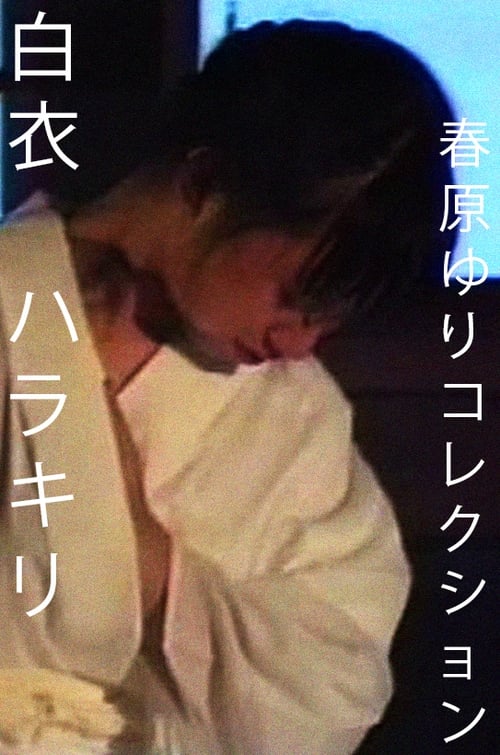
Female Harakiri: Celebration
1990
No user ratings available yet
Representation score: 3.5 out of 10
Representation Score
Limited
1989
Director
Akio Fuji
Runtime
45 minutes
Average Rating
No ratings yetNew Showbiz Analysis
Female Harakiri: Glorious Death is a culturally specific horror film that uses transgressive themes to deconstruct traditional social codes. While it subverts masculine-centric rituals by applying them to women, the film remains rooted in the exploitation genre's reliance on violence and martyrdom. The work lacks multi-layered depth, presenting a homogeneous cast and no visible LGBTQ+ representation. It functions more as a critique of rigid societal structures through the lens of ritualized horror than as a vehicle for systemic social advocacy.
Category Breakdown
The film does not include explicit LGBTQ+ character arcs or non-cisgender identities. It relies on traditional gendered stereotypes typical of 1980s exploitation cinema.
The film shifts the masculine ritual of harakiri to female subjects, disrupting traditional honor codes. However, this focus may reinforce clichés of female suffering and martyrdom.
The production features a culturally homogeneous Japanese cast. It offers authentic Japanese identity but does not blend races or subvert ethnic hierarchies.
By framing seppuku within a horror context, the film deconstructs the sanctity of traditional ritual. It critiques rigid societal structures and institutionalized morality through death.
There is no evidence regarding the depiction of physical or neurodivergent disabilities in this work.
Present on Screen
Limited or Absent
Official Synopsis
Part of the Zankoku-bi: Onna harakiri 01 series.
1990
1964
1990
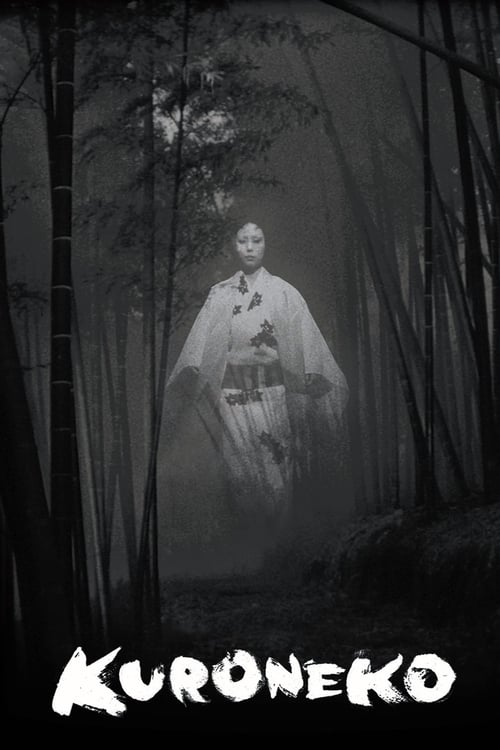
1968
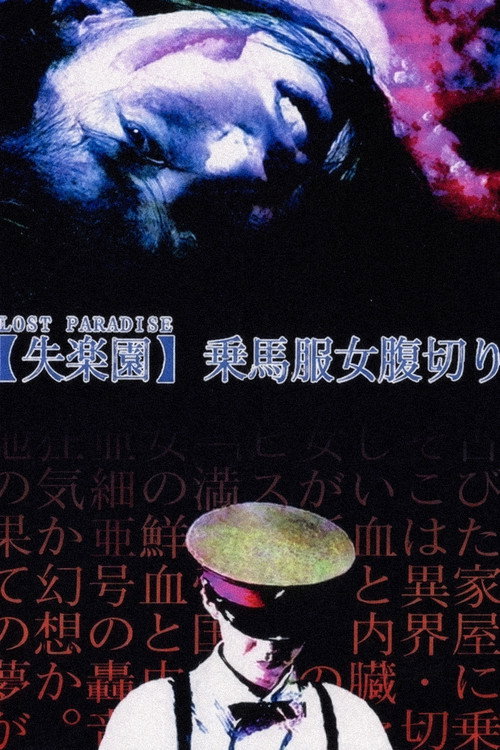
1990
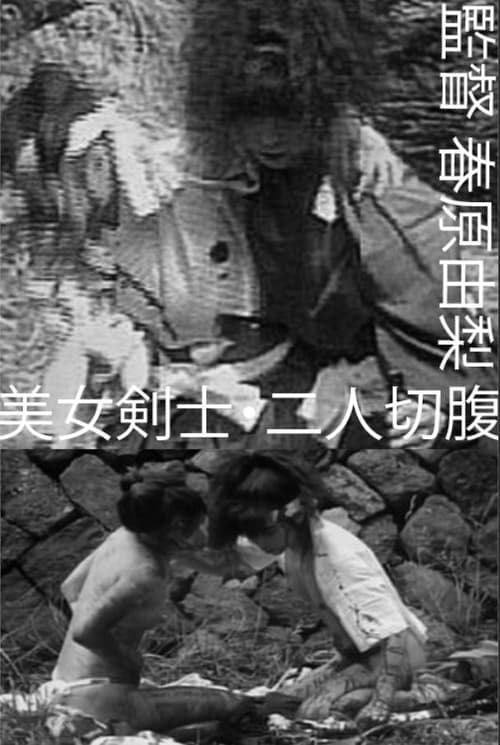
1990
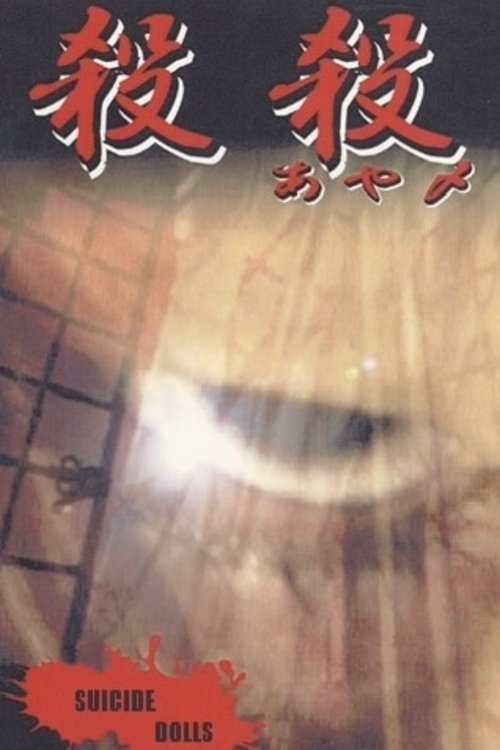
1999
1990
No reviews yet. Be the first to share your thoughts on this movie!
Use the rating form above to leave a star rating and optional review.