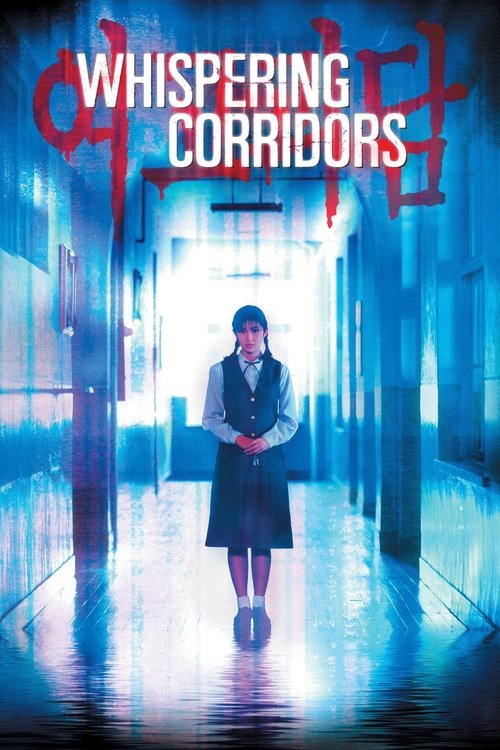
Whispering Corridors
1998
No user ratings available yet
Representation score: 9.1 out of 10
Representation Score
Fair
1999
RDirector
Min Kyu-dong, Kim Tae-yong
Runtime
98 minutes
Average Rating
No ratings yetNew Showbiz Analysis
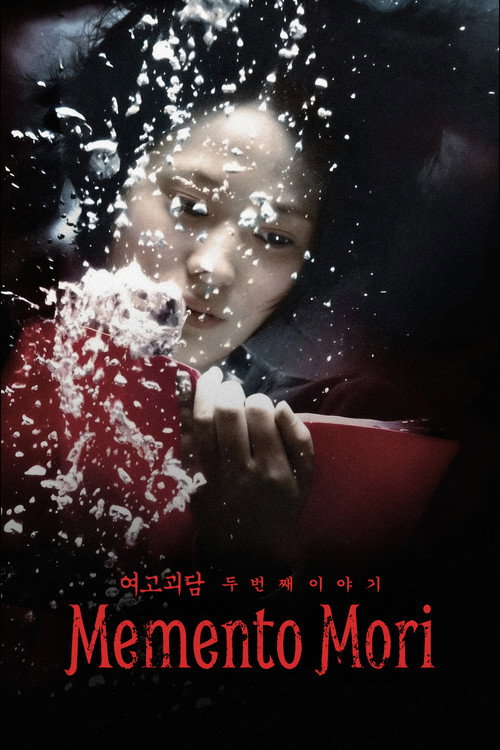
Memento Mori stands out as a groundbreaking work that challenges horror conventions to explore identity and memory. By placing a lesbian relationship and the discovery of a hidden diary at the heart of the narrative, the film elevates queer identity to a central theme. The film excels in its focus on the internal lives and emotional depth of women, moving away from traditional patriarchal structures. It also offers a nuanced exploration of how systemic exclusion impacts individuals. Despite maintaining a culturally specific demographic that lacks ethnic diversity, the film remains progressive through its critique of rigid educational hierarchies and sophisticated handling of underrepresented perspectives.
Category Breakdown
The film focuses on a lesbian relationship as its emotional core, rather than a subplot. It uses a ghost story framework to explore the trauma of social rejection and underrepresented desires.
The narrative emphasizes the internal lives and emotional complexity of women, disrupting traditional gender hierarchies. It prioritizes women's ability to drive the story and interpersonal connections over typical masculine-driven plot structures.
The film maintains a homogenous demographic consistent with its specific South Korean setting. While it lacks ethnic diversity, this reflects a commitment to localized realism.
The story critiques the restrictive nature of traditional social institutions and communal conformity. It portrays vengeance as a reaction to systemic exclusion and societal pressures.
There is no evidence of visible or invisible disabilities playing a central role or defining character traits in the film.
Present on Screen
Limited or Absent
Official Synopsis
The ghost of a lesbian high-school girl takes revenge on the people who used to bully her. And another young girl finds her old diary detailing her love and rejection when she was alive.
1998
2007

1999

2022
2007
2019
No reviews yet. Be the first to share your thoughts on this movie!
Use the rating form above to leave a star rating and optional review.