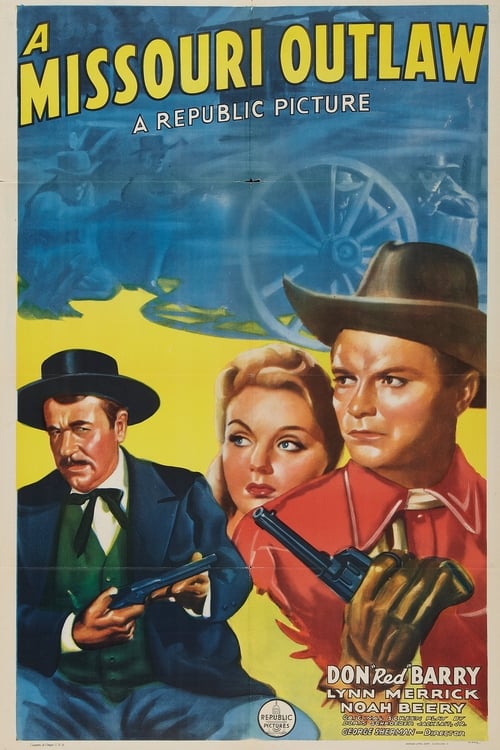
A Missouri Outlaw
1941
No user ratings available yet
Diversity score: 1.4 out of 10
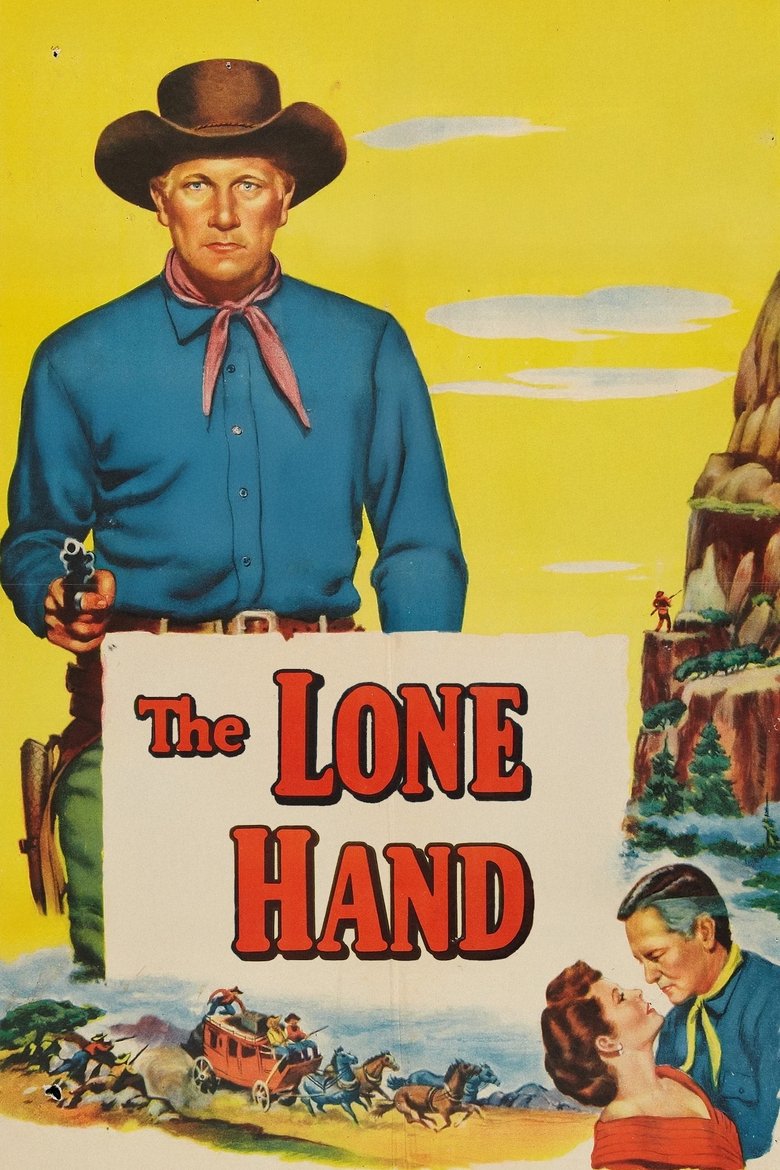
1953
NRDirector
George Sherman
Runtime
80 minutes
Average Rating
No ratings yetSynopsis
Zachary Hallock and his son Joshua are farmers who live in a frontier town that suffers the assaults of a band of outlaws. After the murder of a Pinkerton's detective, the farmers decide to unite against the bandits, but Hallock rejects the proposal. To the astonishment of his son and his fiancée, Hallock decides to join the outlaws.
Overall Score
Limited
Category Breakdown
LGBTQ+ Representation
The film focuses on traditional familial structures involving a father, son, and fiancée. There is no evidence of non-heteronormative identities or narratives that critique heteronormativity.
Gender Representation
Narrative agency is centered on male-driven conflict. The female character appears only as a fiancée, suggesting a traditional role where her presence is defined by her relationship to the men.
Racial & Ethnic Diversity
The story centers on a specific family unit within a frontier town. It appears to rely on the homogeneous casting typical of mid-century Western productions.
Religious & Cultural Diversity
The film engages with standard frontier morality and the tension between community stability and outlawry. It does not appear to challenge Western institutions or promote alternative social sentiments.
Disability Representation
There is no mention of characters with visible or invisible disabilities within the narrative.
Strengths
Areas for Improvement
AI Analysis
The Lone Hand is a conventional mid-century Western that prioritizes genre tropes over social subversion. The plot revolves around a moral shift in the protagonist, Zachary Hallock, as he moves from a community defender to an individualist aligned with outlaws. While the film introduces moral complexity through Hallock's unexpected choices, it remains firmly rooted in established social hierarchies. The narrative structure emphasizes traditional masculine agency and frontier justice rather than intersectional or diverse perspectives. Ultimately, the film serves as a period-typical example of the Western genre, focusing on familial and communal conflicts within a largely homogeneous social framework.
1941
1941
1939
1954
1957
1962
1952
1923
1963

1960
1920
1957
No reviews yet. Be the first to share your thoughts on this movie!
Use the rating form above to leave a star rating and optional review.