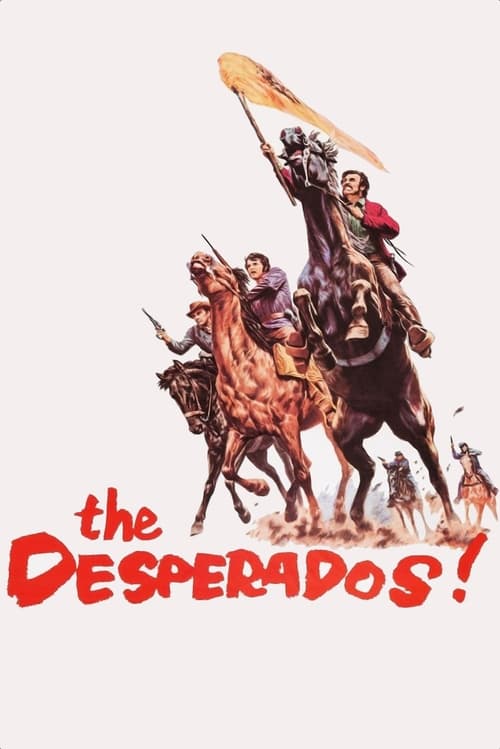
The Desperados
1969
No user ratings available yet
Diversity score: 1.3 out of 10
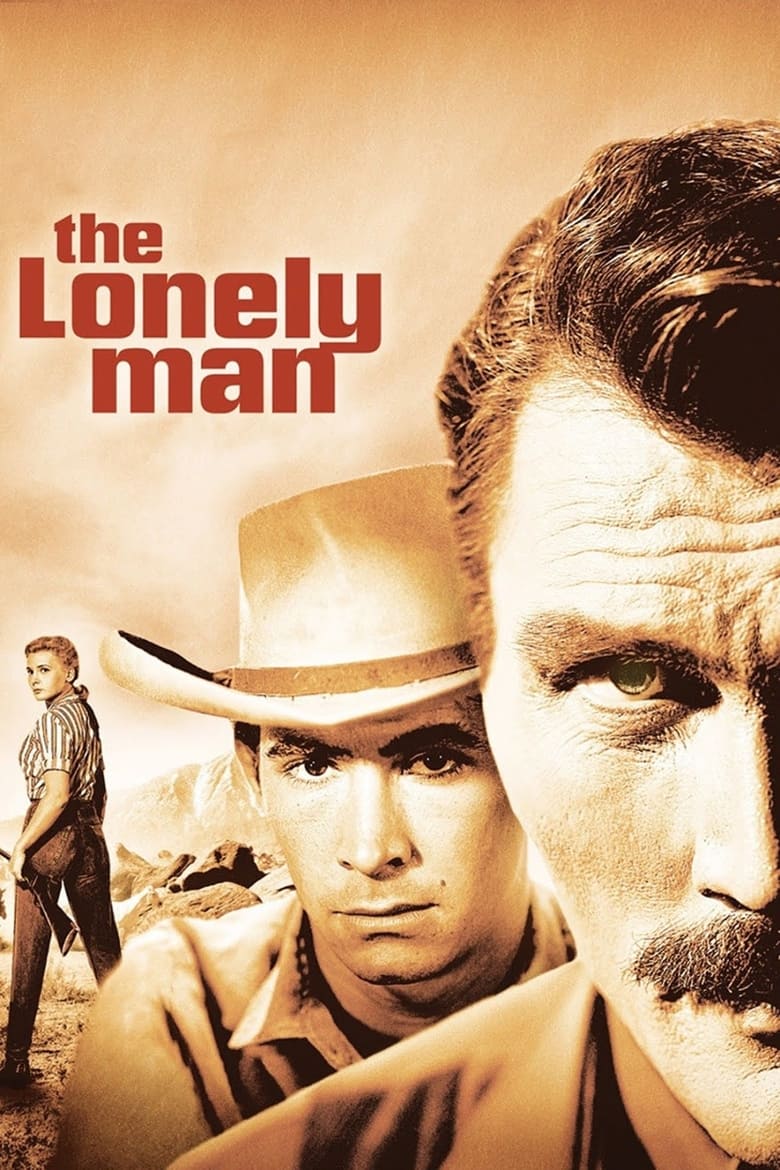
1957
NRDirector
Henry Levin
Runtime
88 minutes
Average Rating
No ratings yetSynopsis
Aging gunslinger Jacob Wade hopes to settle down with his estranged son, but his old enemies have other plans for him. Gunslinger Jacob Wade finds his long-abandoned son Riley, now a young man who hates his father but has nowhere else to go. Hoping to settle down, Jacob finds no town will have him. They end at Monolith, the ranch of Jacob's former girlfriend Ada, to whom he had no intention of returning. A mustang hunt finds Riley himself attracted to the shapely Ada...and Jacob having trouble with his eyesight. And his visions of a quiet life are doomed by the re-appearance of enemies from his past...
Overall Score
Minimal
Category Breakdown
LGBTQ+ Representation
The film contains no discernible evidence of non-cisnormative identities. Interpersonal dynamics center entirely on traditional romantic and familial ties.
Gender Representation
Gender dynamics reflect standard mid-century hierarchies. While Ada provides a focal point for domesticity, the narrative remains centered on male experiences of redemption and fatherhood.
Racial & Ethnic Diversity
The film utilizes a conventional, homogeneous casting approach typical of 1950s Westerns. There is no indication of a diverse cast or intentional blending of racial identities.
Religious & Cultural Diversity
The story operates within a framework of traditional Western values and family lineage. It reinforces classic tropes rather than engaging in critiques of social or religious institutions.
Disability Representation
The protagonist's declining eyesight functions as a trope of aging and vulnerability. There is no evidence of characters with disabilities possessing significant agency or empowerment.
Strengths
Areas for Improvement
AI Analysis
The Lonely Man is a standard mid-century Western that prioritizes traditional narrative arcs over social complexity. It adheres strictly to the genre conventions of its era, focusing on themes of legacy and familial estrangement through a narrow lens. Representation is minimal across all categories. The film reinforces established social hierarchies and heteronormative structures, offering little disruption to the status quo or intersectional depth. While the protagonist's physical decline is a plot point, it serves the character's vulnerability rather than providing a nuanced look at disability. The film remains a product of its historical context.
1969
1957
1954
1953
1934
1958
1947
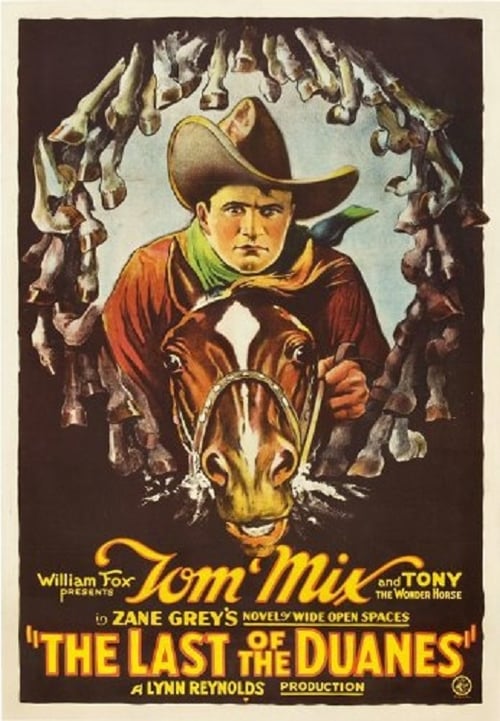
1924
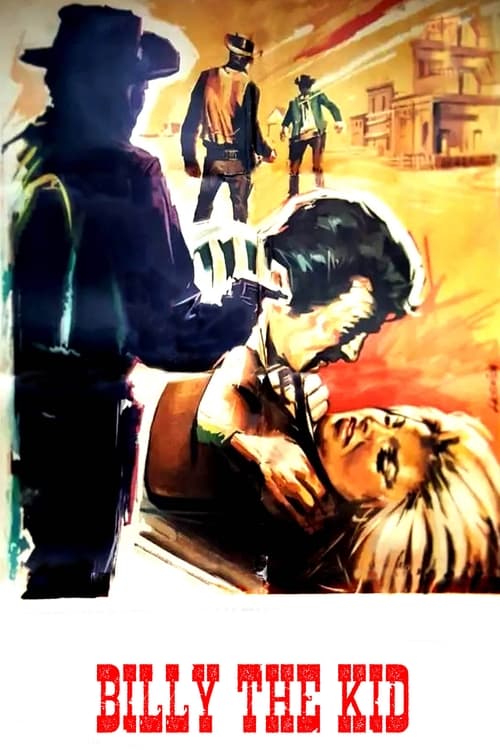
1964

1956
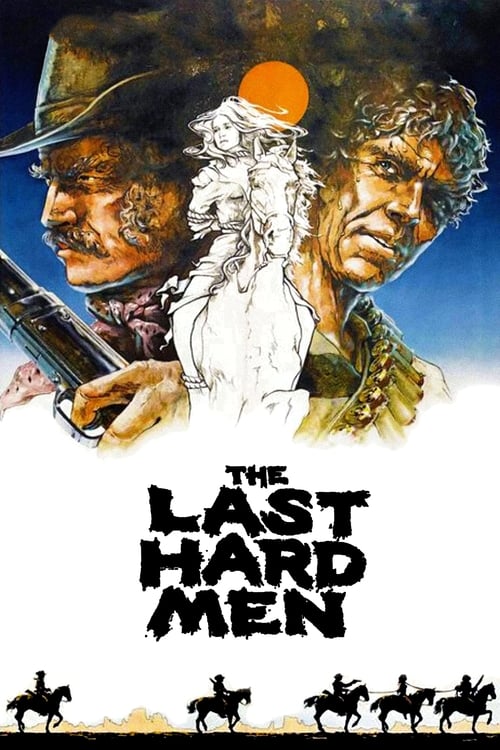
1976
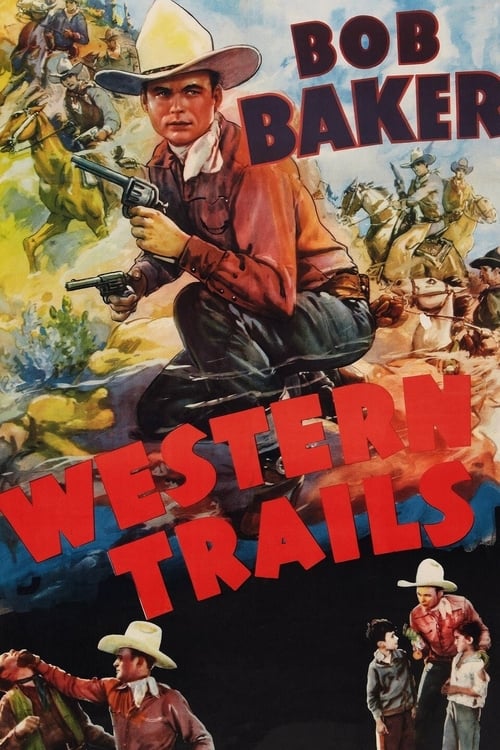
1938
No reviews yet. Be the first to share your thoughts on this movie!
Use the rating form above to leave a star rating and optional review.