Gun Duel in Durango
1957
No user ratings available yet
Diversity score: 1.4 out of 10
1957
NRDirector
Sidney Salkow
Runtime
73 minutes
Average Rating
No ratings yetSynopsis
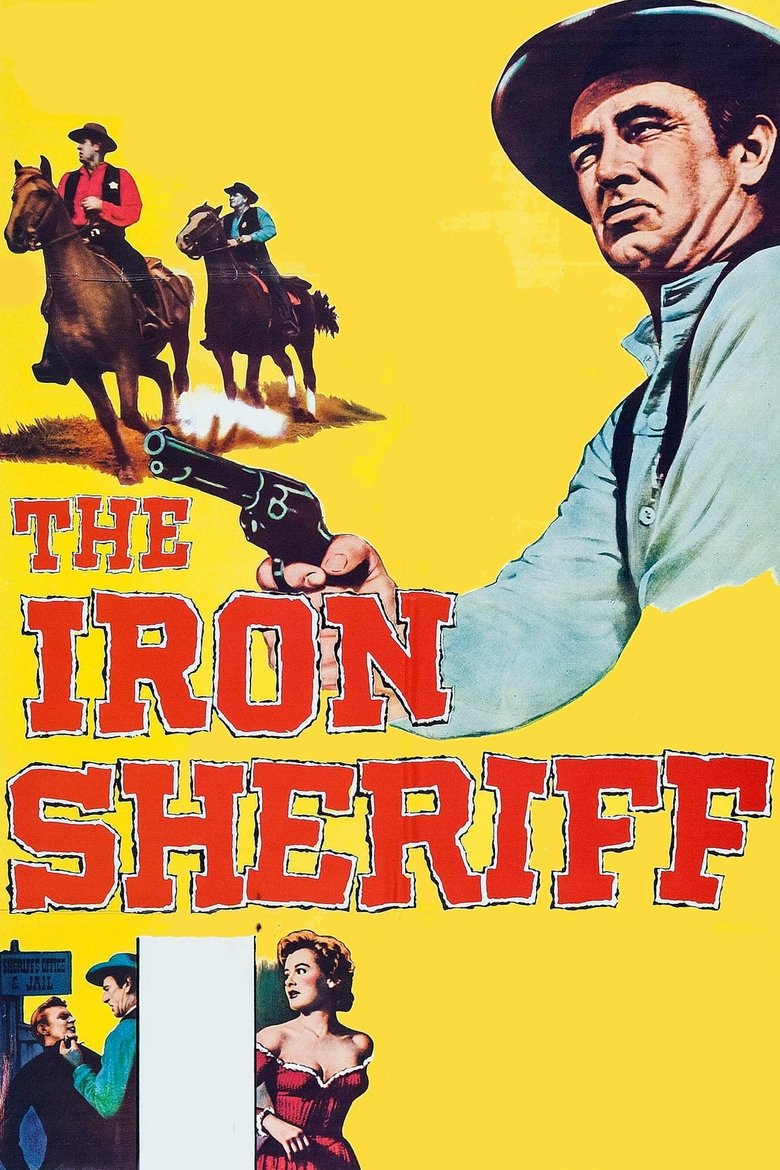
Frontier peacekeeper Sheriff Galt faces a crisis of conscience in The Iron Sheriff. In the aftermath of a robbery-murder, Galt follows the trail of evidence directly to his own son, Benjie. Sworn to uphold the law at all costs, Galt is grimly determined to see that Benjie will receive a fair trial without any coercion on his part. But the townsfolk have already decided that the sheriff will try to spring the boy, and a lynch-mob mentality slows festers its way through the community. As the trial proceeds, it becomes obvious that Benjie is going to hang for his alleged crime, but there's still one or two surprises in store.
Overall Score
Limited
Category Breakdown
LGBTQ+ Representation
The film lacks any indication of LGBTQ+ characters or non-cisnormative identities. The narrative focus remains strictly on the patriarchal bond between a father and his son.
Gender Representation
The story centers on male figures, specifically Sheriff Galt and his son, Benjie. It reinforces traditional masculine roles of the stoic lawman and the burdened patriarch without female agency.
Racial & Ethnic Diversity
The narrative does not explicitly detail the town's racial composition. It likely adheres to the era's standard demographic norms, focusing on a homogeneous cast typical of 1957 Westerns.
Religious & Cultural Diversity
The film explores the tension between individual morality and communal law. While it critiques mob mentality, the focus remains on preserving established Western legal institutions.
Disability Representation
There is no mention of characters with visible or invisible disabilities. The plot focuses entirely on the legal and familial conflict.
Strengths
Areas for Improvement
AI Analysis
The Iron Sheriff is a conventional mid-century Western that prioritizes a singular moral struggle over social complexity. The narrative architecture centers on the tension between duty and blood, utilizing standard genre tropes to explore justice and communal morality. Because the film operates within the established social frameworks of 1950s cinema, it lacks intersectional depth. The focus is on individual responsibility and the integrity of traditional legal institutions rather than systemic critiques or diverse representation. Ultimately, the film serves as a character study of a patriarch caught between law and family, offering little in the way of demographic variety or subversion of traditional hierarchies.
1957
1957
1953
1948
1964

1955
1956
1973

1960
1971
1933
1951
No reviews yet. Be the first to share your thoughts on this movie!
Use the rating form above to leave a star rating and optional review.