Maisie Was a Lady
1941
No user ratings available yet
Representation score: 2.0 out of 10
Representation Score
Limited
1946
ApprovedDirector
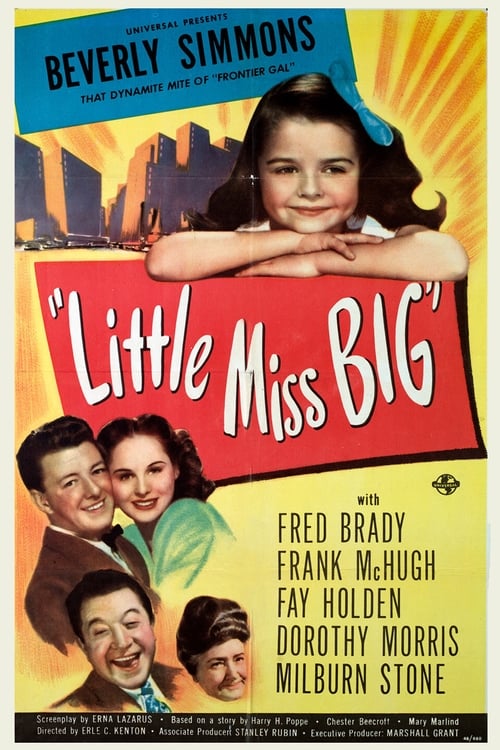
Erle C. Kenton
Runtime
61 minutes
Average Rating
No ratings yetNew Showbiz Analysis
Little Miss Big is a product of the 1940s studio system, prioritizing conventional social hierarchies and domestic comedy. The narrative structure focuses on a class-based 'fish-out-of-water' cliché rather than exploring systemic identity issues. The film lacks meaningful representation for underrepresented groups, adhering to the era's standard social norms. While women play key roles, they operate within a traditional patriarchal framework. Ultimately, the film functions as a standard mid-century comedy that reinforces existing social structures rather than challenging them.
Category Breakdown
The film does not include any characters with non-straight or non-cisgender identities. It seems to follow the strict social norms and censorship rules of the 1940s.
The story centers around a female protagonist and her two daughters. However, it relies on traditional patriarchal structures. The main character seeks safety within a male-led household.
The narrative lacks diverse casting and does not explore multiple aspects of identity. It likely reflects the homogeneous, white-focused casting common in mid-century studio comedies.
The plot uses class differences as a source of humor rather than criticizing social institutions. It upholds traditional social orders and emphasizes the stability of the nuclear family.
The plot involves a character escaping from a mental institution. This suggests that mental health issues might be used as a comedic device or a simple plot element.
Present on Screen
Limited or Absent
Official Synopsis
A wealthy eccentric women escapes from a mental institution and finds refuge with a financially strapped barber and his two daughters
1941
1942
1945
1939
1941
1958
1939

1946
No reviews yet. Be the first to share your thoughts on this movie!
Use the rating form above to leave a star rating and optional review.