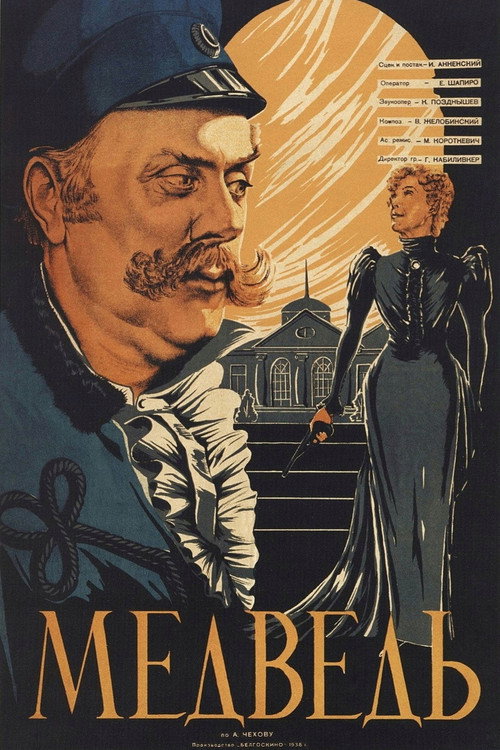
The Bear
1938
No user ratings available yet
Diversity score: 3.1 out of 10

1938
NRDirector
Walter Lang
Runtime
80 minutes
Average Rating
No ratings yetSynopsis
A Butler gets elected to the Hungarian parliament where he opposes his master's government.
Overall Score
Limited
Category Breakdown
LGBTQ+ Representation
The film follows conventional romantic and social structures typical of 1930s studio comedies. There is no evidence of non-heteronormative identities or narratives that critique heteronormativity.
Gender Representation
The narrative uses a fish-out-of-water trope that may subvert traditional hierarchies. However, it remains unclear if women are granted true agency or remain confined to traditional romantic roles.
Racial & Ethnic Diversity
The film focuses on European aristocracy and likely reflects the standard casting practices of 1938. There is no evidence of a non-Anglo-Saxon majority cast.
Religious & Cultural Diversity
The plot introduces class-based friction by placing a working-class character in the political sphere. This provides a degree of social commentary regarding institutional power.
Disability Representation
There is no evidence of characters with visible or invisible disabilities included in the film.
Strengths
Areas for Improvement
AI Analysis
The film operates as a traditional studio-era comedy that adheres to the social hierarchies of the late 1930s. While the central premise of a butler entering parliament offers a minor disruption of class-based expectations, the work lacks intersectional complexity. The narrative focuses on European aristocracy and established Western social strata. This narrow focus limits the film's engagement with diverse identities or systemic critiques. Ultimately, the film serves as a lighthearted social comedy rather than a sustained critique of oppression, aligning with the era's standard narrative structures.
1938

1932

1935

1933

1937
1932

1960
1929

1936
1942
1930

1939
No reviews yet. Be the first to share your thoughts on this movie!
Use the rating form above to leave a star rating and optional review.