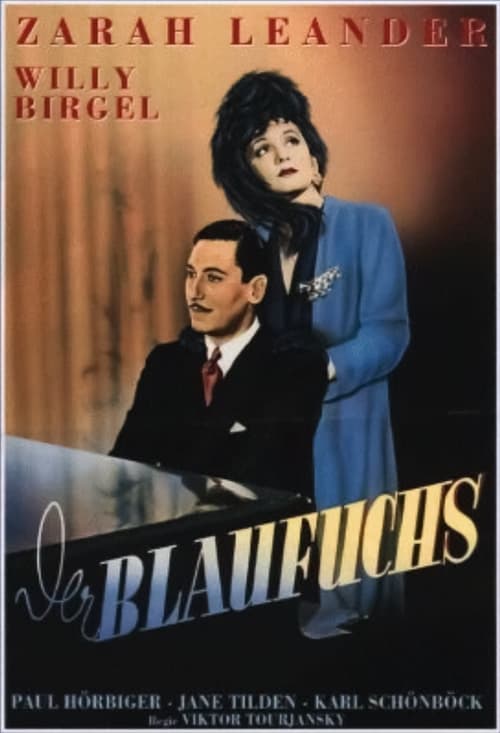
Man Wanted
1932
No user ratings available yet
Diversity score: 2.8 out of 10
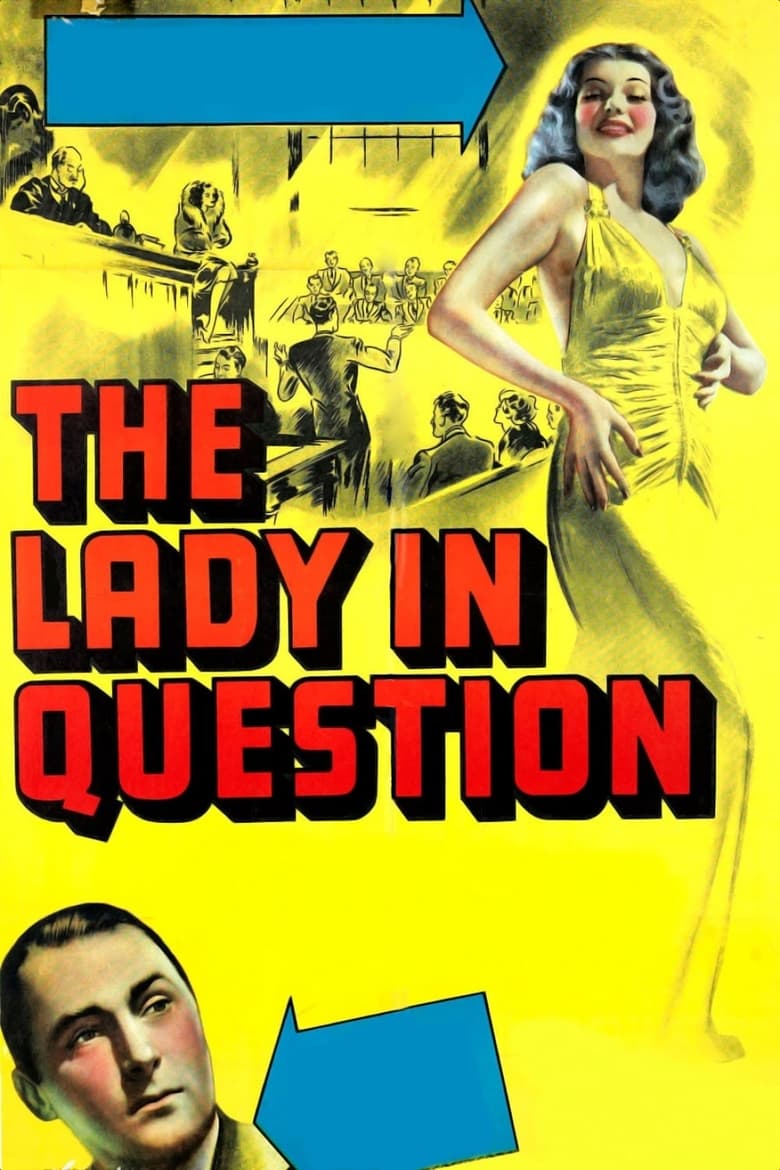
1940
NRDirector
Charles Vidor
Runtime
80 minutes
Average Rating
No ratings yetSynopsis
When a jury member takes in the defendant he couldn't convict, she has a bad influence on his son.
Overall Score
Limited
Category Breakdown
LGBTQ+ Representation
The film lacks LGBTQ+ characters or explorations of queer intimacy. Its romantic structure is strictly centered on heteronormative themes of marriage and infidelity.
Gender Representation
Hedy Lamarr’s protagonist provides meaningful agency by navigating the tension between societal expectations and personal autonomy. The plot centers on her romantic choices and complex desires.
Racial & Ethnic Diversity
The cast is predominantly white and European, reflecting the production standards of 1940. The high-society setting lacks racial blending or non-Anglo-Saxon perspectives.
Religious & Cultural Diversity
The narrative explores the moral complexities of infidelity, subtly challenging traditional marriage. However, it avoids systemic critiques of religion or Western institutions.
Disability Representation
There is no discernible representation of physical, sensory, or neurodivergent identities within the primary character arcs or the supporting cast.
Strengths
Areas for Improvement
AI Analysis
The film is a period-typical romantic drama that prioritizes classical storytelling and high-society aesthetics. While it offers a moderate level of agency to its female lead, the narrative remains largely traditional. The production adheres to the standard Hollywood studio system of the era, focusing on melodrama rather than social critique. It lacks the intersectional complexity or systemic disruption found in more progressive works. Ultimately, the film functions within a homogeneous social framework, prioritizing individual interpersonal morality over broader socio-political themes.
No reviews yet. Be the first to share your thoughts on this movie!
Use the rating form above to leave a star rating and optional review.