
Tribute to the Teachers
1977
No user ratings available yet
Representation score: 3.9 out of 10
Representation Score
Fair
1979
Director
Abbas Kiarostami
Runtime
53 minutes
Average Rating
No ratings yetNew Showbiz Analysis
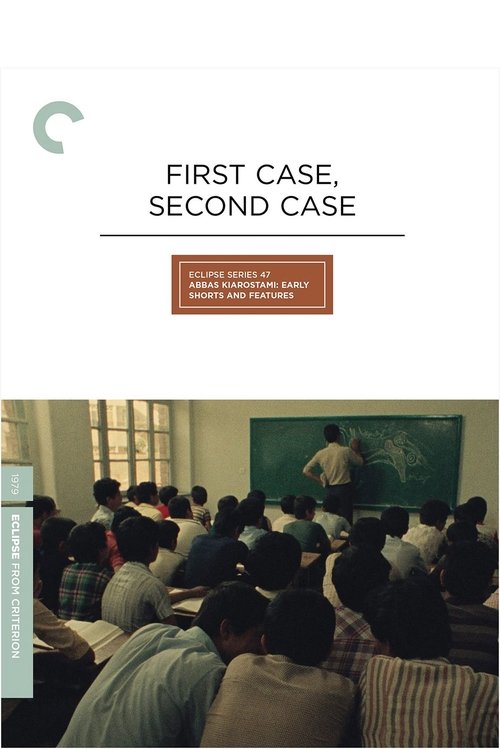
Abbas Kiarostami’s documentary uses a minimalist classroom setting to explore systemic power dynamics. By focusing on a teacher's disciplinary actions, the film critiques institutional authority and collective punishment. The film provides a non-Western perspective that challenges traditional narrative conventions. Its strength lies in its structural examination of justice and morality rather than explicit demographic representation. However, the film lacks specific markers for LGBTQ+ or disability representation. The absence of detailed character data regarding gendered interactions also limits a higher assessment of social subversion.
Category Breakdown
The film does not explicitly include LGBTQ+ characters or non-cisgender identities. It focuses on the relationship between a teacher and his students.
The film centers on classroom dynamics and the power structure between teachers and students. While specific gender interactions are not detailed, the tension revolves around the authority hierarchy.
As an Iranian production, the film presents a non-Western perspective. It challenges Western-centric storytelling by focusing on local social structures.
The narrative critiques institutional authority using a metaphor for systemic injustice. It explores the tension between personal truth and institutional dogma.
There is no evidence of characters with visible or invisible disabilities in the film.
Present on Screen
Limited or Absent
Official Synopsis
A documentary about a teacher who sends a group of pupils out of the classroom when one of them does not own up to talking behind the master's back.
1977

2002

1989

1987

1984

1983
1967

2006
No reviews yet. Be the first to share your thoughts on this movie!
Use the rating form above to leave a star rating and optional review.