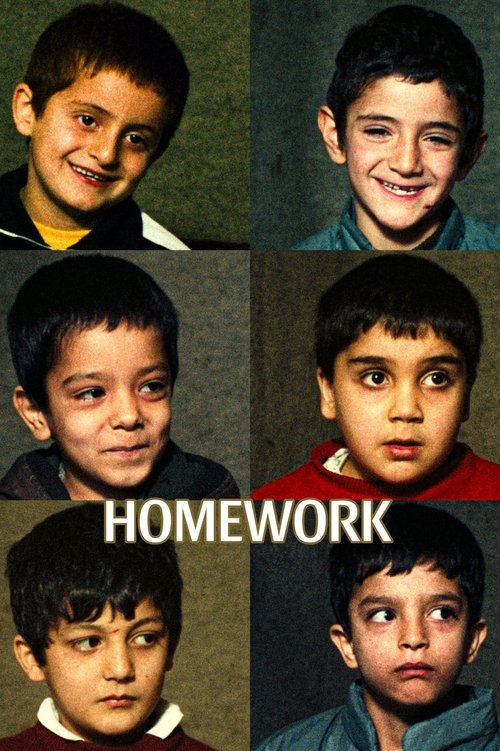
Homework
1989
No user ratings available yet
Representation score: 3.5 out of 10
Representation Score
Fair
1984
Director
Abbas Kiarostami
Runtime
85 minutes
Average Rating
No ratings yetNew Showbiz Analysis
Abbas Kiarostami’s documentary provides a vital counter-narrative to Western cinematic dominance. By focusing on a rural Iranian school, the film offers profound ethnic authenticity and a non-Western perspective on childhood and discipline. However, the film remains confined to traditional social structures. Its focus on a male-only educational space and the absence of LGBTQ+ or explicit disability-centric narratives limits its broader representational scope. Ultimately, the work succeeds as a humanist study of communal morality. It replaces individualistic drama with a localized, ethnographic look at social cohesion and developmental persistence.
Category Breakdown
The film focuses on a traditional Iranian school setting and does not include any LGBTQ+ characters or narratives about non-assuming gender matches what was assigned at birth identities.
The story centers on a male-dominated educational environment, focusing almost exclusively on the interactions between young boys and their male superintendent.
The film breaks away from Western-centric storytelling by featuring a rural Iranian cast. It uses local, non-professional actors to provide a genuine portrayal of Persian identity.
The film presents a localized sense of morality centered on fellowship and righteousness. Its simple structure challenges the dramatic conventions of Western commercial cinema.
The film addresses cognitive struggles through the lens of literacy. It treats these developmental challenges with dignity rather than mockery.
Present on Screen
Limited or Absent
Official Synopsis
A documentary film about a boys school in Iran. The film shows numerous, funny and moving interviews of many different young pupils of this school summoned by their superintendent for questions of discipline. The man is not severe, but clever and fair. He teaches loyalty, fellowship and righteousness to these boys. Besides these interviews, we see scenes of this school’s quotidian life.
1989

2002

1977

2010
1979
2016
1969
1954
No reviews yet. Be the first to share your thoughts on this movie!
Use the rating form above to leave a star rating and optional review.