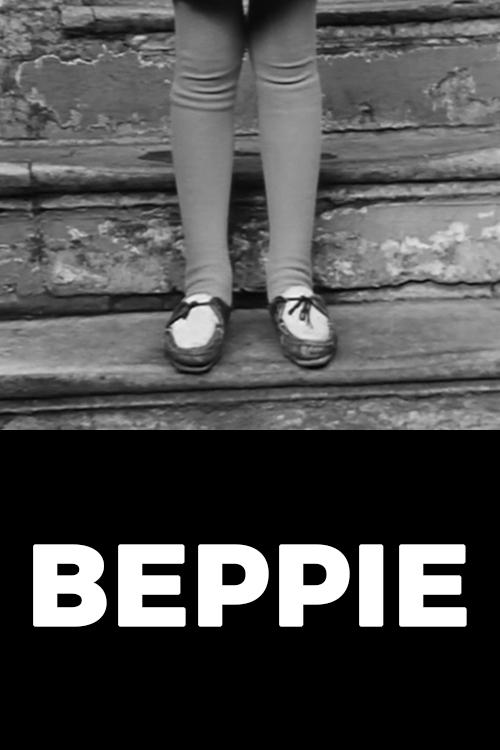
Beppie
1965
No user ratings available yet
Representation score: 4.4 out of 10

Representation Score
Fair
1959
Director
Karel Reisz
Runtime
53 minutes
Average Rating
No ratings yetNew Showbiz Analysis
Karel Reisz’s documentary serves as a seminal example of British New Wave social realism. It succeeds by validating the experiences of the working class, providing a necessary counter-narrative to the conservative, institutionalized media of the 1950s. However, the film is constrained by its era. The focus on male-dominated social spaces and the lack of overt identity politics mean that representation of gender and LGBTQ+ identities remains limited or purely observational. Ultimately, the work's strength lies in its sociological honesty. It captures a specific moment of urban transition and class identity, even if it does not explicitly center diverse ethnic or underrepresented groups.
Category Breakdown
The film does not include explicit LGBTQ+ characters or narratives that challenge the assumption that everyone is straight or cisgender. Social and legal constraints of 1959 Britain imply any identity expression is implicit.
The narrative focuses on male-dominated peer groups typical of late-1950s youth clubs, reflecting traditional gender hierarchies and possibly limiting the role of female subjects.
The documentary captures post-war London during the demographic shifts of the Windrush generation. While not the central focus, the urban landscape reflects these emerging ethnic diversities.
The film disrupts polished, patriotic depictions of British life by focusing on gritty, working-class realities. It offers a sociological perspective rooted in lived experience rather than state-sanctioned morality.
There is no specific information regarding the depiction of individuals with physical or neurodivergent disabilities within the film's scope.
Present on Screen
Limited or Absent
Official Synopsis
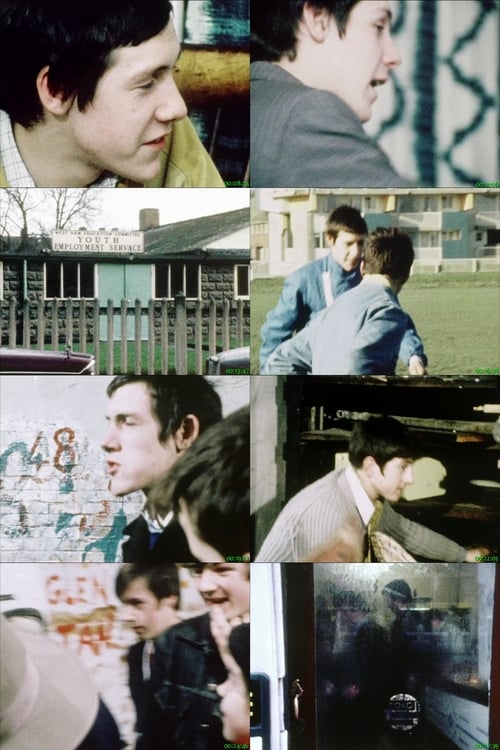
Seminal piece of documentary filmmaking by New Wave director Karel Reisz following the daily activities of members of the Lambeth Youth club in late-1950s London.
1965

1929
1968

1948
1968
1965
1965
1957
No reviews yet. Be the first to share your thoughts on this movie!
Use the rating form above to leave a star rating and optional review.