Symphony of a City
1947
No user ratings available yet
Representation score: 2.6 out of 10
Representation Score
Fair
1961
Director
Ivars Kraulītis
Runtime
24 minutes
Average Rating
No ratings yetNew Showbiz Analysis
White Bells is a poetic documentary that prioritizes aesthetic innovation over traditional identity politics. Its primary contribution to diversity lies in its subversion of narrative norms by centering a child's subjective experience. The film's focus on a young girl's role within a bustling city provides a rare departure from male-centric perspectives of the era. However, the work remains a product of its 1961 Latvian context, lacking explicit LGBTQ+ or multicultural representation. Ultimately, the film's strength is its formalist approach, which favors universal sensory perception over didactic social messaging.
Category Breakdown
The film focuses on a child's sensory journey through an urban landscape. There is no explicit evidence of LGBTQ+ characters or stories about non-straight identities.
The narrative centers on a young female protagonist navigating an adult-dominated city. This shift in perspective disrupts traditional hierarchies, though limited dialogue prevents a deep analysis of gendered power dynamics.
As a 1961 Latvian production, the film reflects its specific geographic context. It does not explicitly feature a diverse cast or address racial diversity.
The film prioritizes subjective experience and sensory truth over rigid morality. It emphasizes individual perception of beauty, rejecting standard ideological messaging for aesthetic autonomy.
The film explores the world through a child's unique sensory perspective. However, there is no evidence of characters navigating physical or neurodivergent disabilities as a central arc.
Present on Screen
Limited or Absent
Official Synopsis
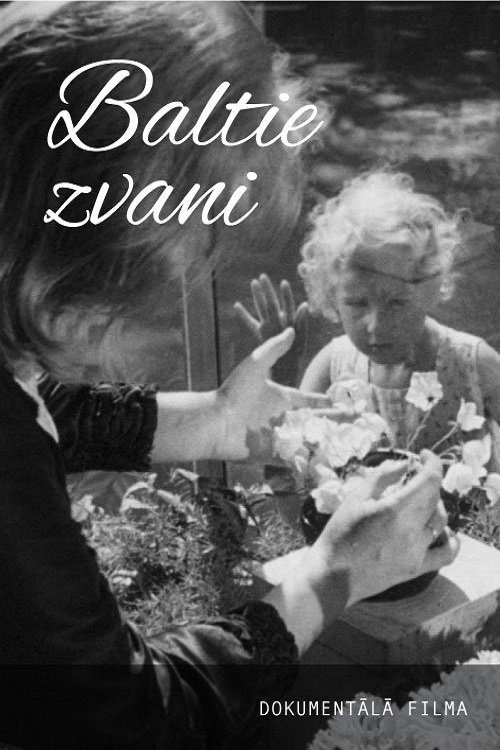
A little girl wanders all alone in the morning, through a bustling city, looking for the white bells she noticed in the window of a florist's shop. This film heralded the birth of a new film language in Latvian cinema. It received awards at the San Francisco and Oberhausen festivals. and was included on the list of the “world’s 100 best short films” by the film critics at the 1995 Clermont-Ferrand film festival.. All three of the film’s authors together with their peers became the creators of the legendary Riga School of Poetic Documentary.
1947
1929
1990

1927
1988
1965
1929
1960
No reviews yet. Be the first to share your thoughts on this movie!
Use the rating form above to leave a star rating and optional review.