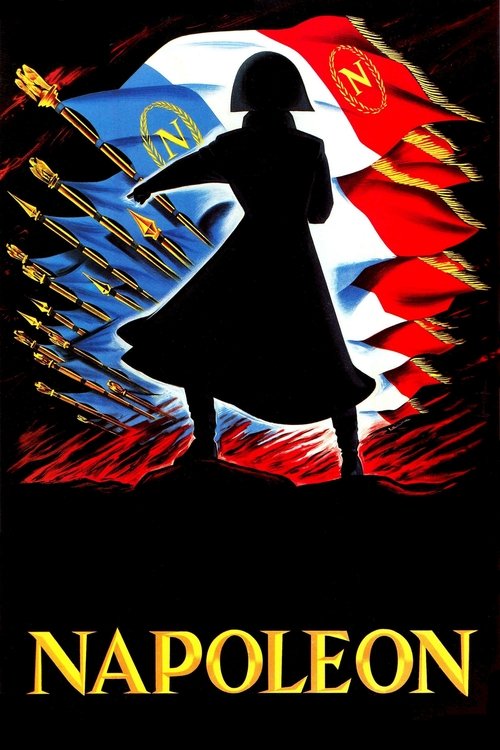
Napoleon
1955
No user ratings available yet
Representation score: 1.0 out of 10
Representation Score
Excellent
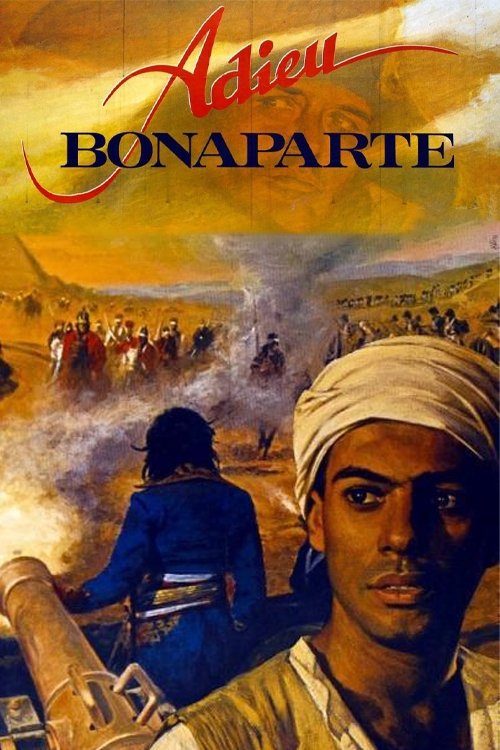
1985
Director
Youssef Chahine
Runtime
115 minutes
Average Rating
No ratings yetNew Showbiz Analysis
Adieu Bonaparte is a sophisticated historical epic that challenges the traditional Eurocentric perspective. By centering the Egyptian viewpoint during Napoleon's occupation of Alexandria, the film successfully reinterprets the 'Great Man' theory of history. The film benefits from Youssef Chahine's dedication to undermining colonial narratives. This approach allows for a nuanced exploration of cultural and racial the way different parts of someone's identity overlap and a critique of Western expansionism that is often overlooked in Napoleonic cinema. While the film excels in cultural and racial representation, it falls short in its depiction of LGBTQ+ identities and disability. These elements are secondary to the broader geopolitical and psychological themes of the era.
Category Breakdown
The film does not explicitly include queer identities or non-straight relationships. It explores strong emotional connections and cross-cultural attraction but does not delve into specific LGBTQ+ politics.
Women are shown with deep psychological and emotional complexity rather than being relegated to background roles. However, the story still reflects the social constraints of the time period.
The film stands out by focusing on the Egyptian experience during European imperialism. It shifts the focus from the colonizers to a local family and poet dealing with the occupation.
The narrative offers a critical counterpoint to Western historical accounts. It dismantles the myth of Napoleonic dominance and critiques Western imperial ambitions through a modern lens.
Napoleon's decline in health serves as a metaphor for the weakening of imperial power. These depictions focus on his character study as a fallen leader rather than highlighting disability as a key part of his identity.
Present on Screen
Limited or Absent
Official Synopsis
This big-budget historical epic from acclaimed Egyptian director Youssef Chahine features a crazed turn by Patrice Chereau as Napoleon Bonaparte. The film, an Egyptian-French co-production, deals with Napoleon's occupation of Alexandria and its effect on a typical Egyptian family. Michel Piccoli leads the cast as a general in Napoleon's army who tentatively befriends a local poet and falls in love with two young Egyptian brothers, reflecting complex themes of colonial desire, affection, and personal connection.
1955
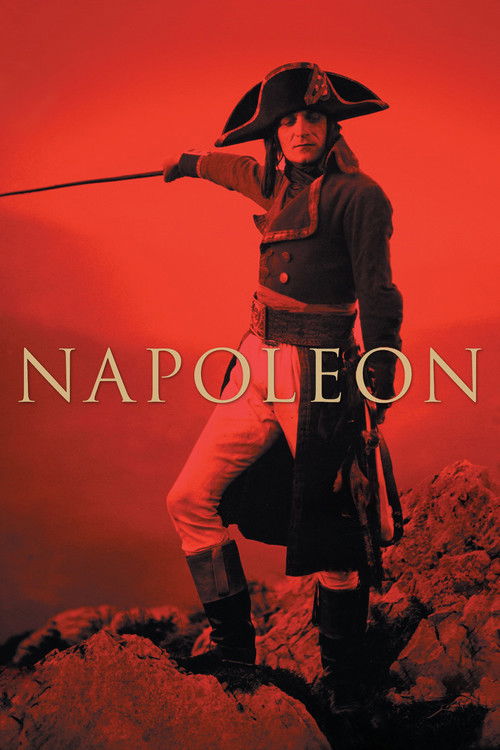
1927
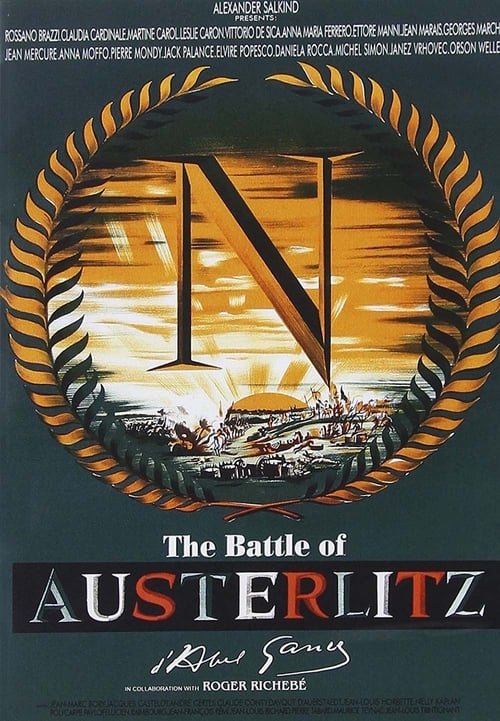
1960

1970

1958
1995
1982

1944
No reviews yet. Be the first to share your thoughts on this movie!
Use the rating form above to leave a star rating and optional review.